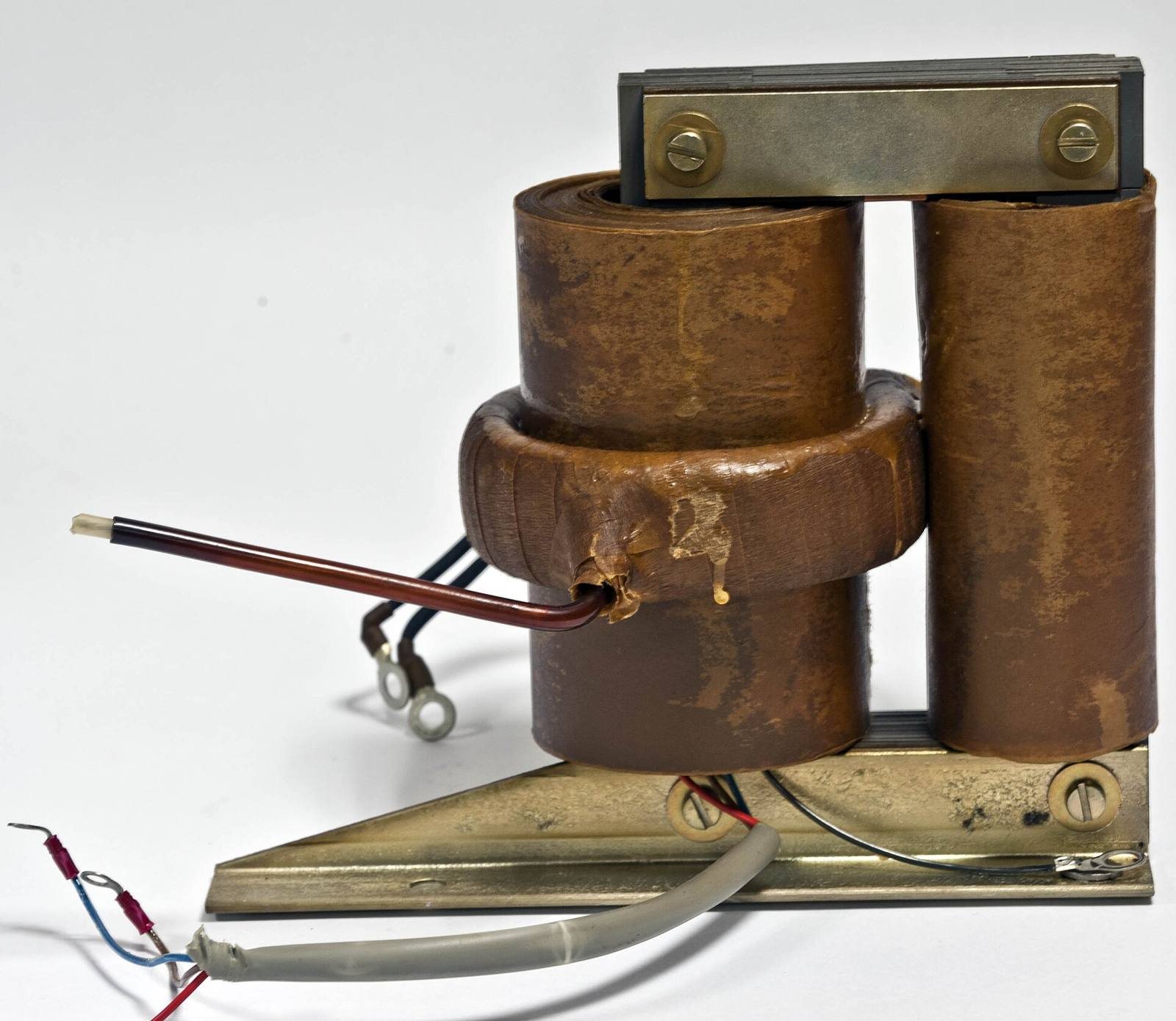
Indoor electrical equipment deserves its own review within Corpus Christi’s broader refinery, port, LNG, and naval aviation environment. A dry-type transformer removed from a support building is not assessed like a large outdoor oil-filled unit. Texas Electrical Transformer Buyers buys surplus and used equipment for cash when you need to sell dry-type transformers in Corpus Christi.
Document the Air-Cooled Transformer
Dry-type construction uses no liquid dielectric, with air-cooled units commonly rated from 15 to 5,000 kVA. These transformers serve indoor commercial, healthcare, campus, and industrial loads. Submit readable nameplate photographs identifying kVA, voltages, phase, frequency, and impedance. If several units are being removed, keep each nameplate paired with its own exterior photographs and condition notes throughout the initial review process.
We also need insulation class, temperature rise, copper or aluminum winding construction, and enclosure type. Those details are more useful than a broad description such as indoor power transformer. Explain whether the equipment supported building services or a specific production load. Include available drawings and manufacturer records when labels are damaged, but identify uncertain specifications rather than filling gaps yourself.
- kVA rating
- Temperature rise
- Winding construction
- Enclosure type
Describe Exposure and Insulation Condition
Indoor placement does not guarantee clean windings or dry storage. Tell us about visible contamination, moisture exposure, unusual overheating, or damaged insulation. In a Gulf Coast setting, document actual corrosion and storage conditions instead of assuming location proves deterioration. Photographs of accessible surfaces can support the review, but energized compartments should never be opened merely to produce a more detailed image.
Provide existing inspection reports and insulation resistance results, along with the date the unit last operated. State whether removal followed a building renovation, capacity change, or equipment problem. A transformer that was functioning at shutdown still needs a condition assessment. We make unit-specific offers based on inspection, considering the electrical ratings, winding condition, completeness, and documented history of the equipment.
- Moisture exposure
- Insulation damage
- Operating history
- Inspection reports
Account for Indoor Handling Restrictions
Equipment rooms can restrict removal even when a transformer is relatively compact. Measure the enclosure, identify its weight, and photograph the path to an exterior loading point. Stairs, narrow doors, raised housekeeping pads, and limited overhead clearance deserve attention before lifting begins. If the unit sits inside a secured facility, explain access requirements that may affect personnel or equipment entry.
Have qualified electrical personnel handle isolation, verification, and conductor disconnection under appropriate site procedures. Tell us whether the transformer is still installed, disconnected in place, or stored on a suitable support. Establish who will handle rigging and loading before finalizing movement. Our role is purchasing surplus equipment, not providing replacement transformers or assuming responsibility for an undefined building electrical removal.
- Room location
- Exit dimensions
- Loading point
- Disconnection status
Common questions
Is oil testing required for a dry-type transformer sale?
No oil sample applies to the transformer’s dielectric system because dry-type units do not use a liquid dielectric. Relevant information includes insulation class, winding condition, temperature rise, and available electrical test records. Send documentation for the specific transformer rather than reports belonging to nearby oil-filled equipment. Any further inspection needs depend on the unit’s construction and history.
Can you review a dry-type transformer stored after a demolition project?
Yes, provide its nameplate, photographs, and a clear account of how it was removed and stored. Identify missing panels, disconnected leads, impact damage, moisture exposure, and any loss of documentation. Do not assume demolition surplus has only material value or that it remains serviceable. Its specifications and inspected condition determine whether we can make a purchase offer.
Reviewed by the Texas Electrical Transformer Buyers buying desk · Last updated November 13, 2026