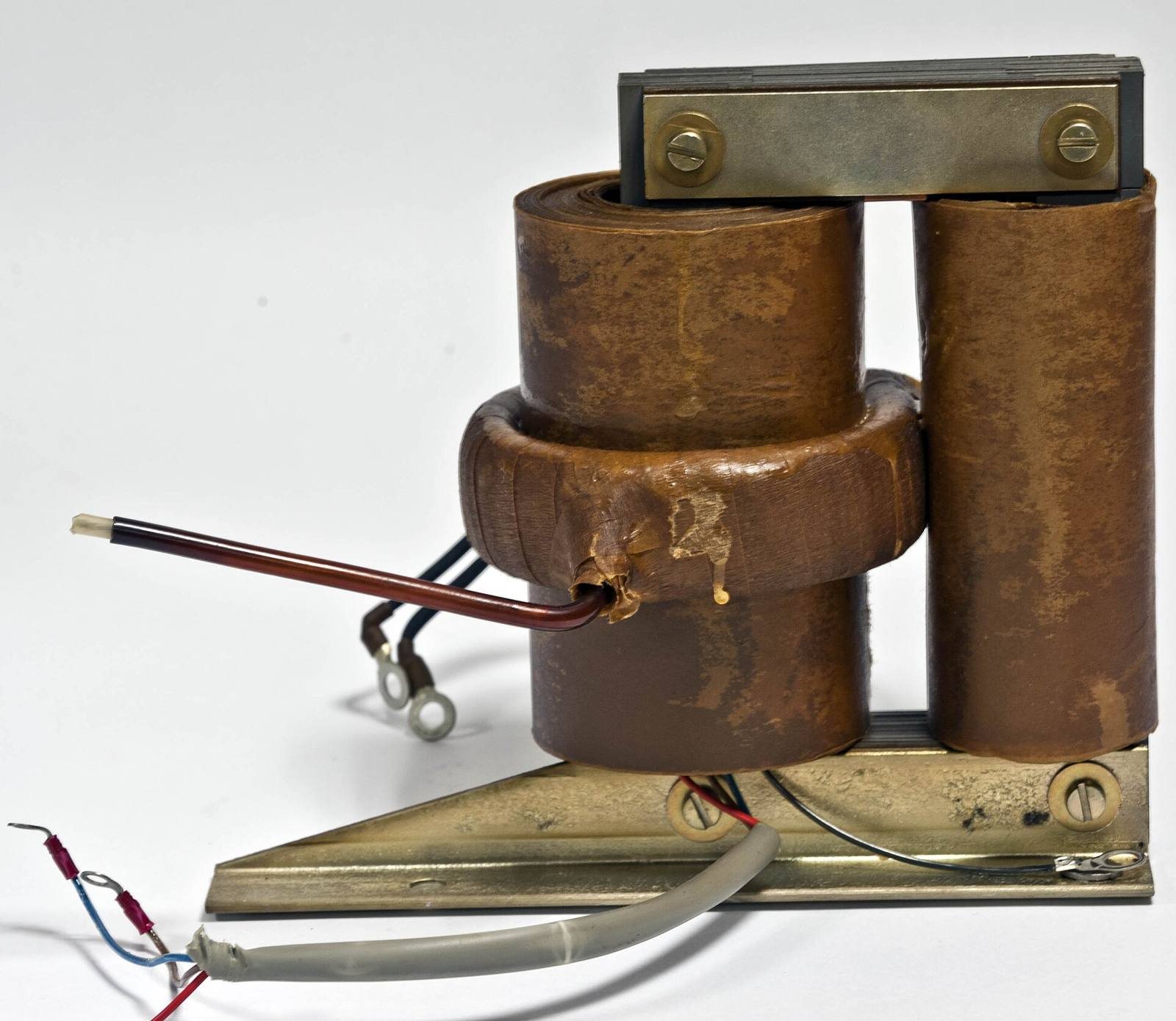
An electrical-room replacement can leave a serviceable dry-type transformer with no remaining role at the property. We buy these surplus and used units from Pasadena owners and equipment managers. Along the Highway 225 heavy industrial corridor and around the Ship Channel’s refinery and chemical-plant setting, evaluating indoor distribution equipment starts with its electrical specifications, winding condition, and practical route out of service.
Read the Nameplate Before Comparing Units
Air-cooled dry-type transformers contain no liquid dielectric and commonly fall between 15 and 5,000 kVA. They appear in industrial electrical rooms as well as commercial, healthcare, and university buildings. Record primary voltage, secondary voltage, phase, frequency, and capacity directly from the nameplate. Two cabinets of similar size can house transformers with substantially different electrical configurations and different suitability for a purchasing review.
Temperature rise and insulation class are important distinctions, alongside copper or aluminum winding construction. Include enclosure type and any documented cooling accessories. Where records are incomplete, state what is unknown rather than inferring specifications from a similar nearby unit. Photographs of identification plates, terminal markings, and the complete enclosure let us assess the actual transformer without relying on a general equipment description.
- Temperature rise
- Insulation rating
- Winding construction
- Enclosure type
Describe the Winding and Ventilation Condition
The absence of oil does not remove the need for a careful condition review. Dust accumulation, restricted airflow, moisture exposure, and overheating can affect air-cooled equipment. Explain whether the transformer operated indoors continuously or spent time in storage after removal. Show accessible insulation and winding surfaces only when qualified personnel have established safe conditions; internal photography is not worth an electrical exposure.
Tell us about unusual noise, recurring temperature concerns, protective trips, or visible discoloration reported before retirement. If the unit was removed solely because of a load change, make that distinction clear. Available insulation resistance measurements and maintenance notes help establish history. We base cash offers on the individual equipment and inspection, not on an unsupported claim that every removed transformer remains operational.
- Airflow condition
- Moisture exposure
- Overheating evidence
- Available measurements
Keep the Removal Scope Specific
A transformer inside an operating Pasadena facility may require a carefully staged exit even after electrical disconnection. Measure the enclosure, identify its documented weight, and check the route through doors and service corridors. Note raised floors, restricted loading areas, or equipment blocking access. The handling method must match the actual unit and building conditions rather than assuming a forklift can reach its mounting location.
Before removal, identify who is responsible for isolation, conductor disconnection, and making the remaining wiring safe. Preserve nameplates, enclosure panels, and included hardware with the transformer. If dismantling the cabinet is necessary for clearance, describe that requirement before work begins. We are buyers only, and the purchase discussion addresses equipment condition and agreed handling responsibilities rather than replacement sales or a standard payout schedule.
- Exit dimensions
- Mounting location
- Disconnection scope
- Retained hardware
Common questions
Can a dry-type transformer stored outside still be evaluated?
Yes, but disclose the length and nature of the exposure, whether it was covered, and any known water entry. Photograph corrosion, insulation surfaces, ventilation openings, and the enclosure. Outdoor storage can affect a transformer designed for indoor service, so its former operating condition is not enough to establish current condition. Inspection may identify additional testing needs.
Do you need the enclosure included with the transformer?
Tell us whether the original enclosure is present, complete, and usable. Enclosure type is part of the evaluation, and missing panels or ventilation components can affect the buying decision. An unenclosed unit can still be submitted, but describe it accurately and provide dimensions and photographs. Keep removed panels identified with their transformer rather than mixing parts from several units.
Reviewed by the Texas Electrical Transformer Buyers buying desk · Last updated November 13, 2026