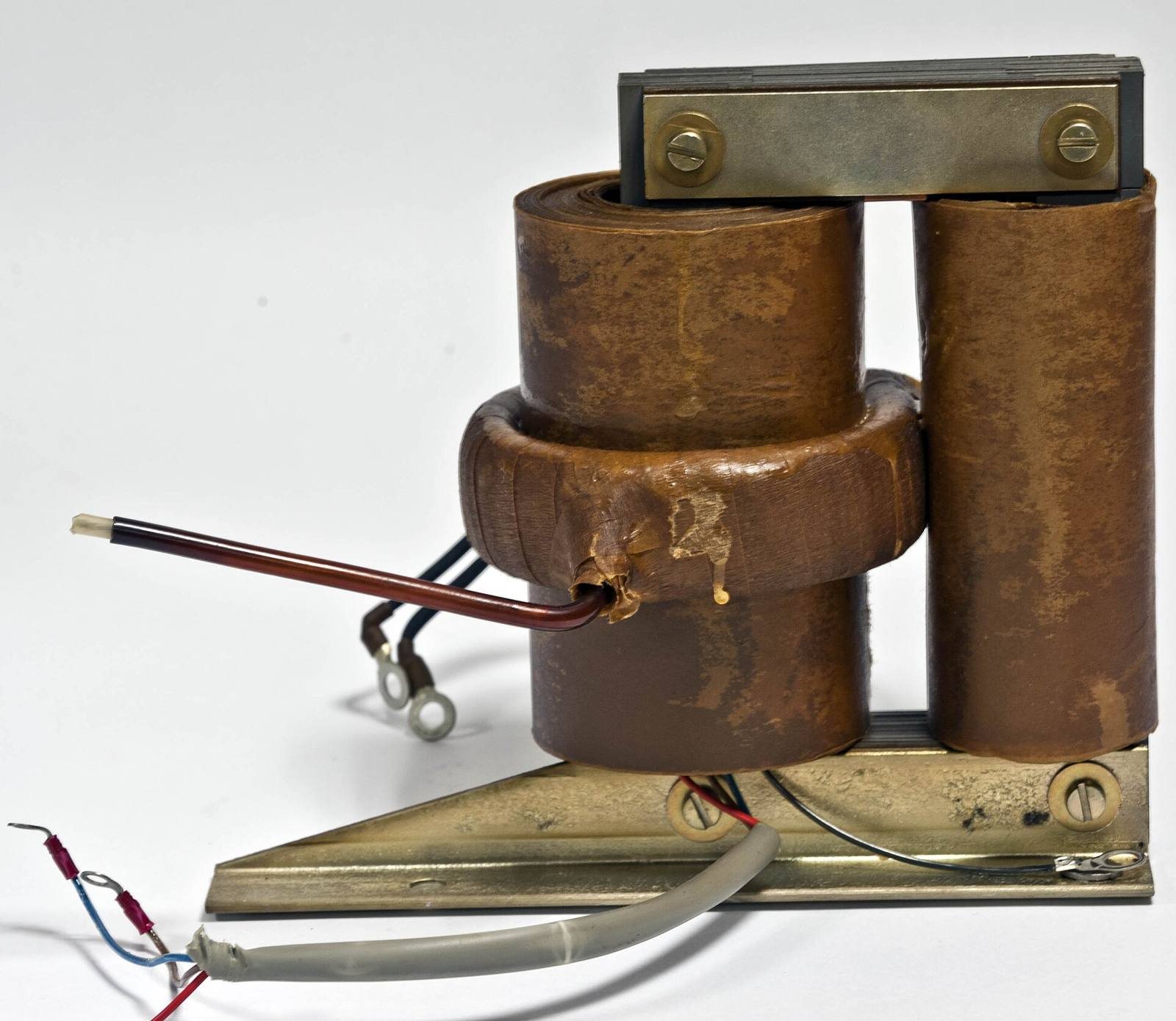
Indoor power upgrades often leave dry-type transformers disconnected but still valuable enough to evaluate before disposal. We buy used and surplus units from equipment owners. In Freeport, the Dow Freeport chemical complex, Freeport LNG and Port of Freeport frame the industrial setting, while the transformer’s insulation system, conductor material and documented condition determine the information needed for a purchase review.
Capture the Details That Distinguish Your Unit
Air-cooled dry-type transformers contain no liquid dielectric and commonly serve indoor loads at capacities from 15 to 5,000 kVA. Provide a full nameplate image rather than only the capacity. Primary voltage, secondary voltage, phase, impedance and connection details establish the basic configuration. Insulation class and temperature rise add essential information about the design being offered for evaluation by the owner.
Identify copper or aluminum windings using reliable documentation, and describe the enclosure type. Include photographs of labels, ventilation openings and safely accessible terminals. If several units came from one electrical room, keep their pictures and specifications separate. Similar enclosures can hide different ratings, so a clearly labeled equipment list is more useful than a single photograph of the entire group.
- Voltage
- Rise
- Enclosure
- Winding
Describe Insulation and Storage Condition
The absence of oil does not eliminate condition concerns. Dry-type windings can be affected by overheating, contamination, physical damage or moisture exposure. Explain whether the transformer was operating normally before disconnection and whether any fault prompted removal. Show visible discoloration or damaged supports, and provide existing maintenance or test records that help establish the unit’s history without overstating its condition.
For equipment stored near Freeport’s Gulf Coast, tell us whether it remained indoors, was covered outdoors or experienced water intrusion. Do not energize a retired unit just to demonstrate operation for a sale. Inspection needs depend on the information supplied and the condition found. We make unit-specific offers rather than treating every transformer with the same capacity as equally valuable.
- Insulation
- Contamination
- Storage
- Reports
Plan the Move Out of the Electrical Room
Start removal planning with the transformer’s dimensions, documented weight and mounting arrangement. A floor-mounted unit may require a different approach from equipment on a mezzanine or inside a tight room. Describe door openings, turns, stairs and the path to loading. Photographs showing the route help identify handling constraints that close-up equipment pictures cannot communicate to a prospective buyer reviewing access.
Confirm that qualified personnel will disconnect and safely isolate the transformer before movement. Define whether the sale includes its enclosure, vibration pads, mounting components or other loose parts. Also identify who has authority to release the equipment from the property. These details allow the purchase discussion to address the actual asset and handling scope without assuming electrical contracting is included.
- Route
- Mounting
- Isolation
- Authority
Common questions
Is a dry-type transformer exposed to moisture still worth submitting?
Submit its ratings and an accurate account of the exposure. Include photographs of visible corrosion, staining or insulation damage and any test reports already available. Moisture can affect winding insulation even when the enclosure looks acceptable. Do not energize it for demonstration; the purchase decision requires a condition review and appropriate inspection.
Can I sell multiple dry-type transformers with different voltages?
Yes, provide a separate entry for each unit with its capacity, primary and secondary voltage, phase and condition. Label photographs so they correspond to that list. Mixed electrical ratings do not prevent review, but they need individual identification. Any offer reflects the actual units inspected, including differences in winding material, insulation and completeness.
Reviewed by the Texas Electrical Transformer Buyers buying desk · Last updated November 13, 2026