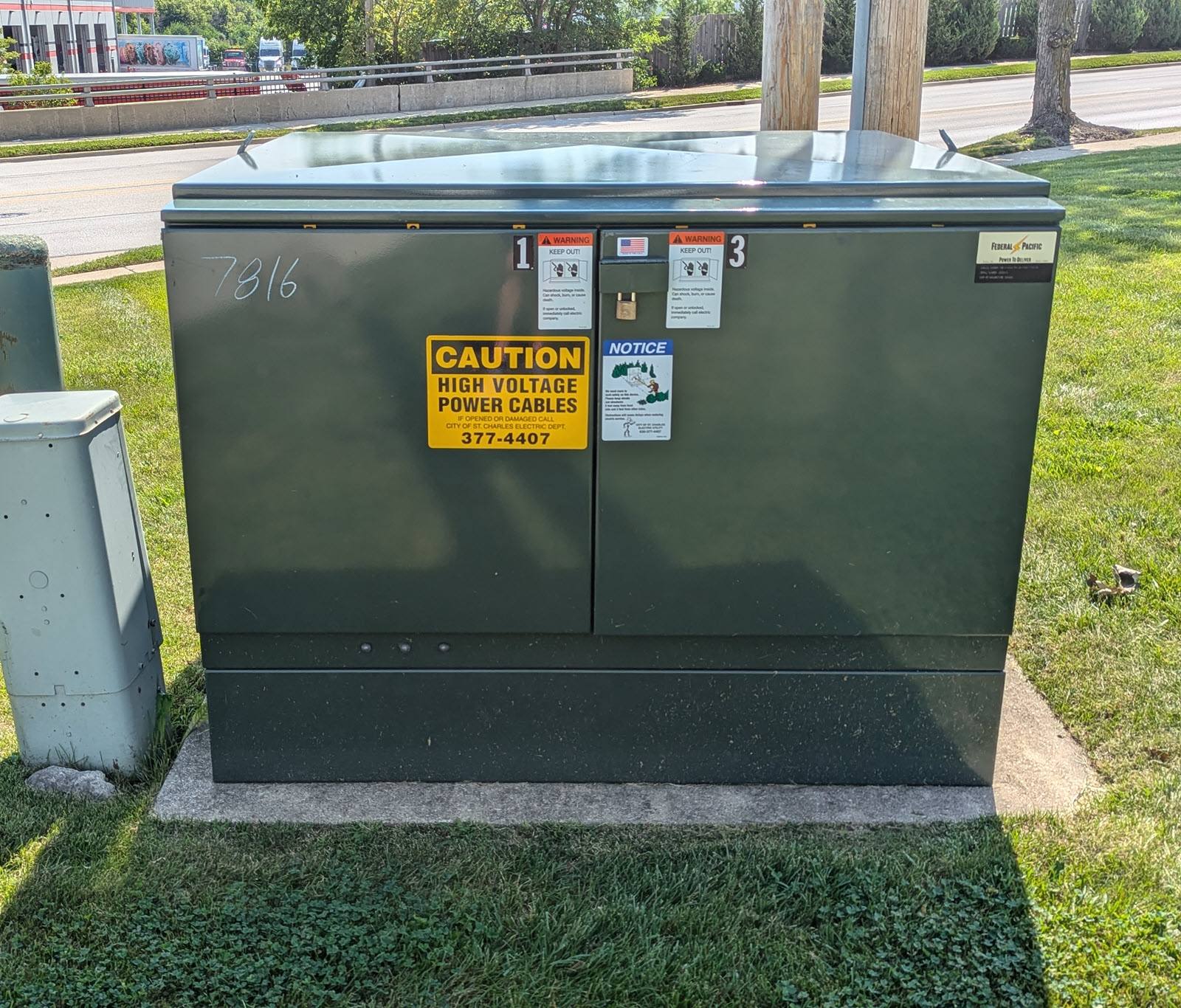
A pad-mounted transformer being replaced is both an electrical asset and a removal job that needs a clear scope. We buy surplus and used units from their owners. Freeport’s industrial context includes the Dow Freeport chemical complex, Freeport LNG and Port of Freeport; for sellers, ratings, compartment condition and access to the concrete pad are the practical starting points.
Show Ratings and Compartment Configuration
Pad-mounted transformers are tamper-resistant distribution units with protected compartments, commonly using dead-front connections. Many are 15 kV class and range from 15 to 2,500 kVA, with single-phase or three-phase configurations. Supply the nameplate, primary and secondary ratings, impedance and available connection details. These establish the electrical identity of the equipment before we consider its physical condition or removal requirements further.
Photograph the exterior, doors, hinges and locking provisions while keeping energized compartments closed. Once qualified personnel have established safe access, compartment images can document bushings, switches, fuses and cable interfaces. Tell us about missing accessories or previous modifications. A complete cabinet with damaged internal connections requires a different evaluation than an intact unit retired during a routine capacity upgrade project.
- Ratings
- Interfaces
- Switches
- Cabinet
Provide Condition and Fluid Documentation
Explain why the transformer is available: replacement, site closure, service change or equipment failure. Include its last known operating status and any existing test reports. For liquid-filled equipment, identify the dielectric fluid from records and disclose known leaks. Nameplate age alone does not establish usability, and a clean painted enclosure does not verify the condition of the windings inside it.
In Freeport’s Gulf Coast environment, photographs should show cabinet bases, door edges and other areas where moisture or corrosion may be visible. Describe flooding or prolonged outdoor storage if either occurred. Provide oil analysis and PCB documentation when available, without guessing at missing results. We base a purchase offer on the specific unit, available evidence and findings from its inspection.
- Operation
- Fluid
- Testing
- Exposure
Define Cable Work and Pad Access
Removing a pad-mounted unit involves more than lifting it off concrete. Qualified electrical personnel must manage isolation and cable termination work before handling begins. Tell us whether conductors enter from below, whether cables will remain on site and who controls the disconnection scope. Documented weight and overall dimensions help determine suitable handling equipment and the space needed around the pad.
Access restrictions often determine the practical removal sequence. Identify fences, bollards, gates, landscaping or adjacent equipment that could obstruct a forklift or crane. Explain whether any barriers can be removed and who authorizes that work. We need the unit’s ownership and sale boundaries established before finalizing terms, including whether loose accessories are included and where the transformer will be released.
- Cables
- Bollards
- Gates
- Release
Common questions
Should I open the pad-mounted transformer to take photos?
Do not open an energized transformer or enter its compartments for sales photographs. Start with exterior and accessible nameplate images. Internal pictures should only be taken after qualified personnel establish safe access under appropriate procedures. If compartment photos are unavailable, explain that limitation so the inspection can be planned without creating an electrical hazard.
Can a transformer be evaluated if bollards block removal?
Yes, blocked access does not prevent an initial equipment review. Send photographs showing the entire pad area, gate openings and obstructions. Identify who can authorize temporary bollard or fence removal. The eventual handling arrangement must account for those restrictions, and neither a purchase review nor an offer automatically includes site modification work.
Reviewed by the Texas Electrical Transformer Buyers buying desk · Last updated November 13, 2026