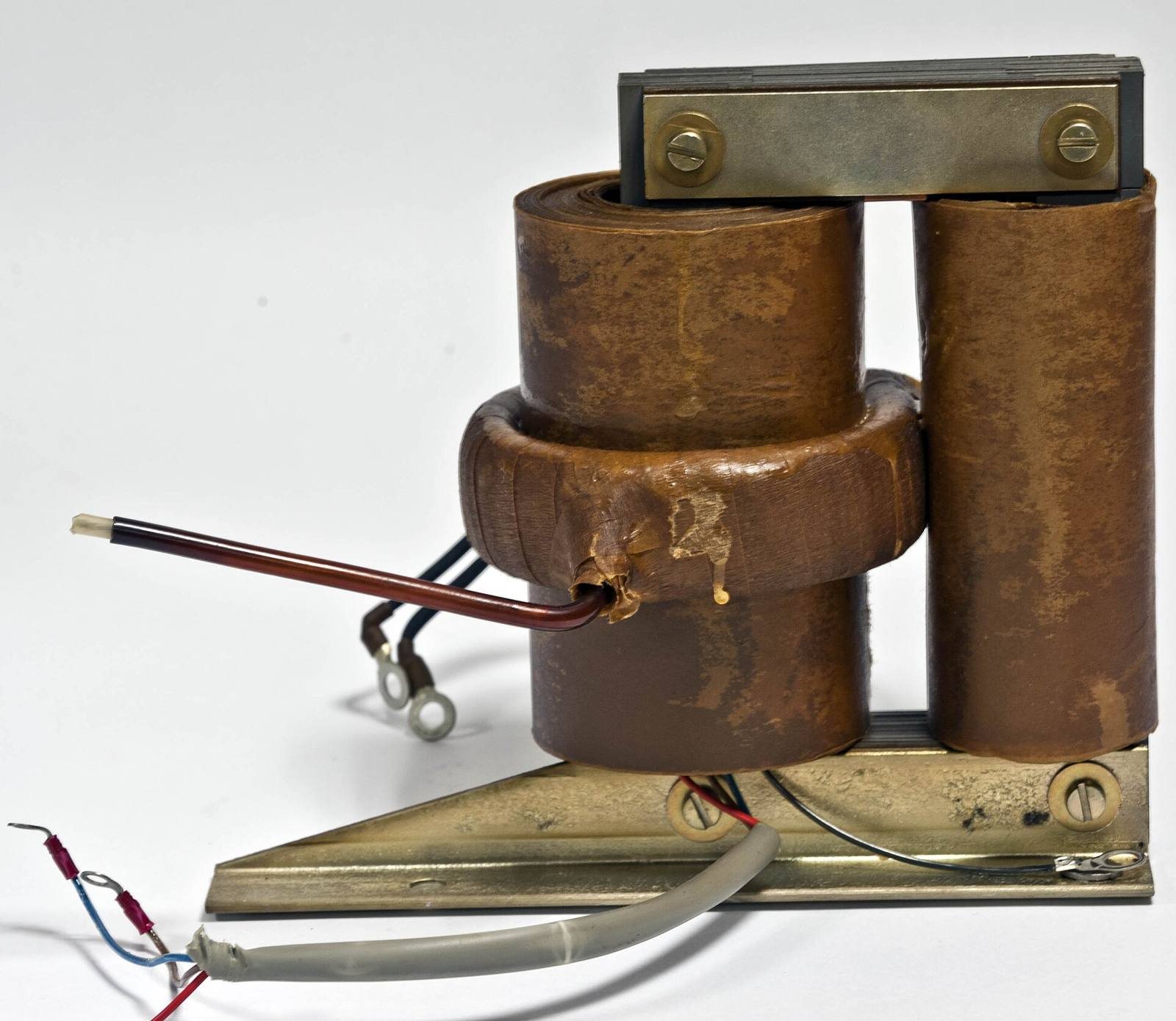
Facility managers looking to sell dry-type transformers in Tyler often need to coordinate an equipment sale with interior electrical work. Healthcare, manufacturing, and oilfield-services settings can have different operating restrictions, even when transformer ratings overlap. We buy used and surplus units for cash, reviewing electrical specifications, winding condition, and the route out of the building before establishing an inspection-based offer.
Separate Capacity From Construction Details
An air-cooled dry-type transformer has no liquid dielectric, but that does not make every unit technically interchangeable. Common sizes run from 15 to 5,000 kVA. Send the nameplate with primary and secondary voltages, phase, insulation class, temperature rise, and impedance visible. Those details help identify the design rather than leaving the evaluation dependent on a capacity number or an approximate description.
Winding material and enclosure type also matter. Identify copper or aluminum construction from reliable records, and describe whether the enclosure is complete or components have been removed. Photographs should show terminals, mounting points, and accessible winding surfaces only when safe. Report heat discoloration, damaged insulation, bent supports, or loose parts instead of assuming an intact outer cabinet means the transformer is sound.
- kVA
- Rise
- Material
- Construction
Describe the Indoor Operating Environment
Dry-type equipment commonly serves commercial buildings, healthcare facilities, universities, and industrial sites. In Tyler, the relevant question is the actual environment of your transformer, not simply the property's business category. Explain ventilation conditions, dust exposure, moisture incidents, and service history. An indoor unit stored near an open loading area may have different inspection needs from equipment protected in an electrical room.
If the transformer became surplus after a facility renovation, tell us whether it was operating normally at shutdown. If it failed, provide the known symptoms and available test results. Existing maintenance records can clarify cleaning, terminal work, or insulation concerns. Avoid describing an untested unit as ready for service; a straightforward account of what is known supports a more credible purchase evaluation.
- Ventilation
- Dust
- Moisture
- Maintenance
Coordinate the Building Exit and Handoff
Indoor removal requires a usable route from the installation to a loading point. Measure the enclosure, check documented weight, and identify door openings, hallway turns, floor changes, and dock access. Tell us whether the transformer sits on a housekeeping pad or elevated structure. Electrical disconnection and physical handling are separate tasks, and both need assigned responsibility before the equipment is moved.
Smith County facilities may restrict work around production schedules or occupied healthcare areas. Supply your actual access requirements, including controlled doors and areas that must remain clear. Clarify whether the sale covers one transformer or multiple units from the same project. We base offers on inspected equipment and agreed handling conditions, without assuming that building access or loading assistance is included automatically.
- Dimensions
- Floors
- Docks
- Handoff
Common questions
Do I need to remove the enclosure before offering the transformer?
Leave the enclosure intact unless qualified personnel have a separate operational reason to remove it. Exterior photographs, the nameplate, and existing records are enough to begin a review. Missing panels or altered protection can affect evaluation and handling. Any internal inspection should occur only under appropriate electrical safety procedures after the unit's status has been verified.
Can several dry-type transformers from a renovation be reviewed together?
Yes. Provide a separate nameplate photo and condition description for each unit, along with a shared removal plan if they are in the same building. Note differences in voltage, winding material, and capacity rather than grouping them solely by appearance. We can assess the project as a package while keeping the equipment details distinct.
Reviewed by the Texas Electrical Transformer Buyers buying desk · Last updated November 13, 2026