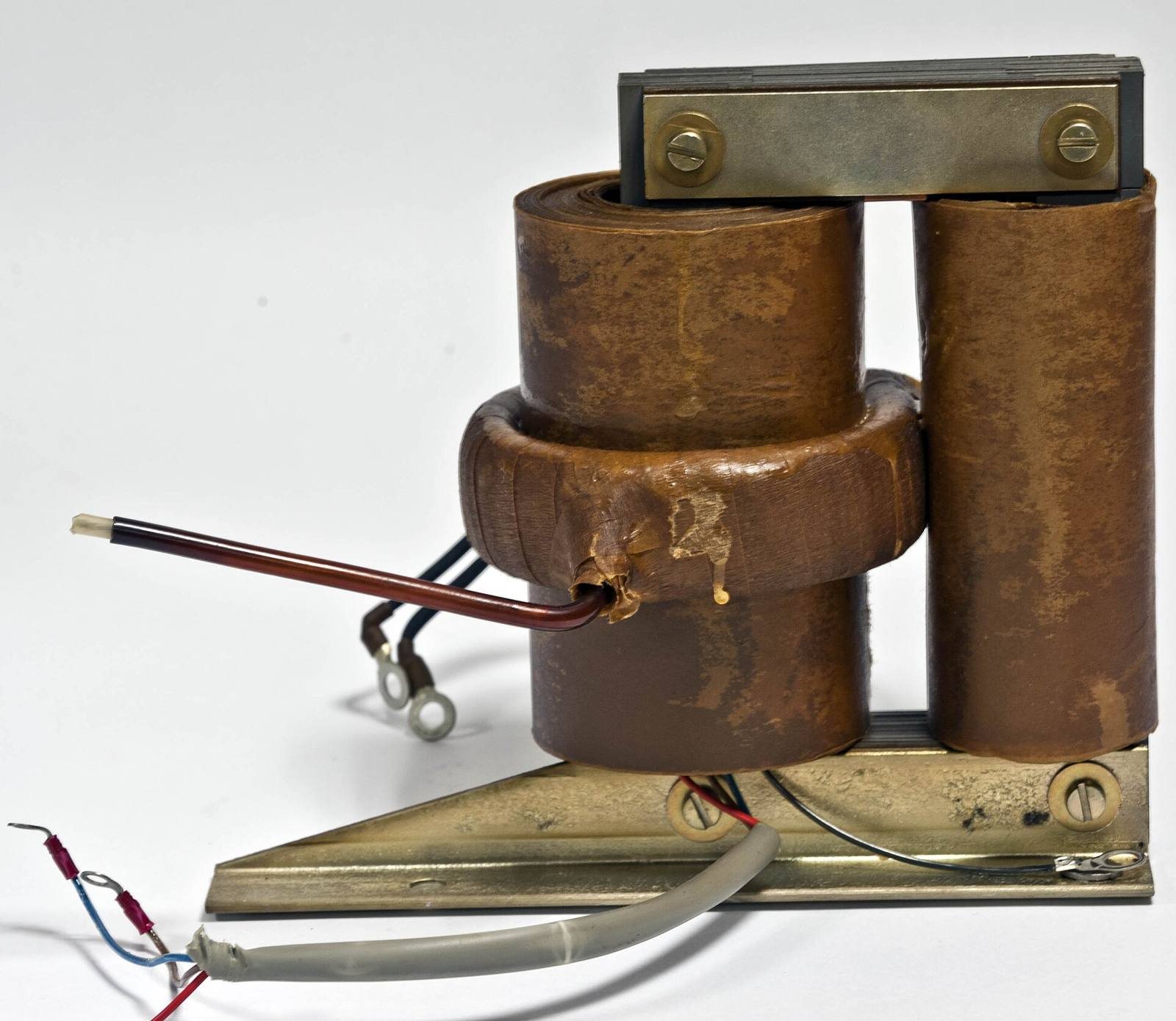
Replacing indoor electrical equipment can leave a usable transformer occupying valuable plant space. We buy surplus and used dry-type units from owners managing upgrades, shutdowns or equipment removal. Texas City’s industrial setting includes Marathon Petroleum Texas City refinery, the Texas City industrial complex, and port and chemical terminals. Your unit’s electrical ratings and winding condition determine how we evaluate it.
Identify the Electrical and Thermal Ratings
Dry-type transformers use air cooling rather than a liquid dielectric and commonly range from 15 to 5,000 kVA. Start with a readable nameplate photograph showing capacity, primary and secondary voltage, phase, frequency and impedance. Include the insulation class and rated temperature rise, since these specifications help distinguish otherwise similar units removed from indoor commercial or industrial electrical rooms during upgrades.
Tell us whether the windings are copper or aluminum, but do not guess if the nameplate is unclear. Photograph the enclosure, terminal compartment and accessible winding surfaces without opening energized equipment. Ventilated and enclosed designs require different condition checks. A complete identification package helps us determine what additional inspection is needed before making a unit-specific cash offer for your equipment.
- Nameplate
- Voltages
- Insulation
- Conductors
Explain Condition Before Removal
Equipment removed during a planned replacement should be described differently from a transformer taken out after overheating or a fault. Provide the last operating status, reason for retirement and any available maintenance records. Discoloration, damaged insulation, unusual noise and loose connections matter because an intact enclosure alone does not establish the condition of the core and coils inside the unit.
For a Gulf Coast location, describe moisture exposure, storage conditions and visible corrosion rather than assuming every indoor unit remained dry. Share existing insulation resistance or other electrical test reports if available; do not commission testing solely on an assumed purchase commitment. We review the documentation alongside physical condition, and any offer remains specific to the transformer and its inspection.
- History
- Testing
- Moisture
- Damage
Prepare Access and a Defined Sale Scope
An indoor transformer may be easy to photograph but difficult to remove. Explain whether it sits in a basement, elevated electrical room or ground-level equipment area. Supply dimensions, estimated weight from documentation and the route to a loading point. Door widths, stairs, overhead obstructions and forklift access can affect handling plans even when the transformer itself appears ready for removal.
Before discussing a sale, identify who owns the unit and who is responsible for disconnecting it. Qualified personnel must isolate the equipment and verify safe conditions before handling. Tell us whether the enclosure, mounting hardware and associated components are included. A clear scope separates the transformer purchase from electrical work and gives both parties a practical basis for planning release.
- Ownership
- Dimensions
- Access
- Scope
Common questions
Can I sell a dry-type transformer without knowing its winding material?
Yes, you can submit it for review without that information. Send a clear nameplate image and any manufacturer documentation you already have. Do not scrape insulation or dismantle windings to identify the conductor. Copper or aluminum construction affects evaluation, so we may need to confirm it during inspection before establishing an offer.
Does a transformer need to be removed before you evaluate it?
An initial review can begin while the unit remains installed, using photographs, ratings and operating history. Keep covers closed if the equipment is energized, and have qualified personnel manage any access requiring electrical isolation. Let us know the planned shutdown and removal scope. Purchase terms depend on inspection, ownership verification and an agreed handling arrangement.
Reviewed by the Texas Electrical Transformer Buyers buying desk · Last updated November 13, 2026