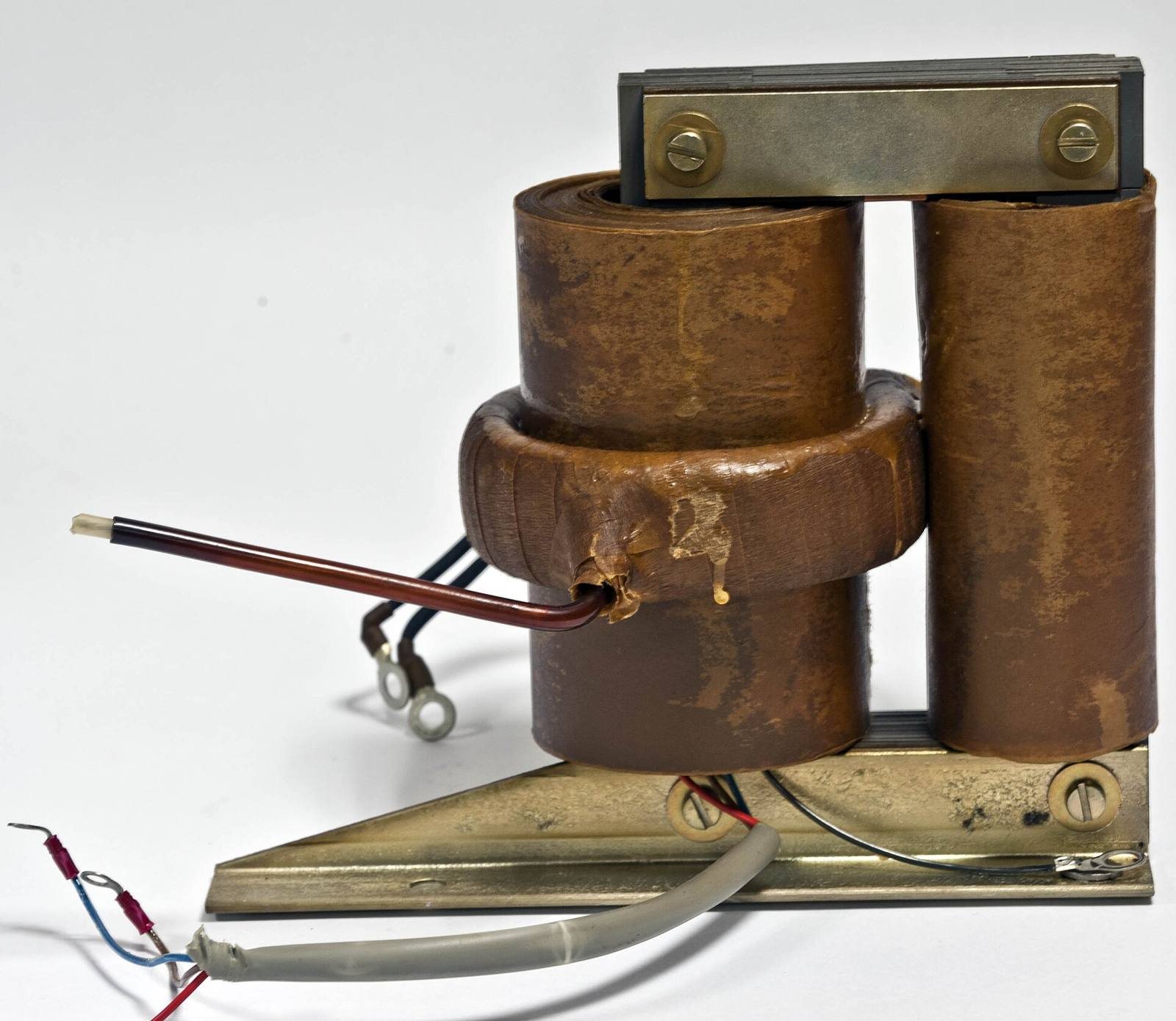
An indoor transformer removed during an electrical upgrade may still have resale value, even when its original application has ended. We buy surplus and used dry-type units from owners in Port Arthur, Jefferson County. Around the Gulf Coast industrial setting associated with Valero Port Arthur refinery, Motiva Port Arthur, and LNG and marine terminals, equipment condition matters more than the reason for replacement.
Identify the Unit Beyond Its kVA Rating
Dry-type transformers use air cooling rather than a liquid dielectric. Units commonly range from 15 to 5,000 kVA and serve indoor commercial, healthcare, university, and industrial installations. For purchasing review, send a readable nameplate photograph showing primary and secondary voltages, phase, frequency, and capacity. Include the manufacturer’s identification and any available documentation connecting the transformer to its original electrical application.
Insulation class, rated temperature rise, and winding material help distinguish units that otherwise appear similar. Copper and aluminum windings require different evaluations; neither should be assumed from the enclosure alone. Photographs should show ventilation openings, terminals, enclosure damage, and accessible winding surfaces. Tell us whether the transformer is enclosed, open, or equipped with accessories that remain available with the unit.
- Rated capacity
- Voltage configuration
- Insulation class
- Winding material
Separate Storage Wear From Winding Damage
A dry-type transformer taken out of service for a capacity change presents a different buying case from one removed after an electrical fault. Explain the removal reason and its last known operating condition. Available insulation resistance results, maintenance notes, and temperature records can support the review, but they do not replace inspection of the actual equipment before an offer is finalized.
For equipment stored near Gulf Coast industrial operations, report known moisture exposure, accumulated contamination, or outdoor storage after removal. Air-cooled construction does not make windings immune to environmental damage. Avoid cleaning methods that could damage insulation or hide evidence of overheating. Clear photographs of discoloration, cracked insulation, corrosion, and missing parts give us a more useful starting point than cosmetic descriptions.
- Operating history
- Test records
- Storage conditions
- Visible damage
Plan the Path Out of the Building
Indoor removal often depends on more than lifting capacity. Check door openings, equipment-room clearances, stairs, overhead obstructions, and the route to a loading area. Provide overall dimensions and a documented weight when available. Qualified personnel must isolate and disconnect the transformer before handling; a unit that appears unused should never be treated as electrically safe solely because it is quiet.
Tell us whether the transformer remains installed, is disconnected inside the building, or has already been moved into accessible storage. Identify any enclosure panels, mounting hardware, or related components included in the sale. We purchase equipment rather than supply replacement transformers. Cash offers are specific to the unit and based on inspection, with removal responsibilities and access conditions addressed before agreement.
- Door clearance
- Unit weight
- Loading route
- Included components
Common questions
Can I sell a dry-type transformer without recent electrical test results?
You can submit it for review without recent tests. Start with the nameplate, photographs, removal reason, and last known operating status. Missing test records create uncertainty about winding condition, so additional inspection or testing may be needed. Do not energize a stored transformer simply to demonstrate operation; any testing should be handled by qualified personnel.
Does an aluminum-wound dry-type transformer have buying potential?
An aluminum-wound unit can be considered. Winding material is one part of the evaluation alongside kVA, voltage configuration, insulation class, temperature rise, and physical condition. Identify the material from documentation rather than guessing from external appearance. Our offer depends on the specific transformer and inspection, not a blanket assumption that only copper-wound equipment is worth reviewing.
Reviewed by the Texas Electrical Transformer Buyers buying desk · Last updated November 13, 2026