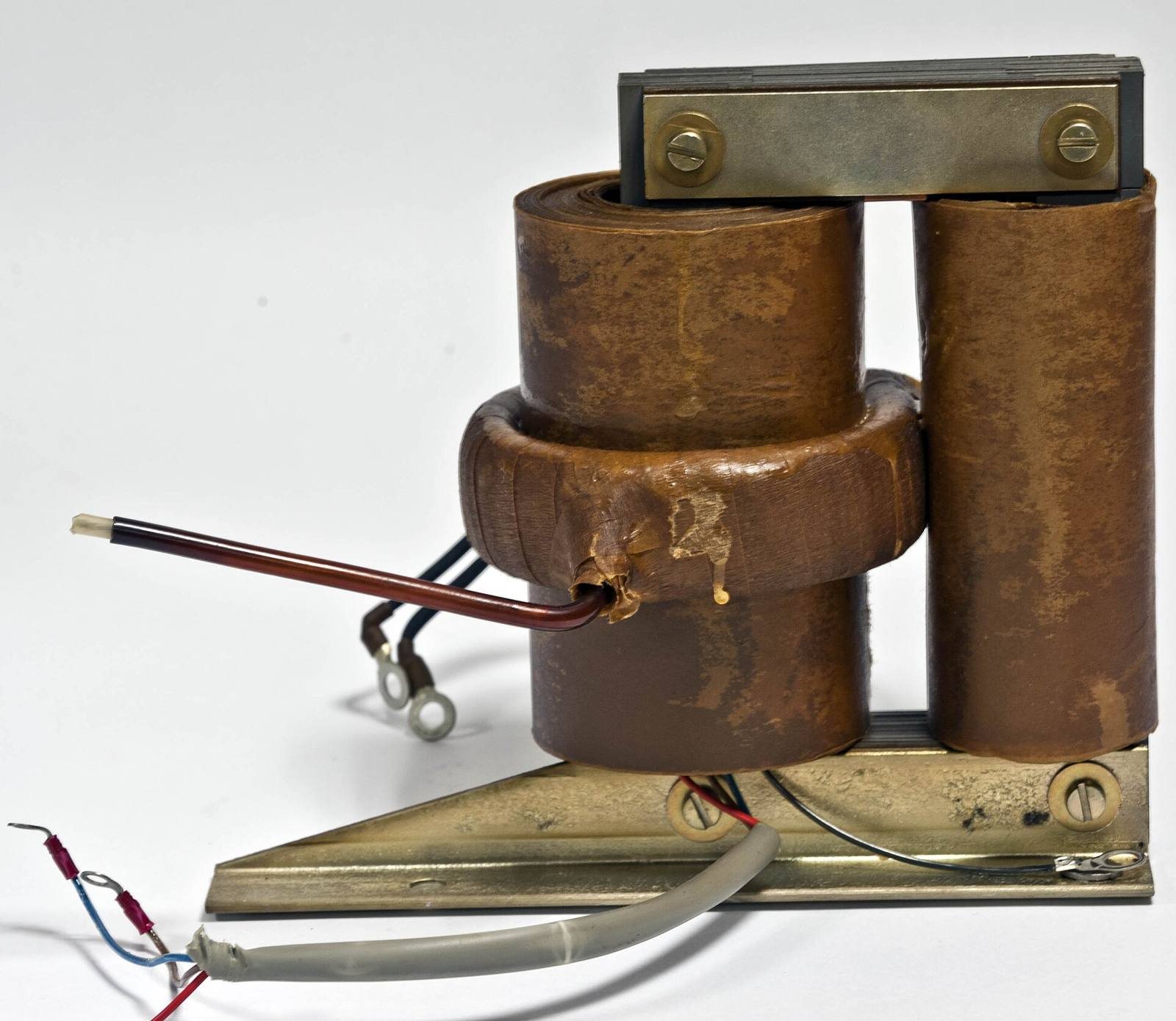
If you plan to sell dry-type transformers in Midland, Texas, document the windings and enclosure as carefully as the kVA rating. Texas Electrical Transformer Buyers buys surplus and used units for cash. Across Midland County's oilfield services, midstream, and Permian Basin oil and gas setting, indoor equipment changes can leave usable transformers available, but heat exposure, contamination, and removal access still require a unit-by-unit review.
Specify the Dry-Type Design
Dry-type transformers use air cooling rather than a liquid dielectric. Common ratings run from 15 to 5,000 kVA in indoor commercial, healthcare, university, and industrial applications. Send the nameplate information for the actual unit, including primary and secondary voltage, phase, insulation class, and temperature rise. These specifications establish what is being offered without assuming that two similarly sized enclosures contain interchangeable electrical equipment.
Winding material and enclosure type also affect the purchase review. Identify copper or aluminum windings from reliable documentation rather than appearance alone. Record whether the enclosure is complete and whether ventilation openings or protective panels have been altered. For equipment removed from an oilfield services workspace, describe the operating environment, particularly dust, moisture, and ventilation conditions that may have affected the insulation or cooling.
- Insulation class
- Temperature rise
- Winding material
- Enclosure type
Show Winding Condition and Service History
Winding condition is central to evaluating a used dry-type transformer. Discoloration, damaged insulation, evidence of arcing, and persistent overheating need to be disclosed. Existing test results and maintenance records can help explain what photographs cannot establish. Do not remove protective covers from energized equipment to obtain pictures; use safe existing documentation or have qualified personnel provide access after proper isolation at the site.
Tell us whether the transformer was operating normally when disconnected or was removed after a fault. Include storage conditions and any known exposure to water or heavy contamination. A unit kept indoors under protection presents different questions from one left exposed after removal. Offers are specific to the equipment and based on inspection, not a standard cash amount assigned to every transformer with the same kVA.
- Overheating history
- Insulation damage
- Test results
- Storage exposure
Plan the Route Out of the Building
Indoor removal often depends on access more than distance. Identify the room location, doorway dimensions, corridor turns, and any stairs or elevation changes between the transformer and loading area. State whether the unit remains bolted down or connected to conductors. This information helps distinguish an electrically disconnected transformer ready to move from equipment that still requires preparation inside an active building or equipment room.
Provide documented weight and overall dimensions where available, including the enclosure rather than only the core assembly. Explain any restrictions on lifting equipment, floor loading, or work near operating systems. Electrical disconnection belongs with qualified personnel under the site's procedures. Establishing the removal responsibilities before purchase avoids relying on assumptions about who will unbolt the unit, move it through the building, and prepare it for loading.
- Doorway dimensions
- Travel path
- Unit weight
- Connection status
Common questions
Can you evaluate an aluminum-wound dry-type transformer?
Yes. Identify the winding material from the nameplate or supporting documentation and provide the remaining electrical specifications. Aluminum windings do not by themselves determine whether we will purchase a unit. Insulation condition, temperature rise, enclosure completeness, ratings, and inspection findings all contribute to the unit-specific evaluation.
What if the transformer has been stored outside?
Disclose how long it was outside, whether it was covered, and any known rain or moisture exposure. Send photographs of the enclosure and safely accessible areas, along with available insulation test results. Because dry-type equipment has no liquid dielectric, moisture and contamination of the insulation require careful review before purchase.
Reviewed by the Texas Electrical Transformer Buyers buying desk · Last updated November 13, 2026