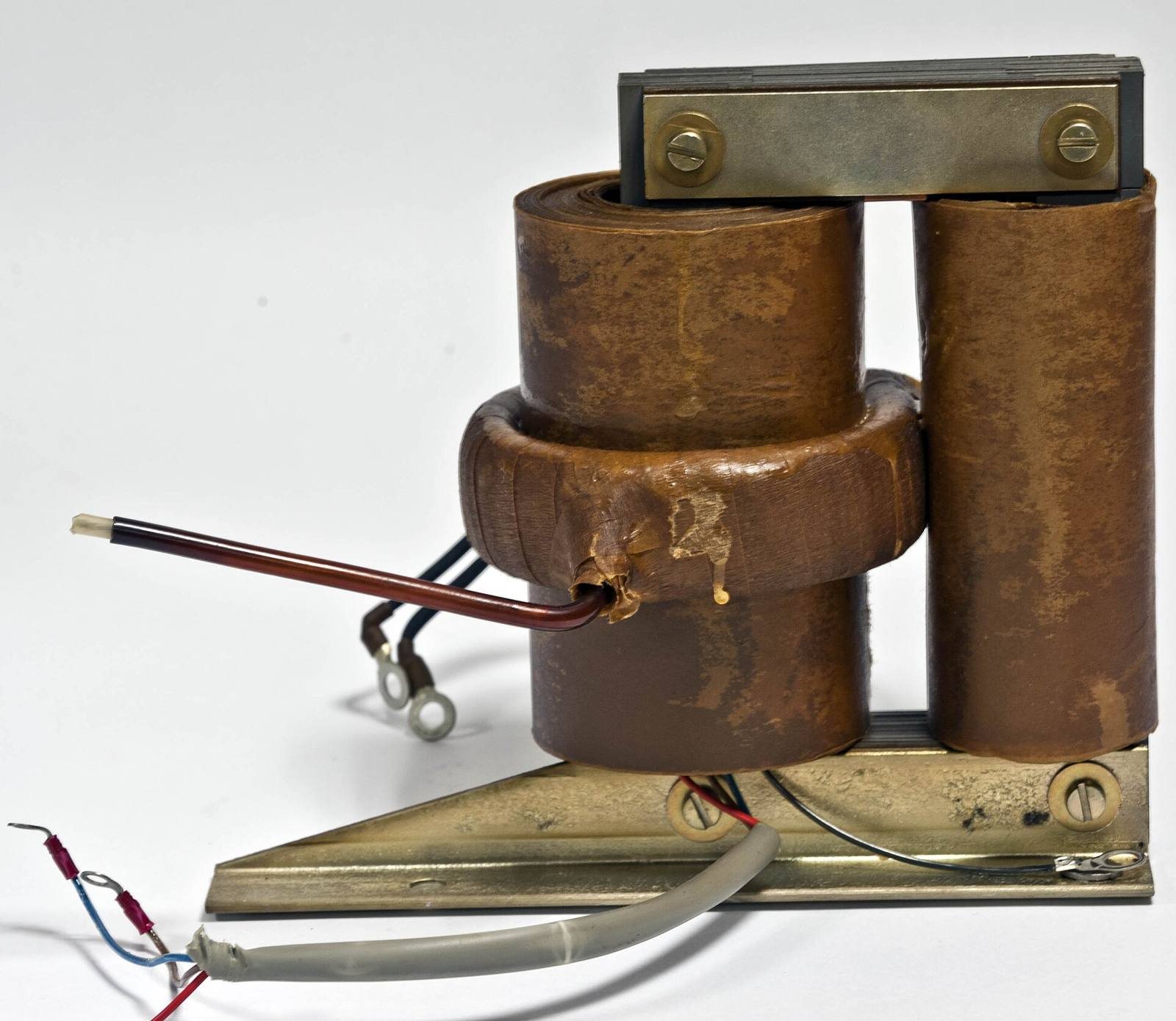
Indoor transformer replacements can leave valuable equipment behind walls, on mezzanines or inside electrical rooms. Longview manufacturing and oilfield service operations often need to resolve those access issues before a surplus unit can leave the property. Texas Electrical Transformer Buyers buys dry-type transformers for cash, reviewing insulation, winding condition and handling requirements rather than judging the equipment by its enclosure size alone.
Provide More Than the kVA Rating
Dry-type transformers use air cooling rather than a liquid dielectric and commonly range from 15 to 5,000 kVA. A clear nameplate should identify capacity, primary and secondary voltages, phase and frequency. Include insulation class and temperature rise when listed. Those details help us understand the design and evaluate the transformer without guessing from exterior appearance or the installation it previously served.
Winding material and enclosure type also influence our assessment. Identify copper or aluminum windings only when documentation supports that description; do not infer material from visible leads. Photograph the enclosure, ventilation openings and safely accessible interior areas. Missing panels, altered connections and damaged supports deserve specific notes because they may affect both electrical condition and the practicality of handling the unit.
- Capacity
- Insulation
- Windings
- Enclosure
Describe Heat, Dust and Winding Condition
Manufacturing and process environments can expose air-cooled equipment to dust and elevated temperatures. Tell us whether the transformer operated in a ventilated electrical room or near production activity. Visible contamination does not by itself establish winding failure, but it warrants documentation. Photographs should show discoloration, damaged insulation and debris without requiring anyone to approach exposed energized parts during the sales inquiry.
Explain any history of overheating, unusual vibration, electrical faults or repairs. Available test results can support the review, especially when the equipment has been disconnected and stored for an extended period. Storage moisture and physical impacts should also be disclosed. Our purchase evaluation considers the winding assembly and its supporting structure, not merely whether the enclosure appears clean from the outside.
- Heat
- Dust
- Damage
- Storage
Check the Indoor Removal Route
A dry-type transformer may be straightforward to disconnect but difficult to extract from its room. Measure doorways, corridors and changes in elevation along the proposed route. Tell us about stairs, mezzanines and floor-loading restrictions if known. An enclosure that fit during original construction may no longer pass through the available opening after later building alterations or adjacent equipment installations on site.
Provide shipping weight and lifting information from the manufacturer where available. Qualified personnel should handle isolation and conductor removal before rigging starts. Avoid assuming the enclosure offers suitable lifting points or that a pallet jack can support the load. We discuss access and handling alongside the technical review so purchase terms reflect the actual equipment and its location within the building.
- Doorways
- Elevation
- Weight
- Rigging
Common questions
Will you consider a dry-type transformer with aluminum windings?
Yes. Aluminum windings do not automatically exclude a unit from review. We consider the documented winding material together with ratings, insulation class, temperature rise and condition. Send the nameplate and supporting manufacturer information if available. Do not cut or disturb windings to identify material; any offer depends on the complete unit and inspection findings.
Should I remove the enclosure before submitting photographs?
No. Begin with the nameplate, exterior views and any existing records. Interior photographs should only be obtained by qualified personnel under suitable electrical safety procedures. Tell us if panels are already missing or removed. We can identify additional inspection needs after reviewing the initial information, without asking you to dismantle the equipment for an inquiry.
Reviewed by the Texas Electrical Transformer Buyers buying desk · Last updated November 13, 2026