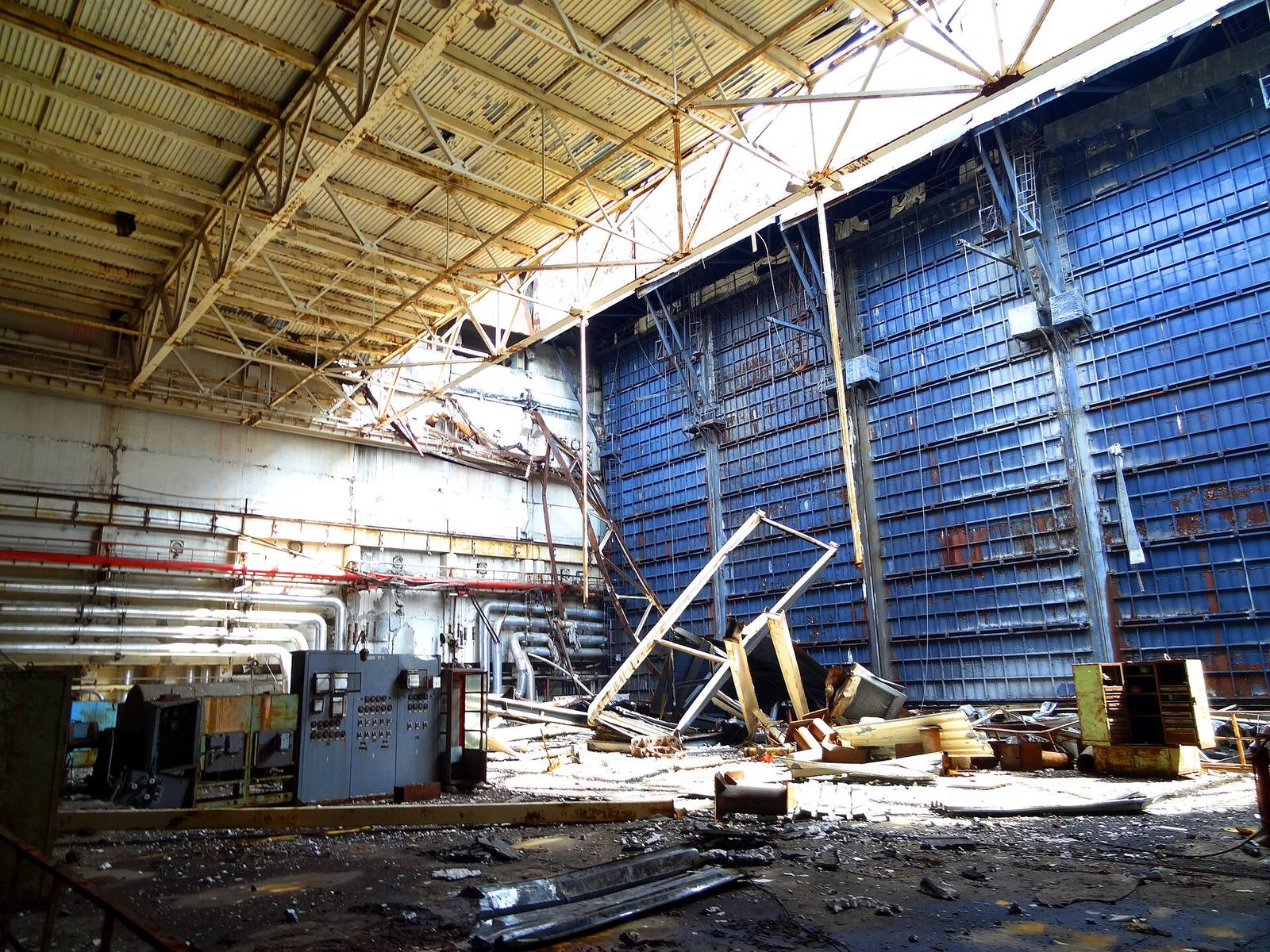
A power plant teardown is a heavy-equipment project with a deadline. The turbine hall, boiler house, switchyard and electrical rooms have to come down in a sequence that keeps the demolition contractor safe and the site compliant. The transformers are often the heaviest and most valuable electrical assets in that sequence: generator step-up units, station-service transformers, auxiliary transformers and the switchyard gear that connected the plant to the grid.
We buy those assets directly and coordinate the agreed removal, rigging and heavy-haul scope around the demolition plan. Our review starts with the nameplates and plant records, then addresses isolation, access, lifting, transport and payment terms. The goal is to recover value from the electrical equipment before it becomes scrap or a scheduling problem for the demolition crew.
What We Buy From a Retiring or Demolished Power Plant
The largest value is usually in the generator step-up transformers that connected the turbine-generators to the transmission system. We also evaluate station-service transformers, auxiliary transformers, startup transformers, unit substations, grounding transformers and the medium-voltage switchgear that fed plant loads. In the switchyard, we consider breakers, disconnects, bus, current and voltage transformers, surge arresters, control house equipment and cable.
Not every asset can be reused. Some transformers are candidates for remanufacturing or resale; others are better dismantled for copper, core steel and salvage. We review the equipment as a portfolio and tell you which units fit a reuse purchase, which are salvage candidates and which need environmental or structural review before a number can be discussed.
- Generator step-up (GSU) and transmission transformers
- Station-service, auxiliary, startup and grounding transformers
- Switchyard breakers, disconnects, bus, CT/PT and arresters
- Control house equipment, cable and medium-voltage switchgear
Nameplate Photos and Plant Records
For a power plant, the nameplate is only the beginning. The most useful package includes the nameplate, overall unit photos, the high- and low-voltage bushing details, the cooling equipment, the tap changer, the oil preservation system and any visible leaks or damage. Record the manufacturer, serial number, MVA rating, voltage class, impedance, cooling class, tap changer type and year of manufacture.
Plant records can materially change the review: one-line diagrams, relay settings, oil test history, DGA results, inspection reports, nameplate drawings, foundation drawings, lifting drawings and the demolition sequence. If the plant is already in teardown, send the current status of each unit and whether the bushings, radiators or accessories have been removed. Do not guess at weight or center of gravity; the original drawings or nameplate data are the starting point for the rigging plan.
- Nameplate, bushing, cooling and tap-changer photos
- MVA, voltage, impedance, cooling class and serial number
- One-lines, oil tests, DGA and inspection records
- Demolition drawings, foundation details and lifting drawings
Staged Removal Around the Demolition Sequence
Power plant demolition is sequenced for structural safety, environmental controls and equipment access. The transformer removal plan has to fit that sequence rather than assume the plant is a clean, empty site. A GSU may be landlocked behind the turbine hall, a station-service transformer may sit under a pipe bridge, and the switchyard may still have live transmission lines at its boundary.
We work with the owner, demolition contractor and rigging company to identify when each unit is released, which structures must be removed first, where the crane can set up and how the equipment reaches the loading area. Your qualified electrical personnel confirm isolation and release. Asbestos, lead paint, PCBs, oil and other environmental conditions are identified before work starts, with responsibilities assigned in writing.
- Removal sequence tied to demolition and structural work
- Crane pad, access route and laydown area identified early
- Isolation and release by qualified plant or contractor personnel
- Asbestos, lead, PCB and oil responsibilities defined
Heavy Rigging and Heavy-Haul Freight
Generator step-up transformers can weigh hundreds of tons, and the rigging plan is a specialized engineering exercise. We coordinate the agreed scope with crane and heavy-haul contractors who review the unit weight, lifting points, center of gravity, foundation condition, jacking points and the route to the loading area. Some units are lifted directly onto a trailer; others are jacked, skidded or moved on a multi-axle transport frame.
The route matters as much as the crane. Bridges, overhead lines, railroad crossings, road width, turn radius and local permits can determine whether a unit moves by road or rail. We identify the transport mode, permits, escorts, route survey and staging yard before scheduling. If the plant has a rail spur, that option is evaluated alongside heavy haul; if not, the road route is planned in detail.
- Engineered lift plan for GSU and large auxiliary units
- Crane, jack-and-slide, skid or multi-axle transport selection
- Route surveys, bridge and overhead-line reviews
- Permits, escorts, rail option and staging yard
Payment Terms, Title and Environmental Documentation
Offers are unit-specific and based on inspection. The written terms identify the equipment included, the price, payment timing, title transfer, bill of sale and any conditions such as oil testing, PCB screening, structural inspection or removal milestones. Payment may be made at pickup or against a signed bill of sale after loading and serial-number reconciliation, depending on the scope.
Power plant assets often carry lender, utility or corporate ownership interests, and the site may be in bankruptcy, receivership or a multi-party sale. Tell us early who can authorize the sale and whether lien releases, board approvals or environmental indemnities are required. Keep the bill of sale, serial-number list and payment records for the plant's asset-disposal file.
- Written scope, price, payment timing and title transfer
- Bill of sale and serial-number reconciliation
- Lender, utility, bankruptcy or multi-party authorization
- Oil, PCB and environmental documentation tied to the terms
Safety, Environmental and Demolition Compliance
Power plant teardowns involve energized equipment, confined spaces, heavy lifts, asbestos-containing materials, lead paint, PCBs, oils and demolition debris. The equipment purchase does not replace the site's safety plan or the demolition contractor's regulatory obligations. Our crews follow the site's orientation, lockout/tagout, PPE, hot-work and access rules, and we do not begin handling until the release is confirmed.
Environmental documentation is part of the transaction. Oil-filled transformers may need fluid identification, PCB screening and testing before transport. Switchyard equipment may contain SF6, oil or hazardous components. The agreement identifies which party handles each stream, what permits are required and what records are delivered. The objective is a clean title transfer and a removal that does not create a new liability for either side.
- Site safety plan, lockout/tagout and contractor orientation
- Oil, PCB, SF6 and hazardous-material review
- Permits, manifests and disposal documentation
- Clear allocation of environmental responsibility
Common questions
Do you buy generator step-up transformers from a plant that is still operating?
A unit can be reviewed before the plant retires, but it cannot be removed while it is connected or needed for service. Send the nameplate, condition information and planned retirement date. The purchase and removal plan is built around the plant's isolation and release schedule.
Can you remove transformers before the demolition contractor starts?
Often yes, if access and isolation can be arranged. Early removal may be preferable for a GSU that would otherwise be landlocked by demolition. The sequence is agreed with the owner and demolition contractor so the rigging and demolition plans do not conflict.
Do you handle heavy haul and crane work for large power transformers?
We coordinate the agreed rigging and heavy-haul scope with specialized contractors. The plan considers weight, lifting points, foundation condition, route, bridges, permits and escorts. The written terms identify who provides each part of the work and who is responsible for engineering approvals.
What documents do you need for a power plant transformer?
Start with the nameplate, overall photos, bushing and cooling details, serial number and any oil test or inspection records. One-line diagrams, foundation drawings and lifting drawings are valuable. If the plant is already in teardown, tell us what has been removed and what remains.
What payment terms apply to a power plant package?
Terms are unit-specific and documented before release. Payment may be made at pickup or against a signed bill of sale after loading and serial-number reconciliation. Any testing, environmental, lien-release or removal-milestone condition is stated in writing.
Reviewed by the Texas Electrical Transformer Buyers buying desk · Last updated November 13, 2026