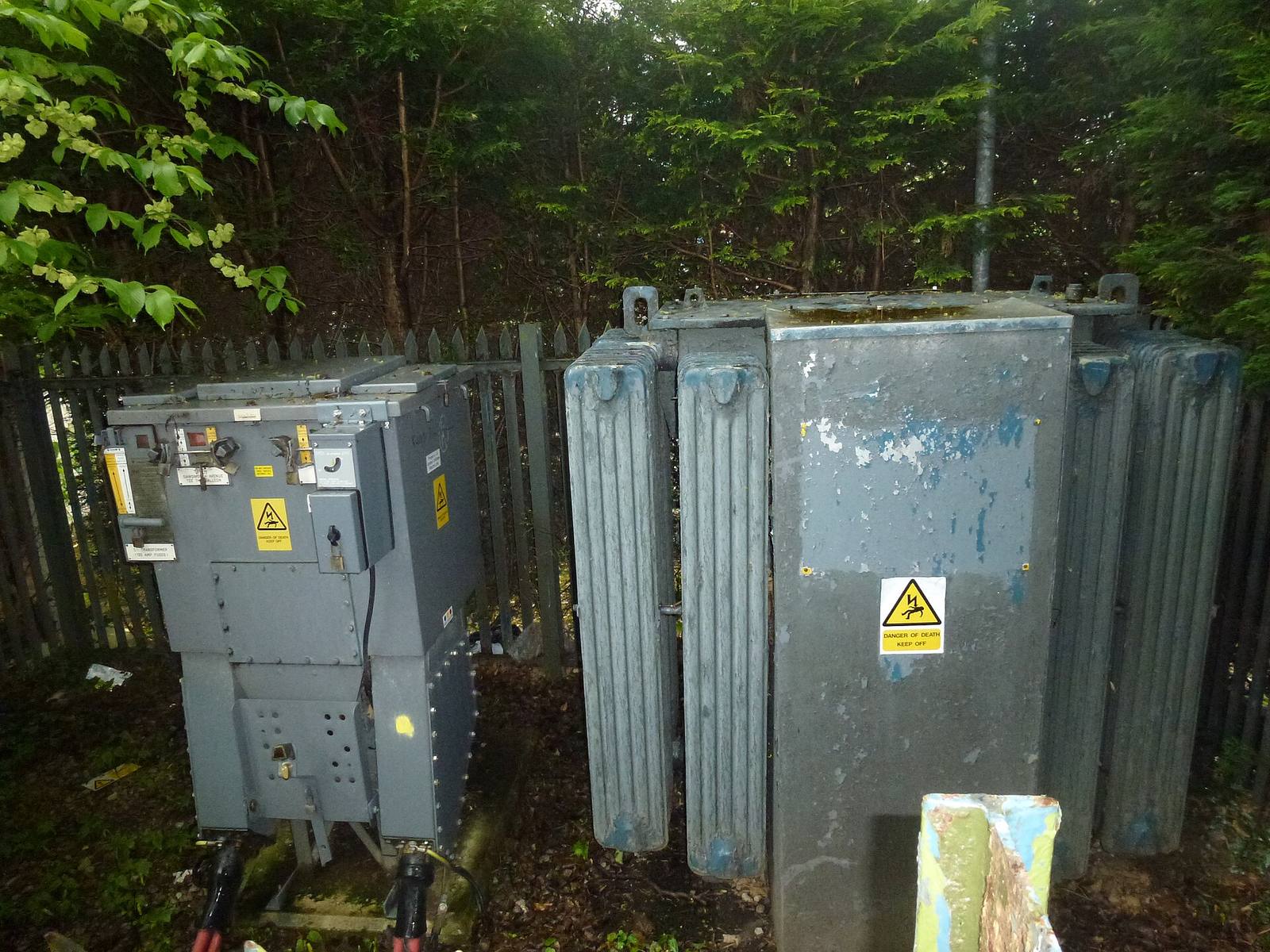
Bitcoin mining sites are built for fast deployment and equally fast relocation. When a farm is retired, sold, moved to a new power contract or upgraded for newer machines, the electrical infrastructure often outlives the mining operation: pad-mounted transformers, container substations, skid-mounted switchgear, breakers, cable and switchboards. We buy that equipment directly and coordinate the staged removal, rigging and freight.
Mining sites are not conventional industrial plants. They may be remote, partially energized, built on leased land, secured by fencing and cameras, and scheduled around utility interconnection dates. Our buying review starts with the equipment list and nameplates, then addresses access, isolation, loading and payment terms so the seller can clear the site without turning the project into an auction.
What We Buy From a Retired or Relocated Mining Farm
The core assets are the transformers and substations that step utility voltage down to the mining containers or halls. That includes pad-mounted transformers, containerized substations, skid-mounted unit substations, medium-voltage switchgear, breakers, disconnect switches, switchboards, panelboards and the cable or busway that connects them. We also evaluate control panels, metering, protective relays and spare breakers when they are part of the package.
Mining equipment is often standardized, which can make a multi-unit package easier to review than a one-off industrial transformer. Send the model or label for each container or skid, the transformer nameplate, the switchgear lineup rating and the number of units. We will separate reusable equipment from items that are damaged, obsolete or better handled as salvage.
- Pad-mounted and container transformers
- Containerized and skid-mounted substations
- Medium-voltage switchgear, breakers and disconnect switches
- Switchboards, panelboards, cable, busway and controls
Fleet Inventory and Nameplate Photos
A mining site may have dozens of similar containers, so a simple inventory is as important as individual photos. List each container or transformer by site ID, serial number, kVA or MVA rating, voltage, manufacturer and condition. Photograph the nameplate, the overall unit, the cable terminations, the cooling fans or radiators, the pad or skid and any visible oil leak or damage. Label the photos with the same ID used in the inventory.
Include a site map or aerial view showing where the equipment sits, the access road, the laydown area and the distance to the loading point. If the site has a one-line diagram, utility service drawing or commissioning record, include it. Do not guess at weight or lifting points; if the container or skid has a manufacturer data plate, photograph it so the rigging plan starts from the actual unit.
- Site ID, serial number, rating and voltage for every unit
- Nameplate, overall, termination and leak photos
- Site map, access road and laydown area
- One-line diagrams, utility drawings and container data plates
Staged Removal From an Active or Partially Live Site
Mining sites are often decommissioned in blocks. Some containers are released while others continue hashing, or the utility service remains energized while the internal distribution is stripped. The removal plan identifies which rows, containers or transformer bays are released, where the isolation points are and how the remaining live equipment will be protected. Your qualified electrical personnel establish the safe condition before anything is disconnected or moved.
Access is a major constraint. Remote sites may have long gravel roads, limited turnaround space, soft ground, cattle guards or security gates. Containers may be stacked, bolted to pads or surrounded by fencing. We plan the sequence around the site's physical limits: which units move first, where they stage, how the crane or forklift reaches them and how the trucks enter and leave without blocking the remaining operation.
- Block-by-block release of containers, rows or transformer bays
- Isolation and lockout/tagout by qualified site personnel
- Protection of adjacent live equipment and cable
- Staging plan for remote access roads and limited turnaround
Rigging, Freight and Remote-Site Logistics
A container transformer or skid substation may weigh far more than it looks, especially with oil, radiators, breakers and cable still attached. We review the data plate, lifting points, pad bolts, foundation condition and the reach of the available crane or forklift. Some units can be moved with a telehandler or yard forklift; others need a crane, jack-and-slide or a specialized trailer.
Freight is matched to the unit and the route. Remote Texas sites may require permits, pilot cars, route surveys or a staging yard before the final delivery. We confirm who loads, who secures, who provides escorts and where the equipment goes after pickup. If the site is being sold or the lease is ending, the removal schedule is built around the date the property must be clear.
- Lifting plan based on data plate, weight and access
- Crane, telehandler, forklift or jack-and-slide as conditions require
- Permits, pilot cars, route surveys and staging yards
- Loading, securement, escort and delivery responsibilities in writing
Payment Terms and Equipment Documentation
Offers are unit-specific and based on inspection. The written terms identify the equipment included, the price, payment timing, title transfer and any conditions such as oil testing, serial-number verification or site release. Payment may be made at pickup or against a signed bill of sale after loading, depending on the scope and the parties' agreement. We do not rely on a verbal number or an informal handshake.
If the equipment is leased, financed or owned by a landlord or investor, tell us before the offer is finalized so the required authorization or lien release can be obtained. Keep the bill of sale, serial-number list and payment record for the site's asset files. If the project is a relocation rather than a retirement, identify which units are moving with the company and which are being sold; that avoids removing equipment the seller still needs.
- Written scope, price, payment timing and title transfer
- Bill of sale and serial-number reconciliation
- Lease, lender or landlord authorization where applicable
- Clear separation of units being relocated and units being sold
Oil, Batteries, E-Waste and Site Restoration
Oil-filled pad-mounted transformers and container substations may require fluid identification, PCB screening or oil testing before transport. Leaks should be photographed and disclosed before pickup, with containment handled according to the site's environmental plan. Batteries, controls, meters and electronic components need a documented destination rather than being left in a pile at the gate.
The purchase agreement identifies which party handles each waste stream and what documentation is required. Site restoration, gravel repair, fence removal, pad demolition and utility disconnect are separate scopes unless expressly included. We coordinate the equipment removal; the seller remains responsible for landowner obligations, permits and restoration unless another written arrangement assigns them.
- Oil testing, PCB screening and leak disclosure
- Battery, control and e-waste destination identified
- Pad, fence, gravel and restoration responsibilities defined
- Utility disconnect and landowner obligations kept separate
Common questions
Do you buy containerized mining substations and skid-mounted transformers?
Yes. Send the container or skid data plate, transformer nameplate, switchgear rating and overall photos. We evaluate the unit as a complete package or as separate equipment. Weight, lifting points, oil content and access determine the rigging plan and the offer.
Can you remove equipment from a farm that is still partially operating?
Yes, with a block-by-block plan. The site identifies which containers or rows are released and which remain live. Qualified electrical personnel isolate and release the equipment before removal. The schedule accounts for security, access roads and the remaining operation.
Do you handle rigging and freight to a remote Texas site?
We coordinate the agreed rigging and freight scope, including crane or forklift selection, loading, securement and route requirements. Remote sites may need permits, pilot cars or a staging yard. The written terms identify who provides each part of the logistics.
What if the transformers have no test records?
Send the nameplates, overall photos and any available operating history. Offers are based on inspection and condition, not on a promise that every unit will test perfectly. Oil testing, winding checks or other inspection can be made a condition of the final terms.
What payment terms apply to a mining farm package?
Terms are unit-specific and documented before release. Payment may be made at pickup or against a signed bill of sale after loading and serial-number reconciliation. Any testing condition, holdback or lien-release requirement is stated in writing.
Reviewed by the Texas Electrical Transformer Buyers buying desk · Last updated November 13, 2026