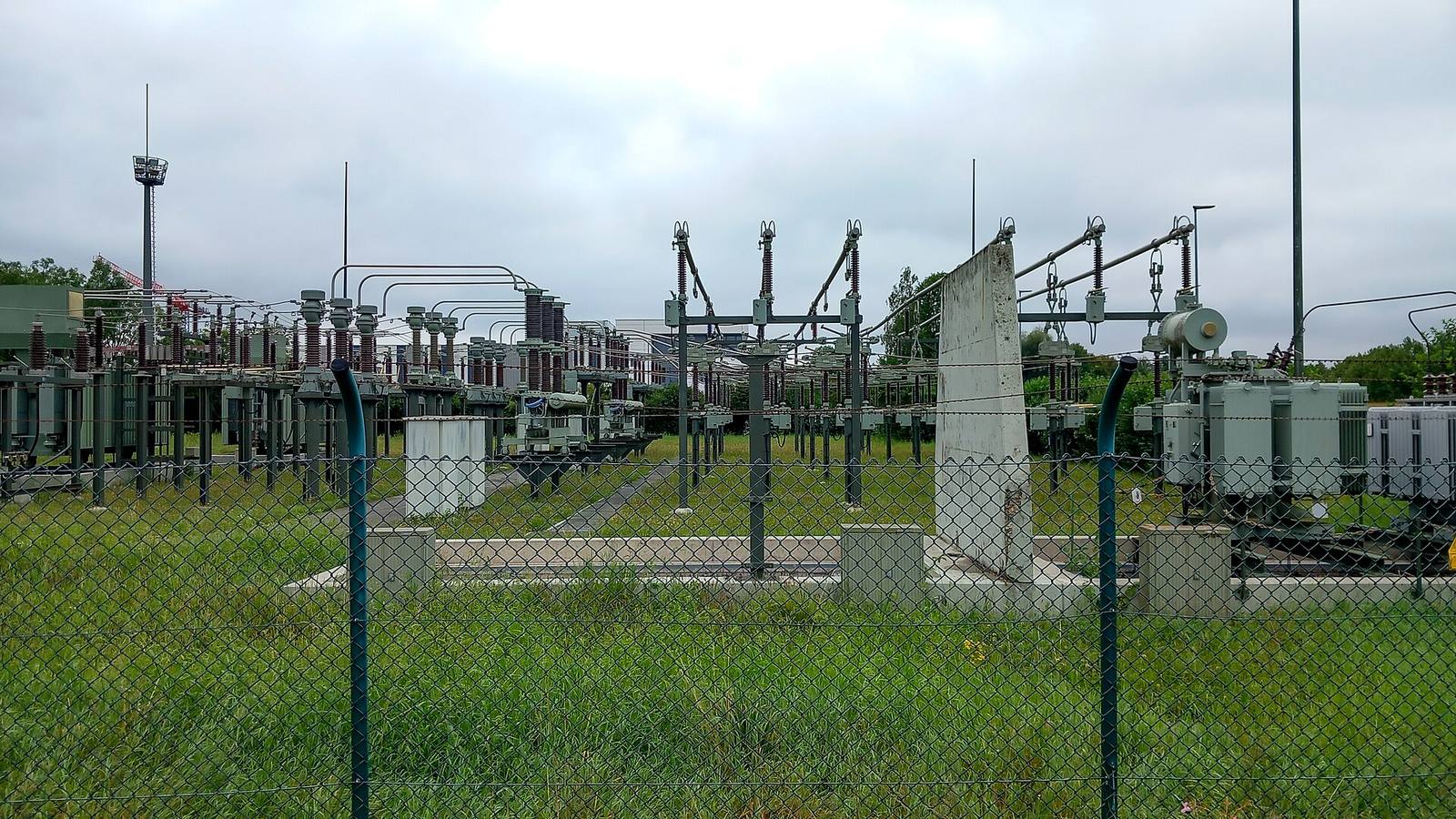
A data center decommissioning is rarely a single pickup. It is a sequence of electrical rooms, white spaces, mechanical yards and substations that have to be cleared without disrupting the equipment that is still running. We buy the transformers, switchgear, UPS systems, PDUs and substation equipment that come out of that sequence, and we build the purchase around the way the facility actually has to be taken apart.
Our role is as a direct buyer, not a broker or a listing service. We review the asset list and nameplates, make an offer on the equipment we can use, and coordinate the agreed rigging, loading and freight scope. Your electrical contractor or facilities team controls isolation and disconnection. The result is a documented equipment sale that fits the decommissioning schedule instead of competing with it.
What We Buy From a Retired or Upgraded Data Center
Data centers concentrate several kinds of electrical equipment in a small footprint, and each category has a different resale path. We evaluate dry-type and K-rated transformers that fed IT load, pad-mounted and unit-substation transformers at the service entrance, medium-voltage switchgear, UPS modules and their associated batteries, PDUs, busway, automatic transfer switches and the substation gear that connects the campus to the utility.
Not every item needs to be a large power transformer to have value. K-rated dry-types, isolation transformers, copper busway sections, breakers, protective relays, metering packages and intact PDUs can all be part of a package. Send the asset list even if some items are uncertain; we will separate the equipment we can buy from the items that are better handled by a scrap or e-waste vendor.
- Dry-type, K-rated, isolation and pad-mounted transformers
- Medium-voltage and low-voltage switchgear, breakers and relays
- UPS modules, battery systems, PDUs, busway and transfer switches
- Unit substations, pad-mount gear and utility interconnection equipment
Nameplate Photos and the Asset List Come First
The fastest way to start is a room-by-room asset list with nameplate photographs. For each transformer, photograph the full nameplate, the overall unit, the terminal compartment and any visible damage. Record the manufacturer, serial number, kVA or MVA rating, primary and secondary voltage, winding material if shown, cooling class and approximate age. For switchgear and UPS equipment, photograph the lineup labels, breaker ratings, module labels and the room or lineup as a whole.
A one-line diagram, equipment schedule or commissioning binder is valuable even if it is marked as-built or preliminary. It helps us understand what was connected to what and which items are practical to remove together. Do not guess at weight or lifting points. If drawings are available, include them; if not, say so and provide dimensions and access photos so the rigging review can start from facts.
- Nameplate and overall photos for each major unit
- Serial numbers, ratings, voltage classes and approximate age
- One-line diagrams, equipment schedules and room layouts
- Photos of doors, ramps, elevators, docks and the path to the loading area
Staged Removal in an Occupied or Partially Live Building
Most data center projects are phased. One hall or row is released while adjacent equipment remains energized, or the building is being converted while the shell and utility service stay in place. The removal plan has to respect those boundaries. We work from a written sequence that identifies which rooms are released, which circuits are isolated, where the loading zone is and what hours the building allows for noisy or heavy work.
Small equipment may be crated and moved through passenger or freight elevators; large transformers and switchgear may require door removal, wall openings or a crane pick over the building. We coordinate the agreed scope with your general contractor, rigging company and facilities team. Your qualified electrical personnel establish the disconnected and safe condition before any equipment is released for handling.
- Phased release by hall, row, room or electrical lineup
- Written isolation and release sequence before rigging
- Crating and protection for PDUs, modules, relays and small gear
- Loading-zone, elevator, dock and work-hour coordination
Rigging, Freight and Loading
Data center equipment is not always where a crane can reach it. A transformer in a basement, a switchgear lineup behind a loading dock or a UPS room at the end of a narrow corridor may need a different plan from a pad-mounted unit in an open yard. We review floor loading, door clearances, turning radius, elevator capacity, overhead obstructions and the distance to the loading area before scheduling equipment and crews.
Freight is matched to the equipment and the route. Small items can move by van or LTL; transformers and switchgear may need a flatbed, step-deck, drop-deck or multi-axle trailer. We confirm loading responsibility, securement, permits, escorts and delivery or storage location as part of the written scope. If the equipment is going to a storage yard first, we identify who controls access and who is responsible for damage after delivery.
- Rigging plan based on weight, access and lifting points
- Crane, forklift, pallet jack or elevator move as conditions require
- Flatbed, step-deck, drop-deck or specialized trailer selection
- Permits, escorts, securement and storage handoff identified in writing
Payment Terms, Title and Documentation
Offers are unit-specific and based on inspection. Once the equipment scope and removal responsibilities are agreed, we document the purchase price, payment timing, title transfer, bill of sale and any conditions such as oil testing, access approval or proof of ownership. Payment terms are written before release; common arrangements include payment at pickup or against a signed bill of sale after the equipment is loaded and released.
We do not ask a seller to rely on a verbal number. The paperwork identifies what is included, what is excluded, who handles freight and when title passes. If a lender, landlord, bankruptcy trustee or corporate asset-disposal group has an interest in the equipment, tell us early so the required lien release or authorization can be included. Keep the signed bill of sale for your fixed-asset records and any insurance or audit trail.
- Written offer with equipment scope and exclusions
- Payment timing and method documented before release
- Bill of sale, title transfer and lien-release coordination
- Serial-number reconciliation at loading
Safety, Data Security and Environmental Handoff
Decommissioning a data center also means handling batteries, capacitors, oils, refrigerants and electronic waste that may carry data-bearing components. We coordinate the equipment purchase and removal scope, while the facility remains responsible for data sanitization, access control and any regulated waste streams unless a separate written arrangement assigns them. Do not release drives, management modules or storage devices to a buyer without your security team's approval.
Oil-filled transformers may require fluid identification, PCB screening or oil testing before transport. UPS batteries, capacitors and e-waste need a documented destination. Our agreement identifies which party handles each stream and what documentation is required. Safety on site follows the facility's contractor orientation, lockout/tagout, PPE and hot-work rules; our crews work to those rules and do not treat a purchase as permission to bypass them.
- Data-bearing devices separated before equipment release
- Oil testing, PCB screening and fluid documentation as needed
- Battery, capacitor and e-waste destination identified
- Site orientation, lockout/tagout, PPE and insurance requirements
Common questions
Do you buy UPS systems and PDUs, or only transformers?
We evaluate UPS modules, PDUs, busway, switchgear and transformers as a package or separately. The value of each item depends on rating, condition, age, documentation and removal cost. Send the labels and lineup photos; we will identify which items fit the purchase and which are better handled through a specialized e-waste or battery vendor.
Can you remove equipment while part of the data center is still operating?
Yes, with a written phased plan. Adjacent live equipment, shared busway, fire suppression, security zones and building access all affect the sequence. Your qualified electrical personnel isolate and release the equipment; our rigging and freight scope starts after that release. We schedule around the facility's work-hour and access rules.
Do you handle rigging and freight, or does the seller?
Either arrangement is possible, but it must be written into the offer. We can coordinate rigging, crating and freight as part of the purchase, or work with your contractor if the site requires a preferred vendor. The agreement identifies who provides equipment, permits, escorts, insurance and loading supervision.
What payment terms do you use for a data center package?
Terms are unit-specific and documented before release. Depending on the scope, payment may be made at pickup or against a signed bill of sale after loading and serial-number reconciliation. Any holdback, testing condition or lien-release requirement is stated in the written terms rather than agreed verbally.
Do you buy data center equipment outside Texas?
Our focus is Texas, including the DFW, Austin, Houston, San Antonio and border markets. Out-of-state packages are evaluated case by case, especially multi-unit projects with a defined removal plan. Send the location, asset list and schedule so coverage and logistics can be reviewed.
Reviewed by the Texas Electrical Transformer Buyers buying desk · Last updated November 13, 2026