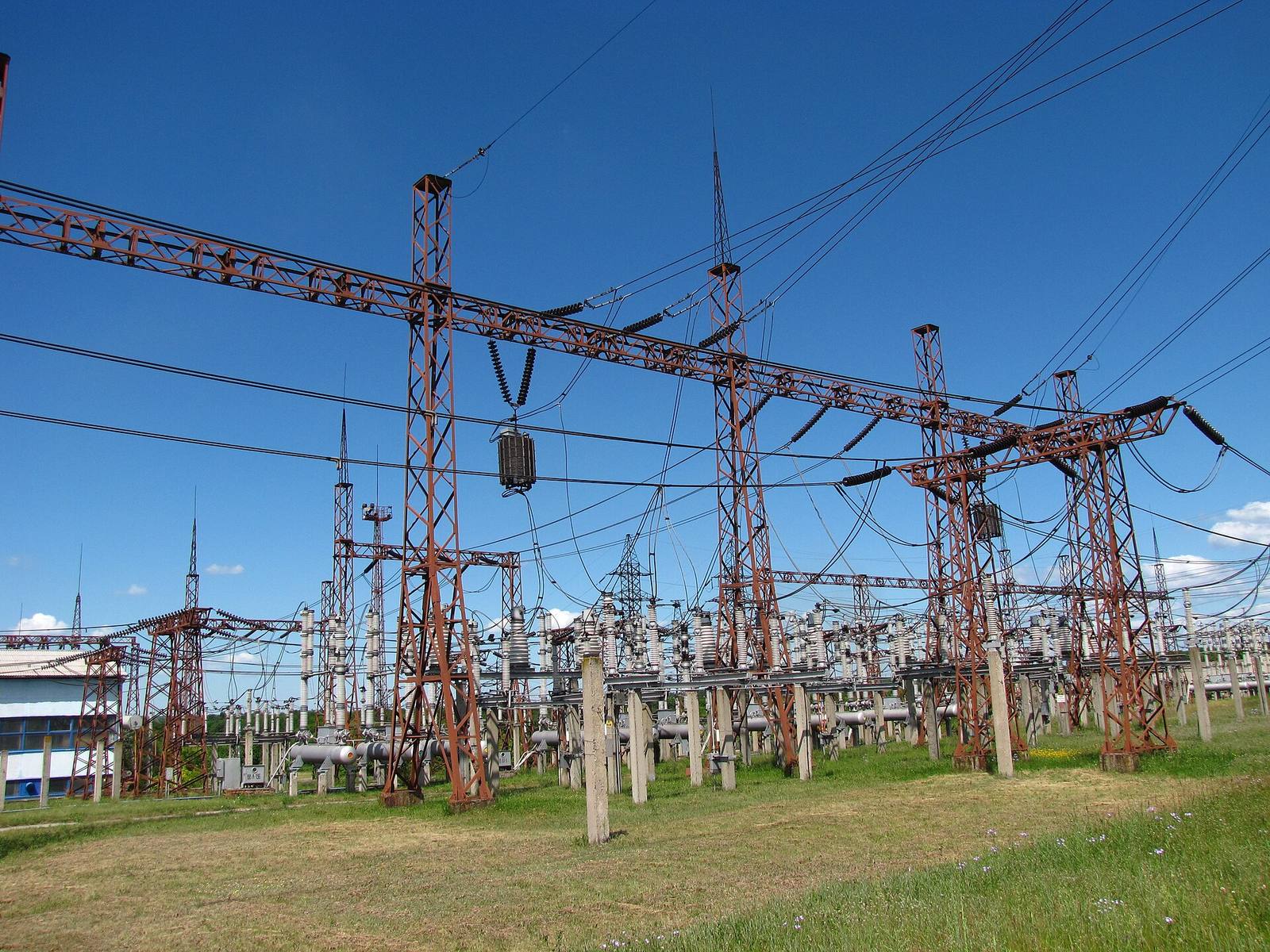
If you plan to sell pole-mounted transformers in Dallas, establish ownership and removal status before arranging equipment handling. Texas Electrical Transformer Buyers purchases used and surplus overhead distribution units for cash. Whether your equipment comes from a line rebuild or an industrial service change, we need its ratings, tank condition and a clear description of how it will leave the site.
Identify Each Overhead Distribution Unit
Pole-mounted transformers typically cover 10 to 500 kVA and may serve single-phase or three-phase distribution. Photograph each nameplate closely enough to read the capacity, voltage ratings and identifying information. For units connected as a bank, distinguish the individual transformers from the bank arrangement. Do not assume that matching tank sizes mean matching electrical ratings or the same internal configuration and condition.
Show the tank, bushings, mounting brackets and accessible connection points from a safe position. Report leaks, dents, corrosion, damaged bushings and any known fault history. Oil documentation and maintenance records are useful when available, especially if fluid condition is uncertain. Our evaluation considers the complete unit and its inspection findings rather than treating every overhead transformer as interchangeable equipment with equal value.
- Capacity
- Voltage
- Bushings
- Brackets
Define Line Clearance and Lifting Access
Removing an overhead transformer requires more than identifying its weight. A qualified crew must address electrical isolation, line clearance and controlled lowering, often using a bucket truck or crane. Describe pole or platform height, vehicle access and nearby energized conductors. For Dallas manufacturing or distribution properties, explain whether loading lanes, traffic or operating equipment restrict the area beneath the transformer.
If the units are already on the ground, tell us how they were removed and where they are staged. Provide photographs of the support surface, lifting points and any damage that occurred during handling. If they remain installed, distinguish planned work from completed work. Removal responsibilities and transportation arrangements need agreement before a transaction; do not assume that purchasing the equipment includes line work.
- Isolation
- Height
- Rigging
- Access
Prepare Rebuild Surplus for Evaluation
Utility rebuilds, co-op upgrades and rural industrial line changes can produce groups of surplus overhead units. Supply a unit list that ties each rating and condition note to its own photograph. Dallas County owners should also confirm authority to sell equipment located on their property. A transformer serving your building may belong to a utility rather than to the property owner.
For projects supporting healthcare, data center or airport-area operations, describe the actual removal restrictions rather than relying on the site category. Restricted access and continuing service can affect handling plans, but they do not establish transformer condition. Explain whether each unit was working when disconnected, how long it has been stored and whether any accessories are missing. Offers remain unit-specific and based on inspection.
- Authorization
- Records
- Storage
- Completeness
Common questions
Can I sell a transformer that is still mounted on a pole?
An installed unit can be submitted for evaluation, but its ownership, electrical status and removal requirements must be clear. Supply photographs taken from a safe location and any available nameplate records. Qualified personnel must manage isolation and overhead handling. The purchase discussion should establish who handles removal and loading before work begins; an offer does not authorize you to disconnect utility equipment.
How should I document a three-transformer bank?
List all three units separately, including each kVA rating, primary and secondary voltage, serial number when readable, and known condition. Add a description of the bank connection if documented. Include photographs linking each tank to its nameplate. This prevents a combined bank rating from being mistaken for an individual unit rating and allows us to evaluate differences within the group.
Reviewed by the Texas Electrical Transformer Buyers buying desk · Last updated November 13, 2026