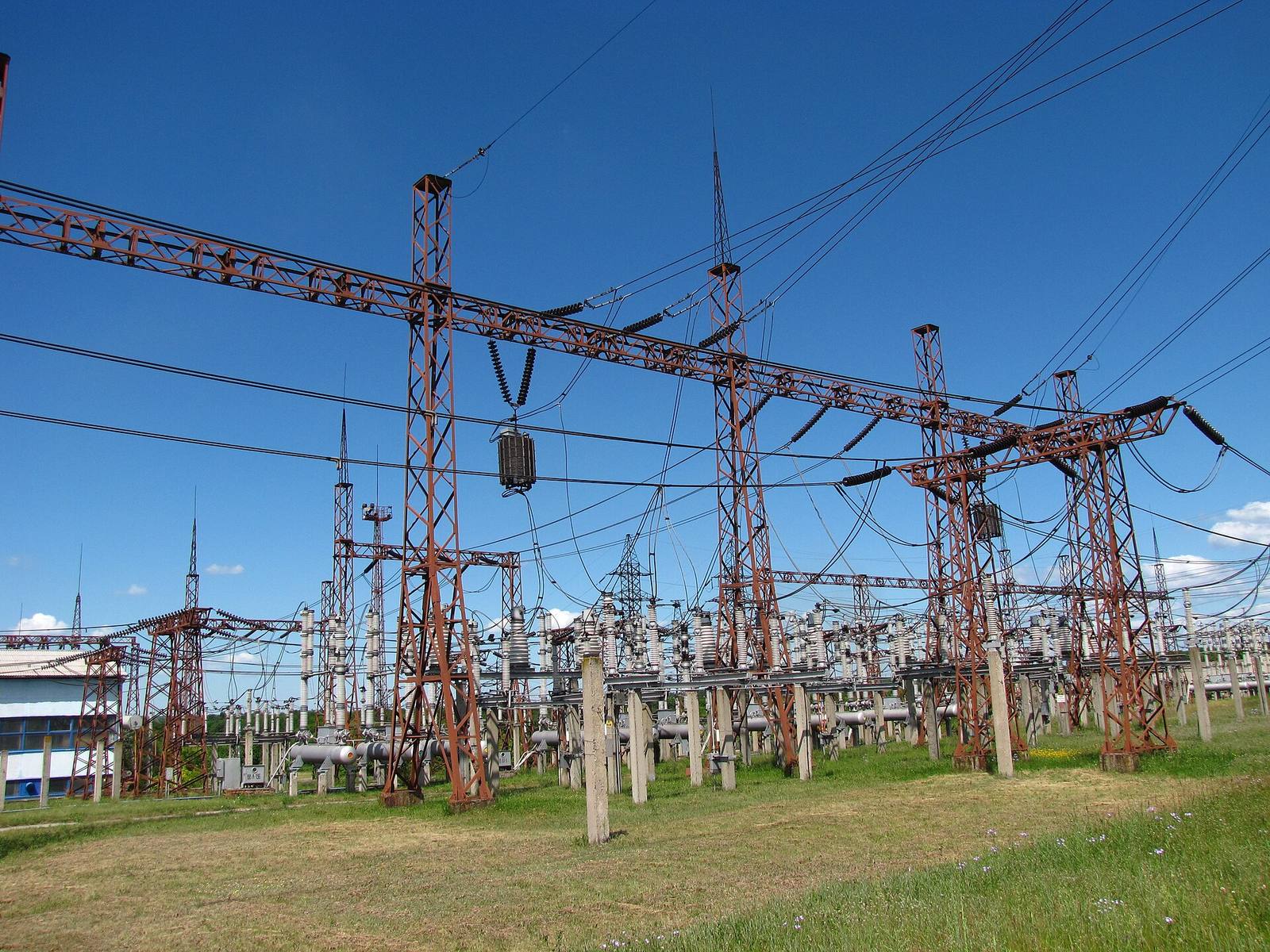
Owners planning to sell pole-mounted transformers in El Paso should separate equipment identification from overhead removal planning. These units may support industrial distribution around manufacturing, refining, or border logistics operations, but their location alone does not establish ownership. We buy surplus and used transformers for cash after reviewing the unit, its condition, and the practical requirements for inspection and removal.
Document Each Unit or Transformer Bank
Pole-mounted distribution transformers typically range from 10 to 500 kVA and may be single-phase or three-phase. Photograph each nameplate separately when selling several units or a transformer bank. Record primary voltage, secondary voltage, capacity, serial number, and connection information where available. A photograph of the complete installation helps explain how the individual transformers relate to the overhead distribution arrangement.
Surplus equipment can come from utility rebuilds, co-op upgrades, or changes to rural industrial lines. Identify whether your units are still mounted, already lowered, or stored in a yard. Include visible tank damage, corrosion, missing bushings, leaks, and mounting hardware condition. Avoid treating similar-looking cans as identical; differences in voltage and capacity can materially change the evaluation of a group.
- Capacity
- Voltage
- Phase
- Quantity
Clarify Ownership and Oil Information
A transformer located on your property may belong to the serving utility rather than the property owner. Before offering it for sale, confirm who owns the equipment and who has authority to release it. This matters for distribution serving El Paso County industrial property, including facilities connected with maquiladora activity or operations near Fort Bliss, just as it does elsewhere.
For liquid-filled overhead equipment, provide any available oil analysis, fluid identification, and PCB documentation. Report leakage or a known electrical failure plainly rather than describing the transformer as working without supporting information. If records are missing, say so. Oil condition and regulatory handling requirements can affect inspection, transportation, and whether a particular unit is suitable for a purchase offer.
- Ownership
- Release
- Fluid
- Leaks
Plan Safe Overhead Removal
Removing an installed pole-mounted transformer generally requires a bucket truck or crane, appropriate line clearance, and coordination with qualified electrical personnel. Tell us the mounting height, estimated weight, pole or platform arrangement, and whether neighboring lines remain energized. Photographs taken from a safe ground position can show access constraints without requiring anyone to approach conductors or climb the supporting structure.
Border logistics sites may have traffic or controlled access that complicates positioning lifting equipment. Describe driveway width, overhead obstructions, ground conditions, and the available staging area. Explain which party is responsible for isolation, disconnection, and lowering before the transaction proceeds. Our cash offer is specific to the inspected equipment; removal assumptions should be settled rather than left implicit in the sale.
- Clearance
- Lifting
- Staging
- Disconnection
Common questions
Can I sell transformers that are still attached to a pole?
Installed units can be submitted for review, but ownership, electrical isolation, and safe removal must be addressed before transfer. Send ground-level photos, readable nameplates if already available, and information about access. Do not climb the pole to obtain details. The removal scope and responsible parties need agreement before any lifting or disconnection takes place.
How should I present a mixed lot of overhead transformers?
Create a simple list with one entry per transformer showing kVA, voltages, phase, serial number, and condition. Match each entry to its photographs and flag units with leaks, missing parts, or unknown operating history. A mixed lot can be reviewed together, but the offer still depends on the characteristics and inspection of the individual equipment.
Reviewed by the Texas Electrical Transformer Buyers buying desk · Last updated November 13, 2026