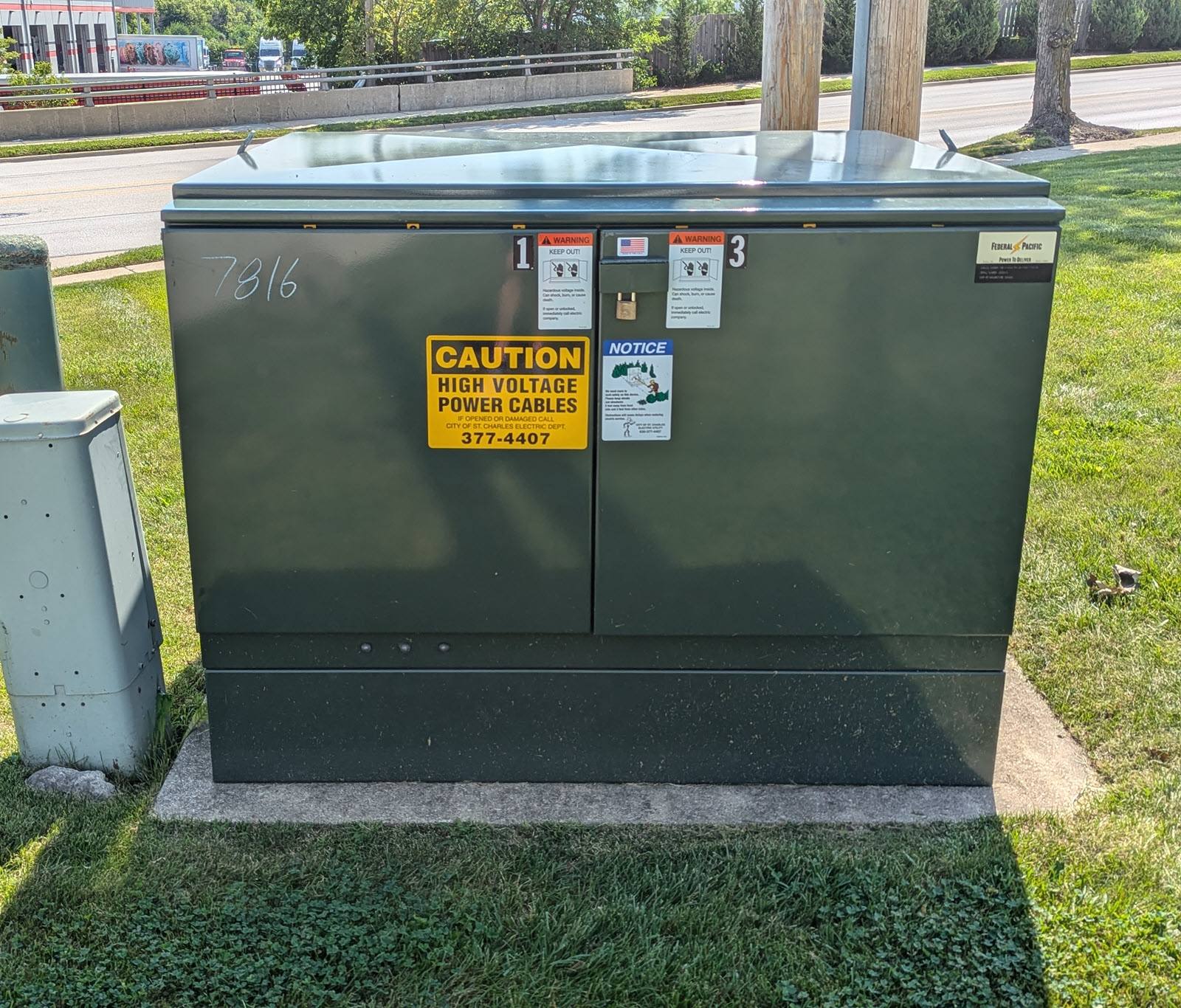
Pad-mounted equipment released by an Austin campus upgrade or technology-site electrical change deserves a review tied to its actual specifications. Texas Electrical Transformer Buyers purchases surplus and used transformers for cash. Owners and authorized facility managers can begin with nameplate photographs, operating history and access details, whether the unit serves a government property, semiconductor operation, data center or other commercial installation.
Match the Nameplate to the Application
These distribution transformers typically have dead-front connections inside tamper-resistant cabinets installed on concrete pads. Common ratings run from 15 to 2,500 kVA, usually in the 15 kV class, with single-phase and three-phase designs. Record the actual primary and secondary voltages rather than inferring them from the building service. Include capacity, impedance and manufacturer information so the equipment can be evaluated accurately.
Austin’s technology and semiconductor context makes precise configuration details especially useful, but the facility category does not determine the transformer’s value. Describe whether the unit supported general building distribution or a particular process load. Provide documentation of installed accessories and any changes made during service. If several transformers are available, identify each separately instead of treating similar-looking cabinets as electrically interchangeable equipment.
- Primary voltage
- Secondary voltage
- Accessory documentation
- Separate unit identification
Assess Cabinet and Connection Condition
Cabinet integrity matters because the enclosure protects connections and restricts access to energized components. Note damaged hinges, missing locks, corrosion and evidence of impact. Record leaks or repairs without opening an energized compartment for inspection. Exterior photographs and existing maintenance reports can establish the initial review. Any closer examination must follow the site’s electrical safety procedures and be performed by qualified personnel.
Explain the condition of cable compartments and termination equipment using records or safely obtained photographs. A transformer retired during a University of Texas campus change may present different access constraints than one stored after a commercial renovation; neither circumstance substitutes for condition evidence. State why the unit became surplus, when it last operated and whether testing or maintenance findings identified any unresolved electrical problems.
- Door and hinge condition
- Leak observations
- Termination records
- Retirement reason
Separate Equipment Sale from Site Work
A concrete pad can be reachable on foot yet unsuitable for straightforward lifting. Bollards, fences, narrow driveways and adjacent equipment may limit removal access. Government and campus properties can also have controlled entry requirements. Provide photographs of the entire approach, not just the cabinet, and identify whether barriers may be removed. Include the transformer’s dimensions and weight when that information is available.
Confirm who will isolate the transformer, disconnect cables and release the work area before physical handling begins. Do not include site-owned wiring or protective barriers in the equipment sale unless specifically agreed. We consider the complete transaction scope when evaluating a purchase. Offers are unit-specific and based on inspection, with electrical ratings, documented condition and practical removal requirements reviewed together rather than through a standard capacity formula.
- Approach photographs
- Bollard clearance
- Disconnection responsibility
- Property access rules
Common questions
Can you review a spare transformer that was never installed?
An unused spare can be submitted for evaluation, but storage condition still matters. Provide its nameplate, purchase or equipment records if available, and photographs of the cabinet and accessible exterior components. Explain where it was stored and whether it experienced moisture, impact or missing parts. An unused designation alone does not establish condition or determine an offer.
Do bollards need to be removed before I request an evaluation?
No preliminary barrier removal is necessary just to describe the equipment. Send photographs and measurements showing the available clearance, and identify who can authorize changes to the site. Whether bollards or fencing must be removed depends on the handling plan. Any agreed site work should be defined before removal, not undertaken simply to obtain an initial review.
Reviewed by the Texas Electrical Transformer Buyers buying desk · Last updated November 13, 2026