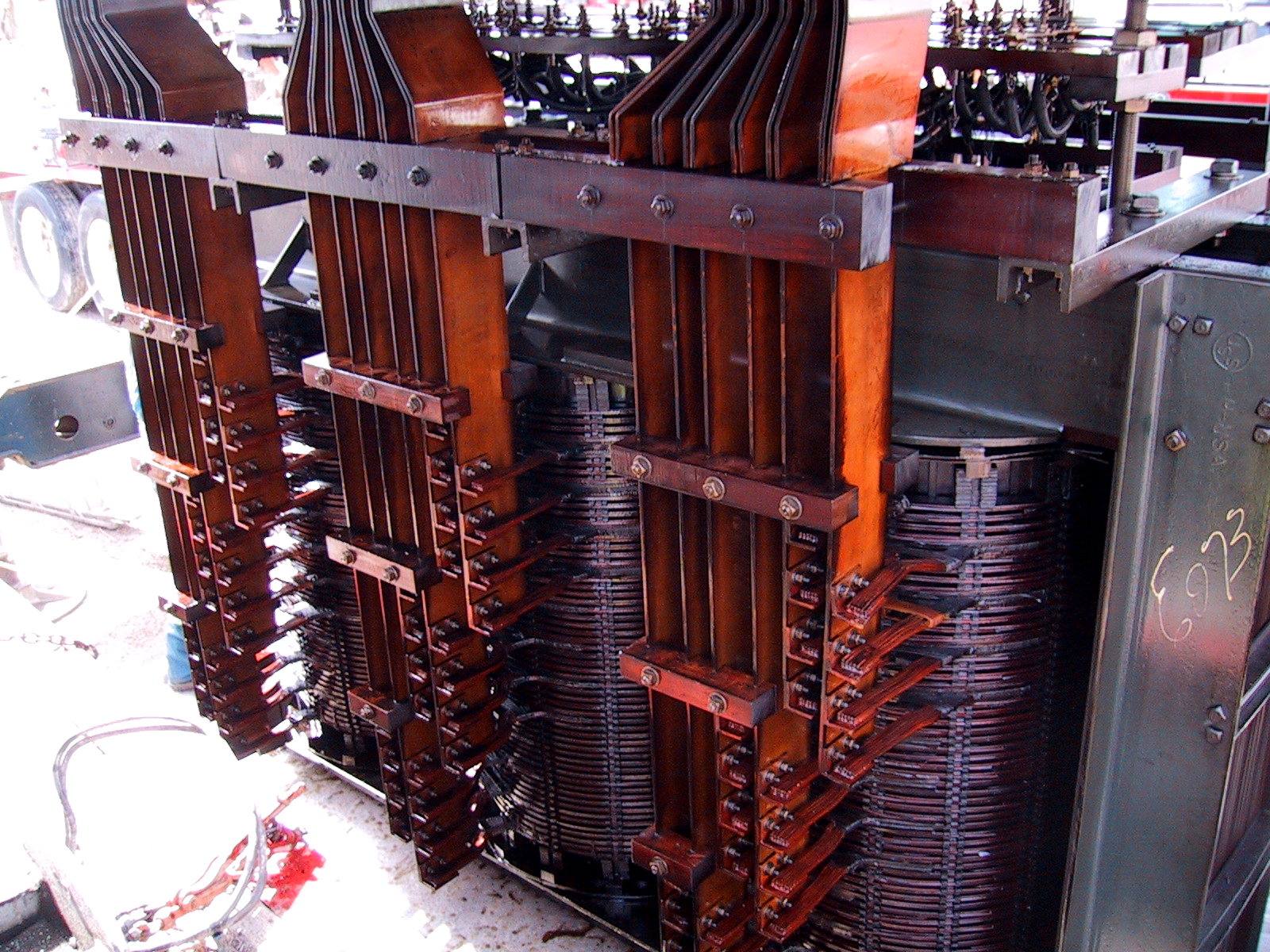
A failed or obsolete transformer can still have recoverable material, but selling it requires more than estimating its weight. Texas Electrical Transformer Buyers evaluates transformer scrap and salvage purchases for owners clearing equipment from plants, commercial properties, and storage yards. We buy the equipment rather than sell replacement units. Our review considers copper or aluminum windings, core steel, remaining oil, condition, and the work required to recover and remove those materials responsibly.
Selling Transformers That Are Beyond Practical Reuse
This buying service is for equipment owners, maintenance managers, demolition contractors with selling authority, and others responsible for transformers that no longer belong in service. Burned windings, damaged bushings, obsolete ratings, or prolonged outdoor storage may make reuse impractical. Those conditions do not automatically determine the purchase outcome. We examine the available information to understand what remains recoverable and which handling requirements affect the transaction.
Describe why the transformer was retired and whether anyone has already removed components. A complete assembly presents a different recovery task than a tank with missing windings or loose cores stored separately. Photos should show the overall unit, nameplate, accessible connections, leaks, and surrounding work area. Do not open tanks or disturb electrical connections simply to improve the submission; provide existing records and safely obtainable images instead.
- Failed or obsolete equipment
- Complete or partially dismantled units
- Copper or aluminum winding information
- Known damage and missing components
How We Evaluate a Salvage Purchase
The first step is identifying the unit and its current condition. Send its kVA or MVA rating, voltage information, approximate dimensions, weight if known, and whether it is dry-type or liquid-filled. We then review recovery potential alongside access, lifting, transportation, and material-handling requirements. An offer is unit-specific and based on inspection, not a blanket assumption that every transformer of a particular size has the same salvage value.
After that review, we establish the proposed purchase scope and identify information that still needs verification. The agreement should distinguish the transformer itself from associated switchgear, cables, concrete, or other property. It should also address who disconnects the equipment, who prepares it for lifting, and what materials are included. Resolving those boundaries before mobilization helps prevent disagreements when crews arrive or dismantling reveals a different configuration.
- Nameplate and condition review
- Recovery and handling assessment
- Inspection-based purchase offer
- Defined equipment and work boundaries
Responsible Recovery of Metal and Remaining Oil
Copper windings, aluminum conductors, and core steel require different recovery considerations, and their presence should not be guessed from exterior size alone. Oil-filled equipment adds another layer of handling. Existing oil test reports, maintenance records, and contamination information help determine the appropriate recovery route. If the contents or history are uncertain, testing requirements must be resolved before draining, opening, or transporting the unit under the agreed purchase plan.
Material recovery is planned around the equipment's actual condition and applicable handling requirements. Free liquids, damaged tanks, and contaminated components cannot simply be treated as ordinary clean metal. We coordinate the agreed recovery arrangements and clarify which records will accompany the transaction. Keep containment measures in place until responsibility transfers, and tell us about any active leak before pickup planning so the removal method accounts for that condition.
- Separate metal recovery considerations
- Oil history and test records
- Leak and containment disclosure
- Agreed handling documentation
Scheduling Pickup Around Your Site Requirements
Removal timing depends on inspection, electrical isolation, access readiness, equipment availability, and any oil-related requirements. Share your shutdown window, demolition schedule, or lease turnover deadline when you submit the unit. We assess whether the proposed purchase and removal sequence can fit those constraints. A target date remains subject to the necessary preparations; equipment should not be promised for pickup while its isolation or ownership status is unresolved.
Coverage is evaluated using the actual pickup location and job conditions rather than an assumed service radius. Include the city and state, loading access, overhead restrictions, ground conditions, and whether the transformer can be reached by a truck or lifting equipment. If it sits inside a building or behind other machinery, explain the exit route. These details let us evaluate the full recovery job before agreeing to purchase and removal terms.
- Pickup location and access
- Shutdown or clearing deadline
- Lifting and loading constraints
- Readiness confirmed before mobilization
Common questions
Can I sell a transformer with burned windings or missing parts?
We can evaluate damaged and incomplete transformers for a salvage purchase. Tell us what failed, what has been removed, and whether the remaining assembly contains oil. Include photos of the unit and any separately stored components. Missing material, contamination, and additional handling can affect the offer, which is specific to the equipment and based on inspection.
Should I drain the oil before offering the transformer?
Do not drain it solely to prepare for a sale without an agreed handling plan. The oil's condition, testing history, and applicable requirements influence how it should be managed. Send any existing laboratory reports and disclose leaks. We can then coordinate the necessary review and establish whether draining is appropriate, who will perform it, and how the resulting material will be handled.
Do you value the transformer only by its total weight?
Total weight is useful for logistics, but it does not establish a purchase offer by itself. Winding material, recoverable components, remaining liquids, equipment condition, and removal costs all matter. A heavy transformer with difficult access or contaminated contents may require substantially different work than a similarly sized clean unit. We review those factors before setting inspection-based purchase terms.
Reviewed by the Texas Electrical Transformer Buyers buying desk · Last updated November 13, 2026