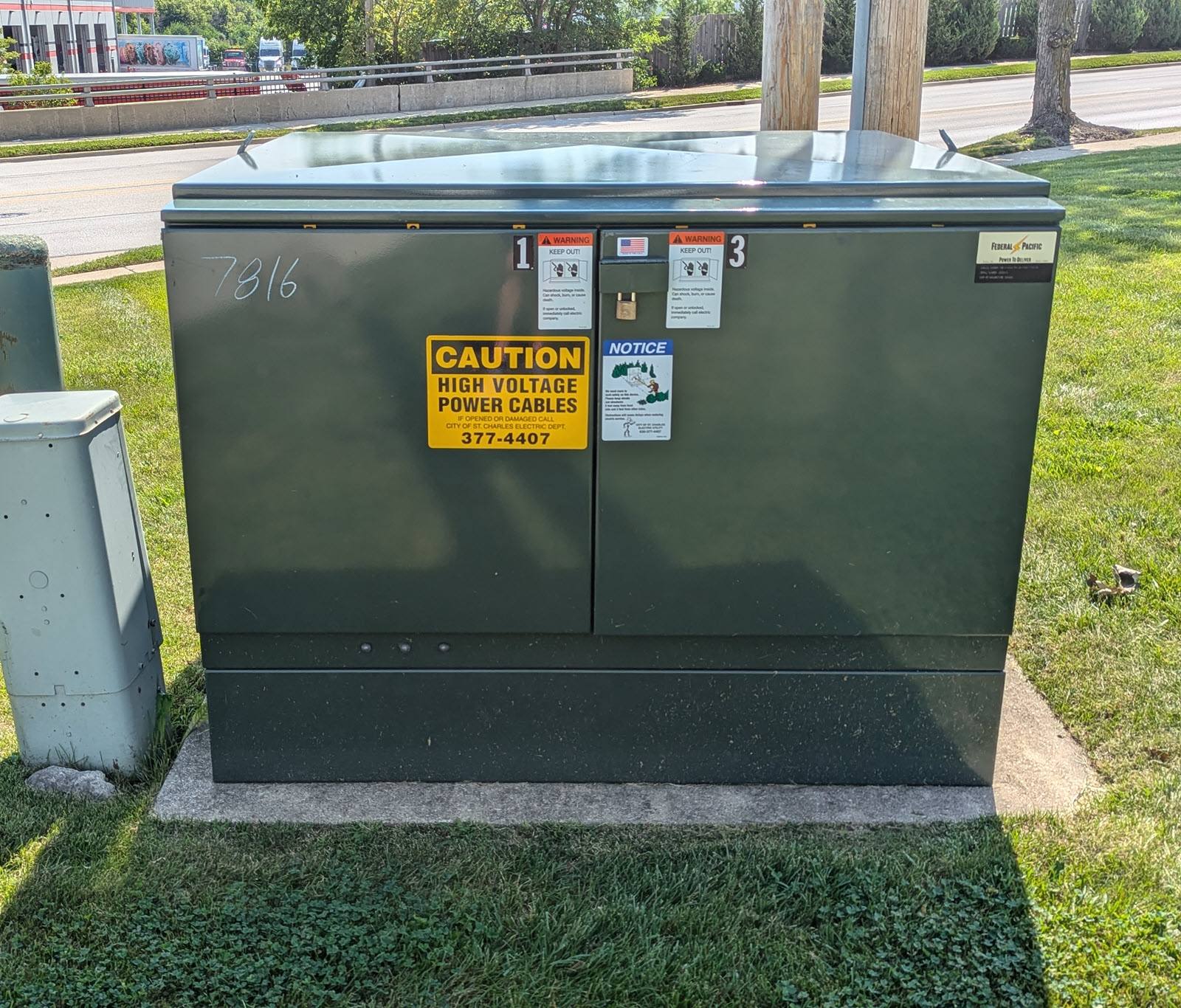
A surplus distribution transformer at a Lake Charles industrial property needs a practical sales review, especially when it remains inside a controlled operating area. LNG terminals, refineries, petrochemical plants and properties associated with the Port of Lake Charles can present different access requirements. Texas Electrical Transformer Buyers buys used and surplus pad-mounted units for cash, considering equipment condition and removal constraints before establishing purchase terms.
Show the Distribution Configuration
Pad-mounted transformers are dead-front, tamper-resistant distribution units installed on concrete pads. Typical equipment falls within the 15 kV class and approximately 15 to 2,500 kVA, in single-phase or three-phase designs. Submit readable ratings and voltage information from the nameplate. Describe the load previously served so we can review the actual configuration rather than infer specifications from the surrounding industrial property.
Photograph the cabinet on all accessible sides and note damaged doors, corroded surfaces or missing locks. Existing documentation of cable compartments and connections is useful, but obtaining it must not compromise electrical safety. Disclose known leaks and any components removed during retirement. A complete exterior record helps establish what requires closer inspection before a unit-specific purchase offer can be made responsibly.
- Phase
- Voltage
- Doors
- Leaks
Clarify Process-Service Retirement
At refinery or petrochemical properties, distribution equipment may become surplus because a supporting load changes rather than because the transformer fails. State the retirement reason and whether the unit was operating when disconnected. If it served an LNG-related property or a port-associated operation, identify its electrical role without sharing sensitive process information that is unnecessary for our initial equipment purchase review.
Maintenance records, test reports and repair descriptions help distinguish an intact spare from equipment with unresolved problems. Explain abnormal trips, overheating or suspected internal damage directly. Also tell us how long the transformer has been stored and whether it remains protected against unauthorized access. We assess those facts alongside physical inspection; an industrial service history alone does not establish remaining condition.
- Service
- Retirement
- Records
- Storage
Coordinate Access to the Concrete Pad
Removal begins with safe isolation and cable termination work performed by qualified personnel. Let us know whether the transformer remains connected, whether cable ends must be preserved and whether the pad sits within a fenced area. Bollards or fence sections may restrict lifting access. Include photographs that show the surroundings, not just the cabinet, so those constraints are visible during review.
Controlled industrial sites may require approved access procedures and coordinated work areas. Describe applicable restrictions without assuming every Lake Charles property has the same requirements. Provide available weight information, lifting clearances and the route to a loading location. We consider those details before finalizing a purchase, while electrical disconnection and site-specific safety requirements remain matters for qualified personnel and the site operator.
- Isolation
- Fencing
- Clearances
- Access
Common questions
What information should I send for a unit inside a restricted industrial site?
Start with nameplate photographs, exterior views, operating status and a description of removal access. Explain visitor, vehicle or contractor restrictions that could affect inspection and collection. You do not need to provide confidential process drawings for the initial review. We need enough information to assess the transformer and identify practical access requirements before discussing purchase terms.
Can a pad-mounted transformer with an oil leak still be considered?
A leak does not automatically end the evaluation, but its location and extent need to be disclosed. Send safe exterior photographs and any available repair or oil-condition records. Follow your site's procedures for containment and environmental handling. We assess the transformer as presented, and any offer depends on inspection rather than an assumption that the leak is minor.
Reviewed by the Texas Electrical Transformer Buyers buying desk · Last updated November 13, 2026