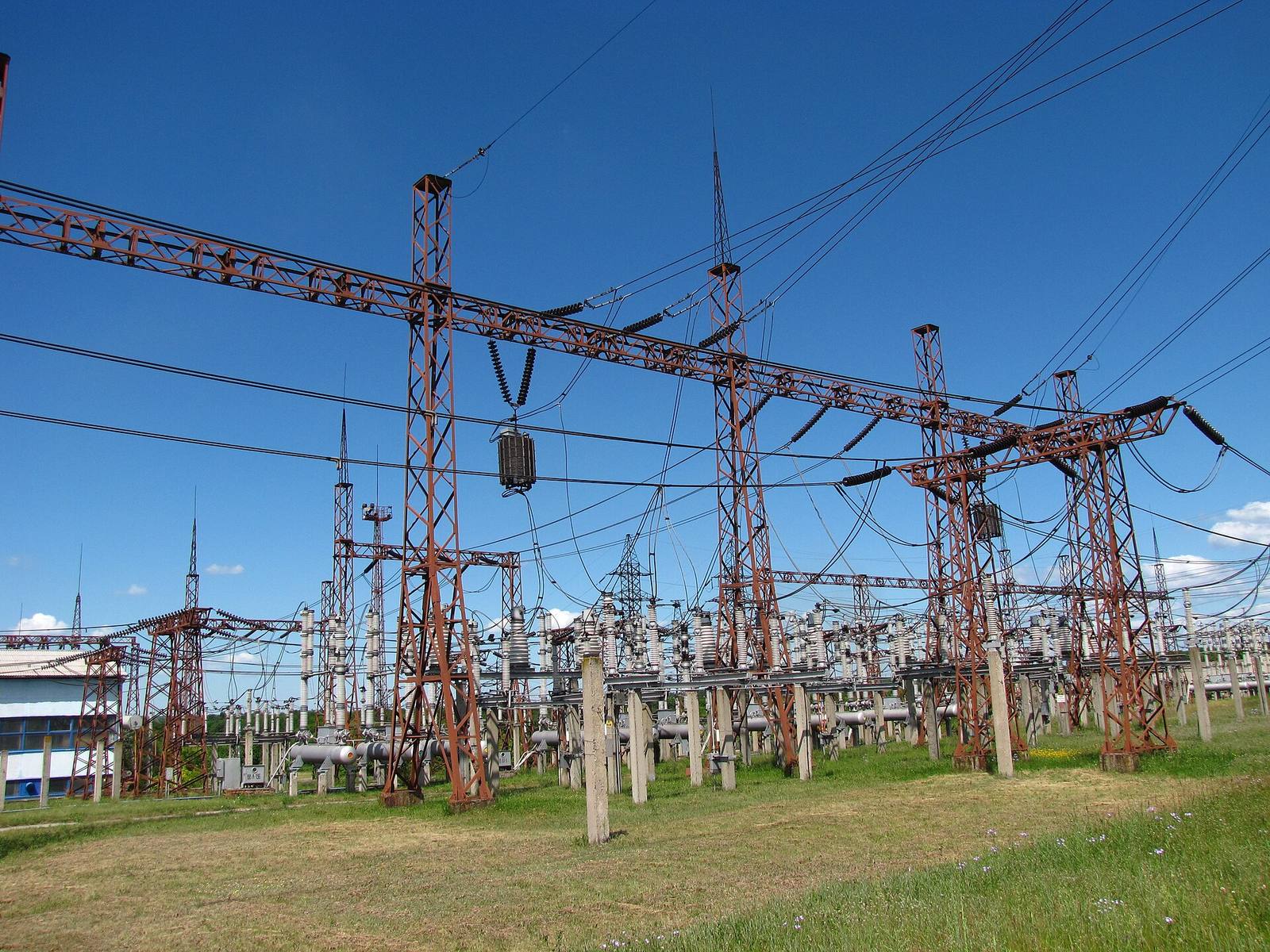
A recloser’s resale potential depends on more than its voltage class or whether it was operating when removed. The interrupter, operating mechanism, electronic control and connecting cable need to be evaluated as a system. Texas Electrical Transformer Buyers buys surplus and used reclosers for cash, including pole-mounted equipment and substation units. We work with owners managing distribution upgrades, equipment retirements and surplus assets that no longer fit their operating requirements.
If you need a recloser buyer, start with clear nameplate photographs and a description of the equipment’s current condition. Include the control cabinet, available accessories and any maintenance or test records. Tell us whether the unit remains installed, has been disconnected or is already in storage. An offer is specific to the equipment and based on inspection, with control compatibility, mechanical condition and removal requirements affecting the evaluation.
What we buy
We consider individual reclosers, matched assemblies and surplus groups from distribution systems or substation yards. Relevant configurations include single-phase and three-phase equipment, with either independent pole operation or gang-operated switching as designed by the manufacturer. Vacuum-interrupting units, older oil-interrupting designs and equipment with electronic controls require different checks. Cooper, Siemens and S&C are common names in this equipment category; exact model identification matters more than a brand label alone when we review a potential purchase.
A complete package is easier to assess than a switching unit separated from its control. Include the control cabinet, interface cable, mounting brackets and any associated voltage-sensing or control-power equipment. Missing components do not automatically rule out a purchase, but replacement availability and compatibility influence potential reuse. Describe spare units individually rather than assuming matching external housings mean identical ratings. Different control revisions, sensor arrangements or interrupting ratings can materially change how otherwise similar reclosers are evaluated.
- Pole-mounted and substation configurations
- Single-phase and three-phase assemblies
- Electronic controls and interface cables
- Cooper, Siemens and S&C models
| Typical capacity | Voltage class | Common applications |
|---|---|---|
| 15 kV to 38 kV | 400 A to 1,200 A | Feeder automation and protection |
Ranges are typical only. Send the nameplate for the actual ratings of your unit.
Ratings and control configurations that matter
Provide the rated maximum voltage, continuous current and interrupting current shown on the equipment nameplate. Basic impulse insulation level, frequency and operating-duty information help establish the unit’s electrical capabilities. These ratings are not interchangeable: continuous current describes normal load capability, while interrupting current addresses fault-clearing duty. Where records are available, include the installed system voltage and the equipment’s service history. Do not estimate missing ratings from the circuit location or the size of the enclosure.
Electronic control details can be as important as the primary switching assembly. Photograph the control model, hardware revision, connectors and cabinet interior, and identify available settings files or manuals. Protection functions may include phase and ground overcurrent elements, reclosing sequences and coordination features, depending on the design. Communication hardware and firmware compatibility also deserve attention. We want to know whether the control powers up, whether alarms are present and whether its cable and sensing connections belong to that particular recloser.
- Maximum voltage and insulation level
- Continuous and interrupting current ratings
- Control model and hardware revision
- Settings, manuals and compatibility records
How we inspect and value reclosers
Inspection begins with identification, completeness and visible condition. We examine bushings or molded insulation for cracks, tracking and damaged terminals, then review the enclosure, seals and operating mechanism. On oil-interrupting equipment, leakage and fluid records warrant particular attention. On vacuum designs, interrupter integrity and operating performance require appropriate testing rather than visual assumptions. Evidence of fault damage, moisture intrusion, corrosion or improvised repairs changes the assessment, especially when the equipment’s recent operating history is unknown.
Available test results help distinguish a maintained asset from an unverified surplus unit. Depending on design, useful records may include insulation resistance, contact resistance, operating times, mechanism checks and manufacturer-specified interrupter tests. Control diagnostics and operation counts provide additional context, but neither proves the primary assembly is serviceable. Age, brand, parts support and the completeness of the control package affect value alongside physical condition. Cash offers are unit-specific and based on inspection; a working claim alone does not establish an offer.
- Insulation damage and terminal condition
- Mechanism wear and operating history
- Control diagnostics and matched components
- Test records and replacement-part support
Removal, storage and sale documentation
Before discussing pickup, identify whether the recloser is energized, isolated, removed or stored. Disconnection and verification of a safe work condition must be handled by qualified personnel under the site’s electrical safety procedures. Pole-mounted equipment can require utility access, lifting equipment and a controlled work area. Substation removals may involve additional cable identification and mounting work. Describe access restrictions, approximate equipment weight and available lifting provisions so handling requirements can be reviewed without assuming the unit is ready to move.
Preserve the equipment package during removal by labeling cables, keeping controls with their switching assemblies and protecting exposed connectors from moisture. Use the manufacturer’s designated lifting points and suitable supports rather than lifting by bushings or control wiring. For the buying review, assemble ownership information, nameplate photographs, maintenance records and a list of included parts. If several units are involved, assign each an identifier. Accurate documentation reduces uncertainty about what is included and helps us evaluate each asset on its own condition.
- Installed, disconnected or stored status
- Lifting provisions and site access
- Labeled cables and protected connectors
- Ownership records and component lists
Common questions
Can I sell a recloser without its electronic control?
We can review the switching assembly without a control, but the missing equipment affects completeness and potential reuse. Send the recloser model, serial number, ratings and photographs of its interface connections. If the original cabinet or cable is stored elsewhere, identify it before the inspection. A compatible control cannot be assumed from the manufacturer’s name alone.
Do you consider older oil-interrupting reclosers?
Older oil-interrupting designs can be submitted for evaluation. Their age, mechanism condition, leakage, fluid documentation and parts availability require careful review. Tell us about known faults, oil changes or repairs, and provide any applicable PCB information. We do not treat every retired oil-filled unit as reusable; the purchase decision and offer depend on the specific equipment and inspection findings.
What information should I send for several surplus reclosers?
Create a separate entry for each unit showing manufacturer, model, serial number, voltage rating, current ratings and included control. Add overall photographs, readable nameplates and notes about missing parts or known damage. Identify which cables and cabinets belong together. This prevents unlike units from being grouped under a single description and supports an equipment-specific buying review.
Does a successful control power-up prove the recloser works?
No. A control that powers up may still have interface, sensing, output or configuration problems, and it does not establish the condition of the primary interrupters. Mechanical operation and electrical performance need separate evaluation using appropriate procedures. Share available diagnostics and test reports, but do not energize or operate retired equipment solely to demonstrate it without qualified personnel and a safe test setup.
Should I remove the recloser before requesting an offer?
You can submit an installed unit for initial review. State whether it is energized and explain the planned outage, disconnection and access arrangements. Photographs and records help us assess the equipment before removal, although an offer remains based on inspection. Do not schedule handling on the assumption that a sale is approved or that removal requirements have already been settled.
Reviewed by the Texas Electrical Transformer Buyers buying desk · Last updated November 13, 2026