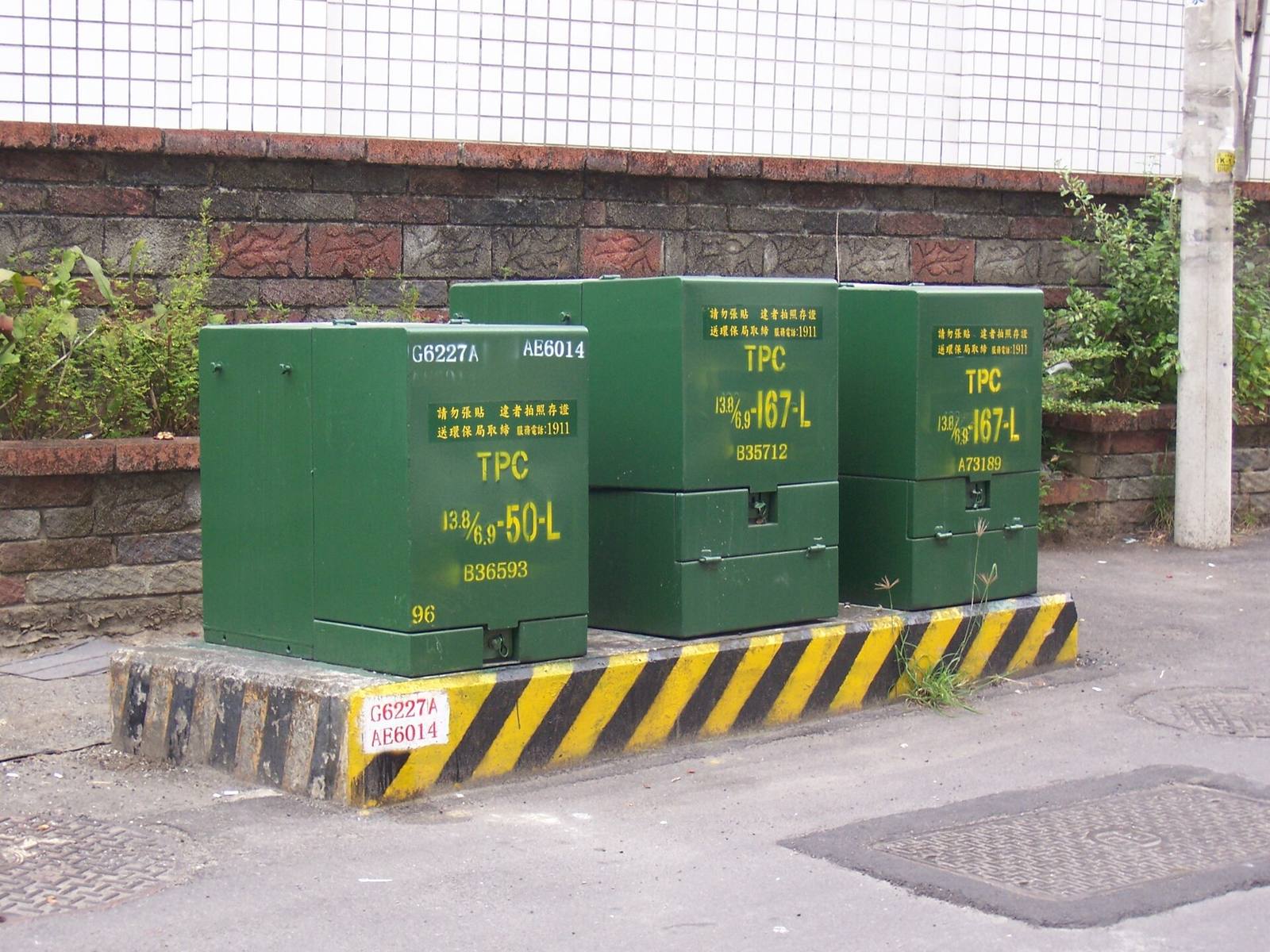
When underground distribution equipment comes out during redevelopment, the switching cabinet deserves its own equipment review. Texas Electrical Transformer Buyers purchases surplus and used pad-mounted switchgear, including sectionalizing cabinets removed alongside pad-mounted transformers. As a pad mounted switchgear buyer, we need to understand the cabinet's voltage class, circuit arrangement and operating condition before discussing an offer. Clear photographs and complete nameplate information help distinguish reusable equipment from incomplete or damaged assemblies.
These cabinets are not interchangeable simply because their enclosures look alike. A 15 kV installation can differ substantially from a 35 kV assembly in insulation requirements, cable interfaces and switching duties. Send the manufacturer's identification, available drawings and details about the removal schedule. Tell us whether the cabinet remains connected, has been isolated or is already stored. We evaluate the actual equipment, with unit-specific offers based on inspection rather than a blanket value per cabinet.
What we buy
We review pad-mounted sectionalizing and switching equipment in the 15 to 35 kV range, including assemblies with load-break switches, fused ways and separable cable connectors. Describe each circuit position as an incoming way, outgoing way, switched way or fused way where the drawings identify it. Include the number of phases, rated continuous current and short-circuit ratings. Those details establish what the assembly was designed to do and help prevent confusion between switching cabinets and pad-mounted transformers.
Manufacturer identification is useful, but the model and installed configuration matter more than the logo alone. S&C, Eaton and G&W Electric are common names associated with underground distribution switching equipment. Photograph the cabinet nameplate and any separate labels on switches, fuse mounts or operating mechanisms. We also consider surplus project equipment and multiple cabinets from a removal, but need a separate description for each unit. Missing components, modifications and undocumented replacements should be disclosed before the equipment is presented as complete.
- 15, 25 and 35 kV classes
- Switched and fused circuit ways
- Complete sectionalizing cabinets
- Individual units or documented lots
| Typical capacity | Voltage class | Common applications |
|---|---|---|
| 15 kV to 35 kV | 600 A to 1,200 A | Underground distribution sectionalizing |
Ranges are typical only. Send the nameplate for the actual ratings of your unit.
How we inspect and value
Inspection starts with ratings, completeness and physical condition. We look for cabinet corrosion, damaged doors, compromised seals, water intrusion and evidence of overheating or electrical tracking. Cable compartments require particular attention around bushings, elbows and insulating surfaces. A 200 A load-break interface is not the same as a 600 A dead-break connection, and neither should be identified from appearance alone. Available labels and manufacturer documentation help confirm interface ratings and whether the installed components match the cabinet's intended configuration.
Value also depends on the switching technology, operating mechanism and condition of any sealed interrupting or insulating system. Where applicable, provide pressure indications, leak history and service records without opening sealed equipment. Fuse type, installed accessories and usable operating hardware affect completeness. Current test reports can support the review, but an old report does not establish present condition after storage or transport. Offers are unit-specific and based on inspection, with missing parts, repair requirements and handling costs considered alongside the equipment's potential reuse.
- Nameplate and component rating checks
- Insulation and moisture condition
- Mechanism and accessory completeness
- Repair and transport requirements
Operating history and failure modes that matter
Explain why the cabinet was removed rather than describing it only as used. Equipment displaced by a site layout change presents a different condition question from equipment taken out after a cable fault. Useful history includes known fault events, fuse operations, flooding, repeated mechanism problems and extended outdoor storage. Photographs should show each compartment, but only after qualified personnel have established safe access. Never open energized compartments or move cable connectors solely to obtain better sale photographs.
Common concerns include deteriorated insulation, contaminated interfaces, seized mechanisms and enclosure damage that allows moisture or animals inside. A switch that moves mechanically is not automatically suitable for its rated electrical duty. Likewise, new fuses do not resolve damage elsewhere in the assembly. Tell us if components have been scavenged or if repairs used parts from another model. Accurate disclosure lets us evaluate the cabinet as it exists, rather than assume that its original factory configuration remains intact.
- Reason for removal
- Fault and flooding history
- Known mechanism defects
- Replacement or missing components
Removal, documentation and preparing a sale
Coordinate electrical isolation and removal through personnel qualified for the installation. The switching cabinet may share underground circuits with equipment that remains in service, so the removal boundary must be established before disconnecting cables. Follow the site's lockout/tagout procedures, verify absence of voltage and apply grounding where required. Our buying review does not authorize switching or establish that equipment is safe to handle. Keep operating handles, compartment keys, drawings and identification plates with the cabinet throughout the removal process.
For a practical review, send exterior photographs, accessible compartment photographs, nameplate images and an equipment list. Include approximate dimensions, known weight, storage conditions and whether lifting access is available. Describe pad attachment, cable routing and any access restrictions that could affect extraction or loading. If the cabinet is still installed, provide the planned outage and removal sequence without promising a date that is not approved. Keeping components identified and protected preserves the information needed to assess the assembly after it leaves service.
- Nameplates and circuit drawings
- Dimensions and known shipping weight
- Isolation and removal status
- Lifting access and storage details
Common questions
Do you buy pad-mounted switchgear removed with a transformer?
Yes, we review switching cabinets removed as part of a transformer replacement or site redevelopment. List the transformer and switchgear separately, with individual nameplate photographs and condition descriptions. Their ratings, components and handling requirements differ, so they should not be treated as one unidentified piece of equipment. Any offer depends on inspection of the units being sold.
Can you evaluate a cabinet with missing elbows or fuses?
We can review incomplete equipment, but identify exactly what is missing. Include photographs of the affected circuit positions and any remaining interface labels. Missing elbows, fuse holders, operating handles or barriers can affect completeness and potential reuse differently. Do not install substitute parts simply to make the cabinet appear complete; disclose its actual condition.
What electrical ratings should I send?
Provide the voltage class, continuous-current rating, short-circuit ratings and basic impulse insulation level if listed. Include ratings for individual switches and cable interfaces when available. A cabinet's overall nameplate may not describe every installed component, particularly after modifications. A clear drawing or circuit schedule also helps explain the number and function of its ways.
Does outdoor corrosion mean the cabinet has no buying value?
Not necessarily. Surface corrosion, structural deterioration and corrosion inside energized compartments raise different concerns. Send close photographs of the base, hinges, door edges and affected internal areas where safe access is established. We need to determine whether damage is primarily cosmetic or affects enclosure integrity, grounding, component support or insulation condition before assessing the unit.
Should I disconnect the cables before requesting an offer?
You can submit equipment information while the cabinet remains installed. State clearly that it is connected and describe the planned removal. Cable disconnection must follow an approved safe-work process performed by qualified personnel. Initial photographs can support a review, but the final assessment may require access after isolation, and any offer remains subject to inspection.
Reviewed by the Texas Electrical Transformer Buyers buying desk · Last updated November 13, 2026