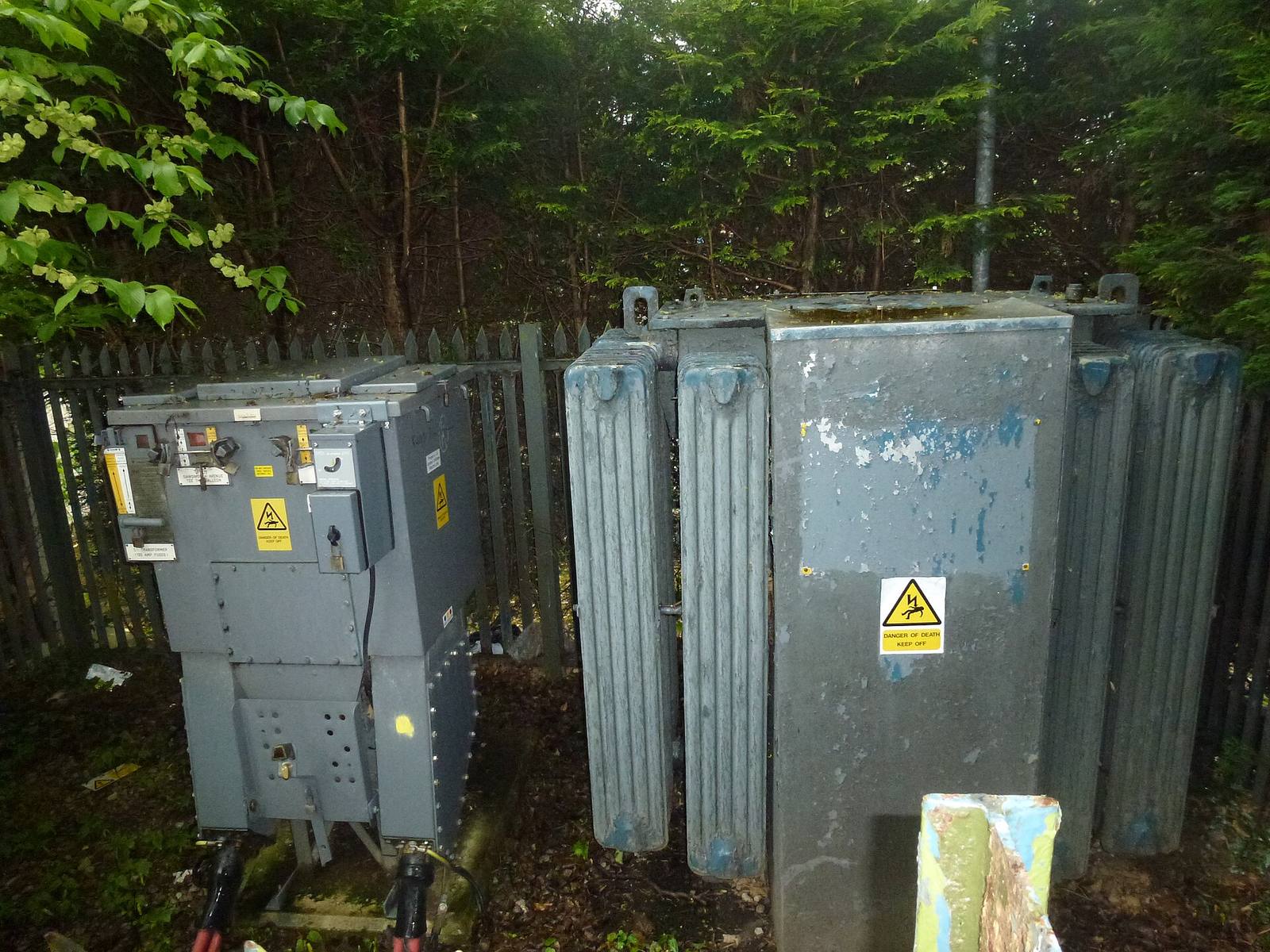
Network transformers require more than a basic kVA check when they become surplus. Their enclosure construction, secondary connection arrangement and relationship to a network protector distinguish them from general-purpose distribution transformers. Texas Electrical Transformer Buyers purchases used and surplus units from owners managing replacements, building changes or equipment removal. Before you scrap a vault-type or submersible transformer, assemble the nameplate and condition information so the complete unit can be evaluated against its actual electrical configuration and the work required to recover it.
For an owner seeking a network transformer buyer, the first useful distinction is whether the equipment was designed for a vault environment or for submersible service. Units commonly range from 500 to 2,500 kVA and serve secondary networks associated with dense commercial districts, hospitals and data centers. A transformer removed during a system upgrade may retain buying potential, but that depends on more than its former application. We assess the specific transformer, any included protector and the evidence of its operating and storage condition.
What we buy: vault-type and submersible network transformers
We review three-phase network transformers with identifiable primary voltage, secondary voltage, kVA rating, impedance and winding connection. Common secondary configurations include 208Y/120 V and 480Y/277 V, although the actual nameplate governs every evaluation. Include frequency, tap settings and the designated cooling arrangement. Tell us whether the transformer includes its network protector, secondary throat, cable compartments and connection hardware. These interfaces can be central to reuse suitability, especially where the equipment was configured for a specific network installation or protector arrangement.
Manufacturer names encountered on network equipment can include GE, Eaton, ABB and Westinghouse. Brand identification is useful for tracing design information, but it does not replace a condition assessment. We consider complete equipment and can review units with missing protectors or other components when the omissions are disclosed. Describe whether the transformer remained sealed after removal, whether fittings were capped and whether loose hardware was retained. A submersible designation must be supported by the equipment’s construction and documentation, not inferred simply because it occupied a wet vault.
- Vault-type and submersible construction
- Primary and secondary nameplate voltages
- Network protector inclusion and rating
- Secondary throat and connection hardware
| Typical capacity | Voltage class | Common applications |
|---|---|---|
| 500 to 2,500 kVA | 15 kV to 35 kV | Vault and secondary network systems |
Ranges are typical only. Send the nameplate for the actual ratings of your unit.
How we inspect and value network equipment
Our review separates transformer condition from protector condition because the two assemblies perform different functions. Transformer inspection addresses the tank, seals, bushings, terminals, insulation system and available oil records. Turns ratio, winding resistance and appropriate insulation tests help establish electrical condition when performed and interpreted correctly. For oil-filled equipment, laboratory reports can identify moisture or deterioration requiring further investigation. Evidence of water entry, damaged terminal insulation or substantial tank corrosion deserves particular attention on equipment removed from a below-grade environment or stored outdoors.
When a network protector is included, document its voltage and current ratings, breaker condition, relay identification and available maintenance or operational test records. The protector controls the transformer’s connection to the secondary network and responds to conditions such as reverse power; it is not merely a disconnect switch. Buying value reflects kVA, voltage compatibility, enclosure condition, protector completeness and the cost of extraction. Offers are unit-specific and based on inspection, including any findings that limit the practical usefulness of the transformer or its attached equipment.
- Tank integrity and water-entry evidence
- Electrical tests and oil condition
- Protector breaker and relay records
- Configuration and extraction costs
Service history, flooding and common condition problems
A transformer serving a secondary network may have a different operating history from a standalone building transformer. Record sustained loading, ventilation problems, temperature alarms and any events involving the connected network. Tell us why the equipment was retired and whether the protector operated normally before shutdown. Contact wear, control problems or reverse-power operations may involve the protector without establishing an internal transformer defect. Conversely, a functioning protector does not prove that the transformer’s insulation, seals or cooling surfaces remain in acceptable condition.
Water exposure requires a precise account. State whether water contacted only the exterior, entered a terminal compartment or reached the insulating liquid or active part. Submersible equipment is designed for specified service conditions, but damaged seals and fittings can still compromise it. Vault-type construction should not be represented as submersible merely because the unit survived a flooding event. Also disclose oil leaks, corrosion around welded seams, damaged secondary connectors and repairs. Dated photographs and post-event testing help distinguish cosmetic deterioration from conditions with greater electrical significance.
- Loading and ventilation history
- Flood depth and exposure duration
- Protector operation and maintenance
- Leaks, corrosion and terminal damage
Vault extraction, safe isolation and sale documentation
Recovery from a vault can be the controlling factor in a purchase. Provide transformer dimensions, weight, lifting provisions and the clear dimensions of access openings. Note stairs, hatches, overhead obstructions and any restrictions affecting rigging equipment. Below-grade spaces may require additional safety procedures, including an assessment of whether confined-space requirements apply. Describe whether the protector will travel attached or separately and identify any connections that must be dismantled. Avoid assuming that the path used during original installation remains available for removal.
Secondary network equipment needs a carefully coordinated isolation plan because connected network circuits can present backfeed hazards. Qualified personnel must establish a safe work condition before inspection or disconnecting conductors. For the buying review, send nameplate images, vault and access photographs, test reports and a list of included assemblies. Clarify who owns the transformer and protector, since ownership may differ from the building’s ownership. State what removal work has already occurred and what remains, allowing the purchase assessment to reflect the actual scope rather than an incomplete equipment description.
- Vault opening and access dimensions
- Lifting details and equipment weight
- Transformer and protector ownership
- Isolation status and remaining work
Common questions
Can I sell the transformer without its network protector?
A transformer without a protector can still be reviewed. Provide the transformer’s full ratings and photographs of the secondary interface, and explain whether the protector was removed, retained or damaged. Missing protector equipment affects completeness and potential compatibility. We assess the transformer as offered rather than assuming a replacement protector can be readily fitted.
Is a vault transformer the same as a submersible transformer?
No. A vault location describes the installation environment, while submersible construction addresses the equipment’s design for specified water exposure. Check the nameplate and manufacturer documentation instead of relying on appearance. If the vault flooded, disclose the event even for a submersible unit, including any evidence of leakage, seal damage or contaminated insulating liquid.
What should I provide if the unit has been flooded?
Send the equipment identification, photographs, approximate exposure duration and the highest known water level. Explain whether compartments or the tank were opened afterward. Oil moisture testing, electrical test reports and documented repairs are helpful if available. Do not energize suspect equipment merely to demonstrate operation; its condition should be assessed through appropriate qualified inspection.
Does the building owner always own the network transformer?
Not necessarily. Ownership arrangements vary, and a transformer serving a property may belong to another entity. Confirm authority to sell both the transformer and any network protector before proceeding. Useful documentation includes asset records or written release information. Physical access to a vault alone does not establish ownership or permission to remove equipment.
How does a difficult vault location affect the offer?
Restricted openings, limited lifting access and complicated isolation can increase recovery costs and affect whether a purchase is practical. Provide dimensions and site photographs early so those constraints can be evaluated. The equipment’s electrical condition still matters, but the offer must account for the complete removal scope rather than kVA and manufacturer alone.
Reviewed by the Texas Electrical Transformer Buyers buying desk · Last updated November 13, 2026