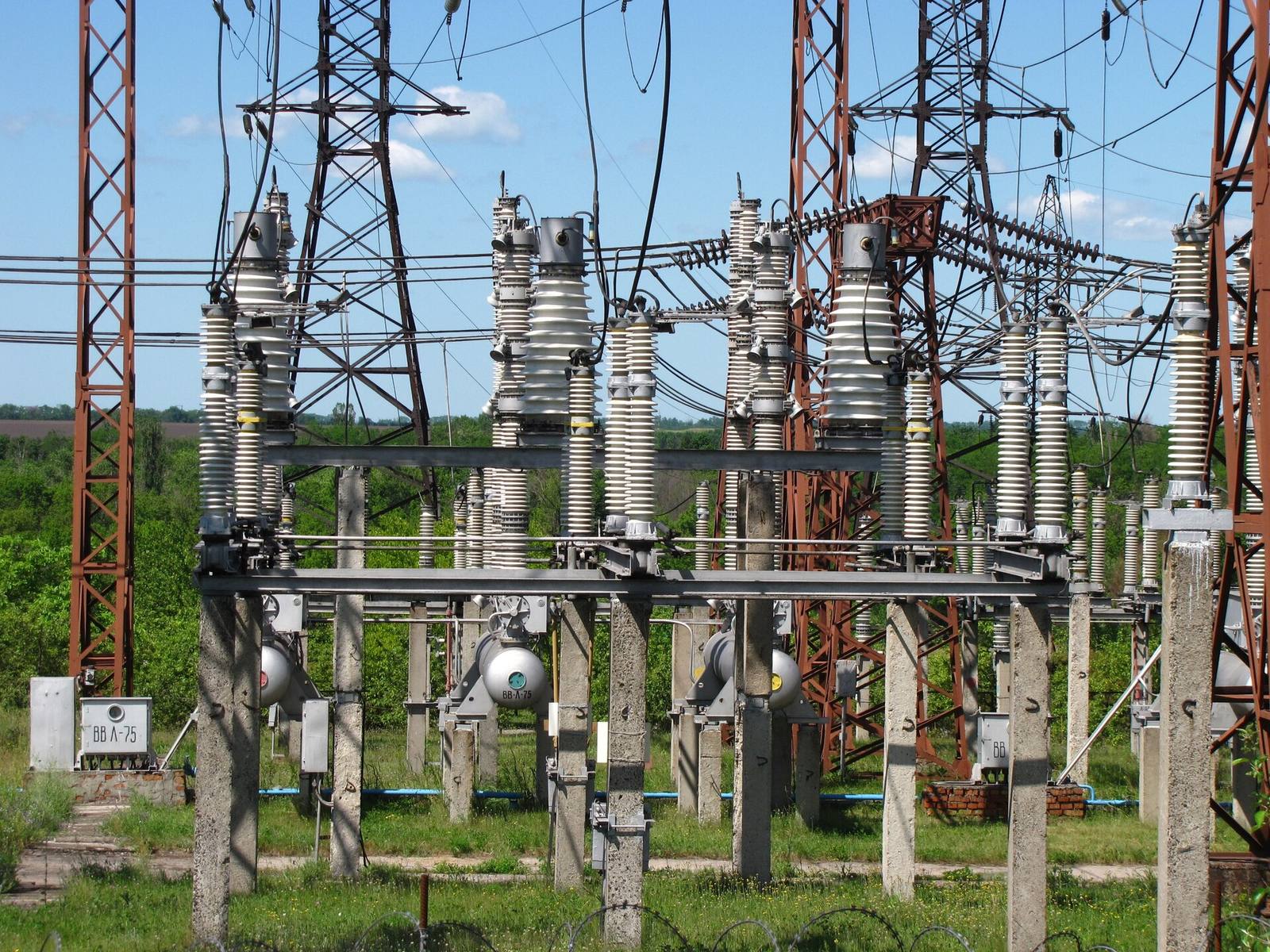
A retired switchgear lineup can contain valuable equipment, but its buying review starts with more than the voltage on the main nameplate. Texas Electrical Transformer Buyers purchases surplus and used medium-voltage switchgear from owners managing plant distribution, motor-control and substation equipment. If you need a medium voltage switchgear buyer, provide the lineup arrangement, breaker details and condition history. Those records help us determine what is included and what inspection will be needed.
We review equipment rated roughly 1 to 38 kV, including lineups with vacuum or SF6 circuit breakers, protective relays and bus systems. A complete assembly, a group of removed breakers and a partly dismantled lineup each require different information. Tell us what remains installed and which components have already been removed. We base offers on the specific equipment and its inspected condition, not on an assumed value for every vertical section or breaker position.
What we buy
We consider complete medium-voltage lineups and identifiable surplus assemblies used for distribution and substation service. State whether the equipment is metal-clad or metal-enclosed, and identify fixed-mounted or drawout breakers where applicable. For motor-control equipment, distinguish breaker-based assemblies from contactor-based starters rather than describing every section as a breaker cubicle. Include rated voltage, bus continuous current, short-circuit withstand information and the interrupting ratings of installed breakers. These ratings describe different duties and should not be substituted for one another.
Common manufacturer names include Eaton, Siemens, Schneider Electric and ABB, along with legacy equipment bearing older branding. The exact series, breaker type and serial information remain essential because similarly sized devices may not be compatible. We review lineups with protective relays, current transformers, voltage transformers, control-power equipment and associated accessories. For a mixed lot, identify each breaker and cubicle individually. Note whether spare breakers, test devices, racking tools and original documentation are included with the equipment offered for sale.
- Complete or partial switchgear lineups
- Vacuum and SF6 circuit breakers
- Protective relays and instrument transformers
- Identified spares and operating accessories
| Typical capacity | Voltage class | Common applications |
|---|---|---|
| 1 kV to 38 kV | 600 A to 4,000 A | Plant distribution and motor control |
Ranges are typical only. Send the nameplate for the actual ratings of your unit.
How we inspect and value
We assess electrical ratings, mechanical condition and the completeness of the power and control systems. Inspection points include bus joints, insulating supports, primary disconnects, shutters, grounding contacts and breaker operating mechanisms. Drawout equipment requires attention to racking components, position indicators and interlocks. Heat discoloration, cracked insulation or tracking can signal problems that a clean exterior conceals. Where test records are available, include their dates and methods so we can distinguish meaningful condition evidence from a generic statement that the lineup passed testing.
Breaker technology and service history influence the review. Vacuum interrupter condition, contact wear and mechanism performance require appropriate evaluation; SF6 equipment also raises questions about gas condition, pressure and leakage history. Relay model, supported functionality and available settings records help establish the configuration, but settings must not be assumed suitable for another system. Our offer reflects inspection, completeness, potential reuse and the work needed to handle the equipment. Section count alone cannot account for missing breakers, damaged bus or obsolete control components.
- Bus and insulation integrity
- Breaker mechanism and contact condition
- Racking systems and interlocks
- Relay configuration and test records
Failure history, protection and configuration
Report any internal fault, arc damage, water exposure or abnormal heating before the buying review. A lineup removed for expansion is not equivalent to one retired after a bus fault, even if both contain the same breaker model. Photographs should show affected sections and adjacent compartments where access is safe. Maintenance records covering lubrication, mechanism repairs and breaker operations can help explain condition. Do not operate questionable equipment just to demonstrate that a breaker closes or a racking mechanism still moves.
Control-system details can determine whether an otherwise sound assembly is complete enough for further use. Provide control voltage, relay identification, current-transformer ratios and available schematics. Identify missing wiring plugs, disconnected trip circuits, bypassed interlocks and modifications made during service. A replacement digital relay does not by itself establish that the entire protection scheme was correctly engineered or tested. Keep drawings marked with known revisions, and separate confirmed information from assumptions made after the original maintenance staff or project records are no longer available.
- Internal fault and moisture history
- Control voltage and wiring diagrams
- CT ratios and relay identification
- Documented modifications and defects
Planning disassembly and removal
Medium-voltage lineups require a removal plan that accounts for electrical isolation, stored energy and mechanical handling. Qualified personnel must establish safe working conditions for primary circuits, auxiliary supplies and any possible backfeed sources. Breaker springs and other stored-energy mechanisms require manufacturer-directed precautions. Our purchase review is not an instruction to disconnect equipment. Before dismantling, photograph section order, bus connections and control interconnections so the lineup's original arrangement can still be understood once shipping splits or individual sections are separated.
Provide section dimensions, available weights, lifting provisions and access constraints before loading arrangements are evaluated. Label removed bus pieces, barriers, wiring connectors and hardware by their original locations. Protect insulation and primary contacts from moisture and impact, and keep breakers associated with their documented cubicles. If equipment must pass through restricted doors or be moved without its original lifting equipment, disclose that limitation early. An organized removal preserves condition and reduces uncertainty about whether the offered equipment can be handled without further damage.
- Section order and shipping splits
- Weights and manufacturer lifting provisions
- Labeled bus and control connections
- Protected breakers and insulating parts
Common questions
Will you review a lineup without all its breakers?
Yes, but send a section-by-section list showing occupied and empty breaker positions. Identify any breakers that were moved to another installation or retained as spares. Cubicle condition, remaining bus, control equipment and compatibility all affect the review. A partly stripped lineup should be described as incomplete rather than valued as though every original breaker were present.
Do vacuum and SF6 breakers require different information?
They do. For vacuum breakers, include available interrupter, contact-wear and mechanism test records. For SF6 breakers, supply available pressure indications, gas-service records and known leak history as well as mechanical information. Do not vent gas or open sealed systems to prepare a sale. Any service or testing must follow applicable requirements and manufacturer procedures.
Can protective relays increase the value of the switchgear?
Relay type and condition can influence an offer, especially when identification, wiring and documentation are intact. However, a newer relay does not automatically make an older lineup more valuable or establish a usable protection scheme. Send model numbers, control voltage and available drawings. Disclose missing modules, damaged displays, access limitations and any known control-system defects.
What if the switchgear was involved in an arc fault?
Describe the event and identify the affected sections before requesting evaluation. Include investigation reports, repair documentation and safe-access photographs if available. Damage can extend beyond the visibly affected compartment through heat, contamination or insulation deterioration. We evaluate the actual condition and do not assume adjacent breakers or bus sections remain serviceable simply because they appear undamaged.
Should breakers be shipped inside their cubicles?
The correct transport arrangement depends on the equipment design and manufacturer instructions. Some assemblies require breakers to be removed or secured in a specific position for shipment. Provide model information and available handling documentation before deciding. Preserve breaker-to-cubicle identification, protect primary disconnects and disclose any missing shipping restraints or lifting accessories during the buying review.
Reviewed by the Texas Electrical Transformer Buyers buying desk · Last updated November 13, 2026