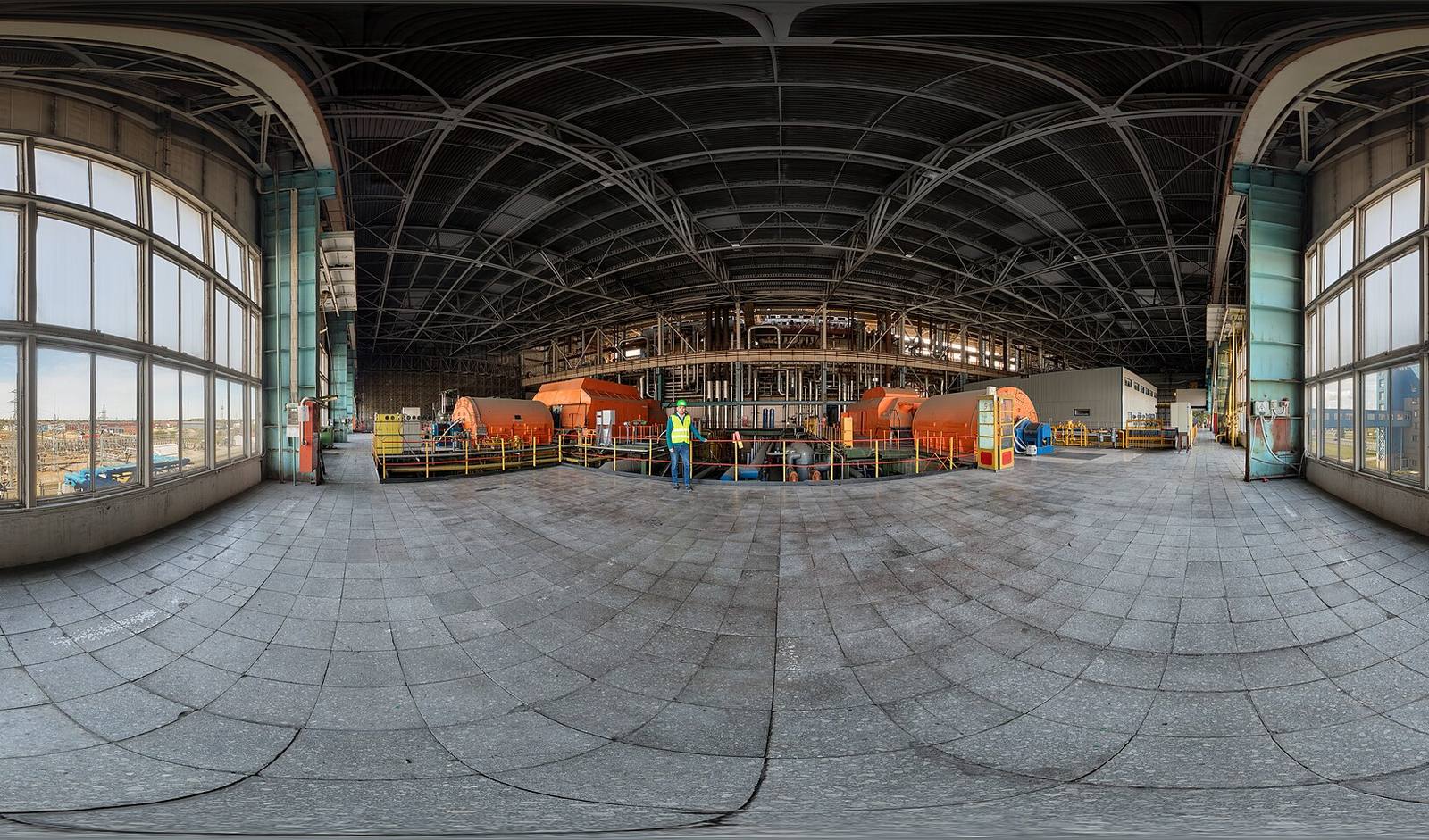
A generator step-up transformer can become surplus while much of its electrical service life remains. Plant retirements, repowering and turbine replacements may leave a large GSU disconnected, preserved in place or awaiting removal. Texas Electrical Transformer Buyers purchases these units from owners and managers who need a technically grounded assessment before committing to disposal. We need the transformer’s actual ratings, condition and handling requirements, not simply its approximate size or the generating capacity of the equipment it once served.
As a generator step up transformer buyer, we evaluate the complete asset: active part, tank, bushings, cooling equipment, controls and available records. These transformers often fall in the 50 to 500-plus MVA range, where transport dimensions and dismantling scope can materially affect a purchase decision. Whether your unit remains connected or has been placed in storage, identify what is included and what must stay with the site. Any offer is unit-specific and based on inspection rather than a standard payment per MVA.
What we buy: complete GSUs and documented surplus units
We consider oil-filled generator step-up transformers with documented generator-side and grid-side voltage ratings, winding connections and cooling classifications. A nameplate showing separate ONAN, ONAF or OFAF ratings helps distinguish natural-cooling capacity from ratings that depend on fans or pumped oil circulation. Include frequency, impedance, tap range and any tertiary winding information. A transformer designed around a particular generator terminal voltage needs to be assessed as that configuration, not treated as interchangeable with an ordinary transmission substation transformer.
Surplus units may carry names such as GE, ABB, Siemens or Westinghouse, but the manufacturer alone does not establish buying value. We examine the specific design, service history and completeness of each transformer. Report whether high-voltage bushings, radiators, fans, oil pumps, conservator equipment and control cabinets remain available. A removed unit with labeled components and preservation records presents a different evaluation from a transformer stripped of accessories or left open to moisture during a lengthy plant dismantling project.
- Generator and grid voltage ratings
- MVA ratings by cooling stage
- Winding connections and tertiary details
- Included bushings and cooling equipment
| Typical capacity | Voltage class | Common applications |
|---|---|---|
| 50 to 500+ MVA | 138 kV to 500 kV | Generator-to-grid interconnection |
Ranges are typical only. Send the nameplate for the actual ratings of your unit.
How we inspect and value a generator step-up transformer
Inspection starts with identity and condition, then moves into the evidence supporting continued usefulness. Useful records include transformer turns ratio, winding resistance, insulation power factor and bushing test results. Dissolved gas analysis and oil quality reports help identify thermal or electrical activity, but a single sample is less informative than a trend with dates and operating context. Where available, sweep frequency response analysis can help assess possible winding movement following transport or a through-fault. Tests must be interpreted together, not as isolated pass-or-fail assurances.
We also review the physical components that can make a technically suitable GSU expensive to recover. Cracked porcelain, leaking gaskets, deteriorated radiator assemblies and missing pumps affect the assessment. Bushing capacitance changes, abnormal gas generation or evidence of winding deformation warrant closer examination. Value depends on ratings, remaining condition, documentation, accessory completeness and the practical cost of removal and transport. We do not assign a fixed cash figure from a photograph or assume that a unit operating at retirement is free of defects.
- Oil analysis and historical gas trends
- Winding and bushing test records
- Leakage, corrosion and accessory condition
- Recovery cost and transport feasibility
Protection, operating history and failure information
GSUs commonly operate with differential protection, temperature supervision and pressure-related protective devices, with the exact arrangement depending on design. Relay targets and event reports can explain why a transformer was removed from service. Tell us whether retirement followed a plant decision, a turbine change, a protection operation or a confirmed internal fault. A trip is not automatically proof of transformer failure, but unexplained trip history should not be omitted when presenting the equipment for purchase and planning an inspection.
Operating records should identify abnormal loading, cooling-system outages, oil loss, overheating and significant external faults. Describe repairs to bushings, winding leads, tap connections or the active part, and include the associated test reports if available. Some GSUs use de-energized tap changers rather than on-load equipment; identify the actual arrangement and present tap position. Preservation also matters after shutdown. Record whether the tank remained sealed, how oil levels were maintained and whether any dry-gas storage procedure was documented during the idle period.
- Reason for retirement or replacement
- Relay events and fault reports
- Repair scope and post-repair testing
- Idle-period preservation records
Removal planning and the information to send
A large GSU purchase needs a realistic recovery plan before equipment moves. Provide outline drawings, total weight, shipping weight and dimensions for the proposed transport configuration. Identify components that require removal, including bushings, radiators and conservator assemblies, and state whether oil handling is already included in the site’s removal scope. Access limitations, crane positioning, foundation arrangement and the route out of the transformer bay can determine whether a potential purchase remains practical once the full handling requirements are understood.
The owner’s electrical and removal teams should establish isolation, grounding, lockout procedures and safe access before inspection or dismantling. Send readable nameplate photographs, overall views, accessory photographs and recent test documents, along with the unit’s location and your intended removal scope. Identify ownership and any restrictions on access or release. If records are incomplete, say so directly; accurate gaps are more useful than assumptions. We use that package to assess suitability for purchase and define what further inspection is needed before an offer is established.
- Nameplate photographs and outline drawings
- Shipping dimensions and component weights
- Access restrictions and removal scope
- Ownership and release documentation
Common questions
Can I sell a GSU that is still installed at the plant?
An installed transformer can be considered for purchase. Provide its operating status, nameplate, test history and expected availability. Inspection and removal planning must account for electrical isolation, site access and the division of dismantling responsibilities. Do not disconnect or drain the unit solely for an initial inquiry; its existing condition and records may be useful to the evaluation.
Do missing bushings or cooling components prevent a purchase?
Missing components do not automatically rule out consideration, but they can materially change the assessment. Specify each missing item and whether it remains elsewhere on site. Bushing ratings, mounting details and cooling-system configuration matter because replacements are not universally interchangeable. Photographs and component drawings help establish the extent of the missing equipment.
Which records are most useful for valuing a retired GSU?
Start with the nameplate, outline drawing, recent electrical tests and historical dissolved gas analysis. Add bushing test results, maintenance records, protection events and the reason for retirement. Shipping weights and preservation details are particularly useful for stored units. Records support the evaluation, but purchase offers remain unit-specific and subject to inspection.
Will you consider a transformer that experienced a fault?
We can review a fault-affected unit when the event and resulting condition are clearly disclosed. Provide relay records, oil analysis, inspection findings and any subsequent electrical tests. Distinguish an external system fault from a confirmed internal failure. Winding damage, contamination or tank damage can substantially limit buying suitability and influence the recovery economics.
Should I remove the oil before offering the transformer?
Do not assume oil removal is required before evaluation. Draining changes handling requirements and may create preservation concerns if the active part is exposed to moisture. Share oil quantity, available oil analysis and any applicable contamination records first. Oil handling, containment and transport preparation should be addressed in the agreed removal scope by appropriately qualified personnel.
Reviewed by the Texas Electrical Transformer Buyers buying desk · Last updated November 13, 2026