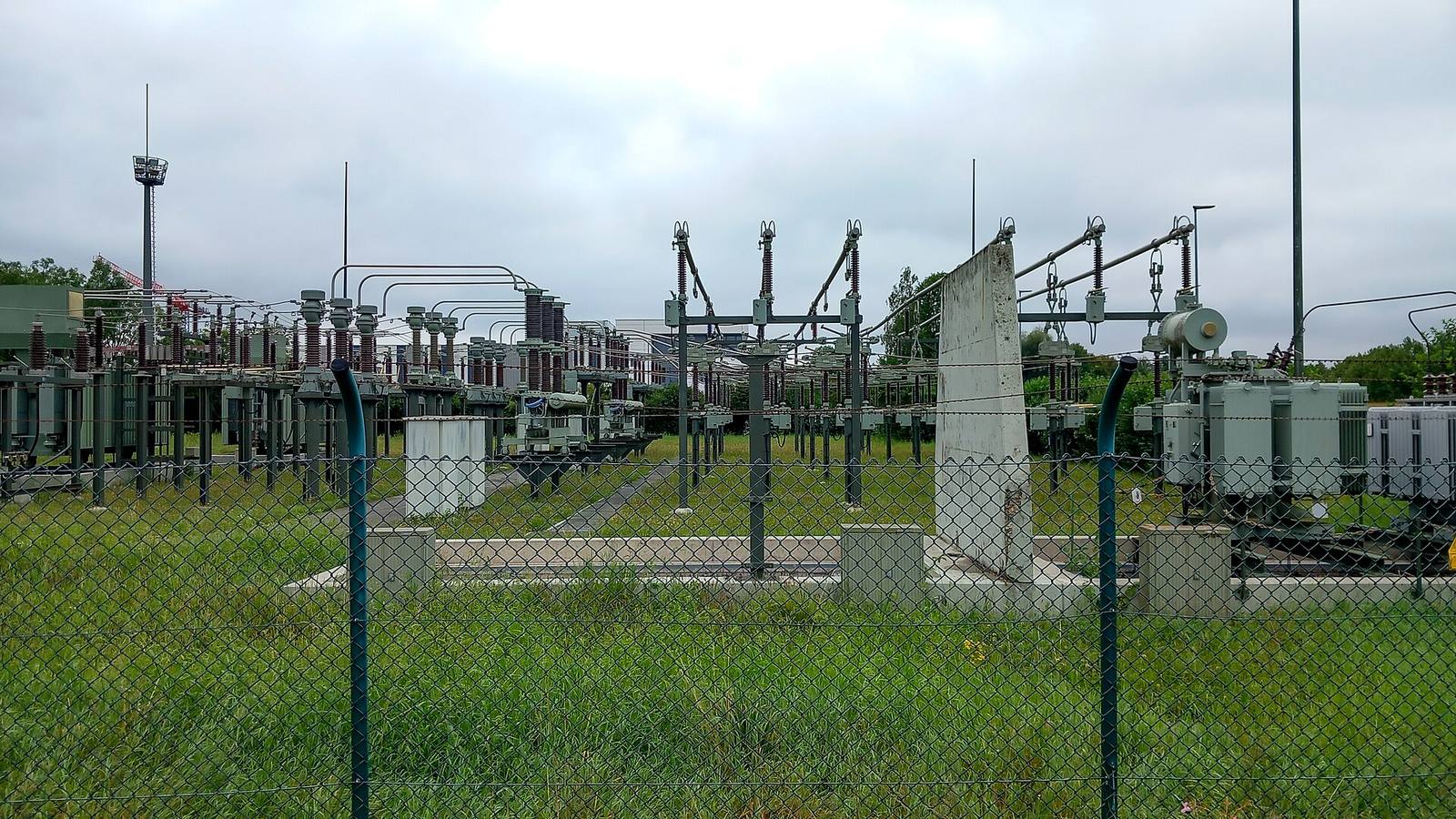
A capacitor bank can contain several assets worth reviewing, even when the installation is being retired as a whole. Capacitor units, support racks, switching equipment and controls each need their own condition assessment. Texas Electrical Transformer Buyers buys surplus and used capacitor banks for cash, including pole-mounted and station configurations used for power-factor correction and voltage support. We evaluate the actual assembly and its documentation rather than assuming every component has equal reuse potential.
For owners seeking a capacitor bank buyer, the most useful starting point is a complete set of photographs and ratings. Show the bank arrangement, individual capacitor nameplates, switches and control equipment, along with any visible swelling or leakage. Describe why the bank was removed and whether it experienced fuse operations, recurring trips or other problems. Purchase offers are unit-specific and based on inspection, including capacitor condition, PCB history and the scope of the equipment included.
What we buy
We review fixed and switched capacitor banks, individual surplus capacitor units and assemblies that include racks, switches, fuses and controls. Pole-mounted banks and station installations have different handling requirements, but both need clear component identification. Provide the manufacturer and model for each major part rather than describing the entire installation by one brand. Equipment bearing names such as Eaton, GE or Siemens may be encountered; the nameplate, configuration and condition determine what we can meaningfully assess.
A bank with damaged capacitors may still contain components suitable for separate evaluation. Structural racks, switching devices and control cabinets can have reuse or salvage value, depending on their condition and completeness. That does not mean every retired assembly supports an offer. Severely corroded structures, incomplete controls or unidentified leaking units introduce additional concerns. List the included equipment carefully and distinguish serviceable spares from failed units, particularly when replacement capacitors have accumulated alongside the original bank over time.
- Pole-mounted and station capacitor banks
- Fixed and automatically switched assemblies
- Capacitor units, racks and fuse hardware
- Switches, sensors and control cabinets
| Typical capacity | Voltage class | Common applications |
|---|---|---|
| 2.4 kV to 34.5 kV | 300 to 20,000 kVAR | Power-factor correction and voltage support |
Ranges are typical only. Send the nameplate for the actual ratings of your unit.
Electrical ratings and bank arrangement
Capacitor evaluation starts with rated voltage, reactive power in kvar, frequency and the number of units in the bank. Document the connection arrangement, including grounded-wye, ungrounded-wye or delta configurations where applicable. Individual unit voltage is not necessarily the same as the bank’s system voltage because series and parallel groupings affect the assembly rating. Identify the number of switched steps and supply a one-line diagram if available. These details help establish whether the bank description matches its actual installed components.
Protection and switching arrangements also affect the review. Identify externally fused, internally fused or fuseless construction, along with any unbalance protection and discharge provisions. Switched banks may use purpose-built capacitor switches or other appropriately rated devices; their duty must be evaluated separately from ordinary load switching. Harmonic exposure, frequent switching and overvoltage history can affect capacitor life. Records of repeated fuse operations or changes in measured capacitance are more useful than a general statement that the bank previously corrected power factor.
- Unit voltage and bank kvar ratings
- Series-parallel grouping and connection
- Fusing and unbalance protection
- Switching steps and harmonic history
How we inspect and value capacitor banks
We inspect capacitor cases for swelling, leakage, corrosion and mechanical damage, then examine bushings, terminals and mounting hardware. A distorted case or leaking seam is not a cosmetic issue; it can indicate internal failure or deterioration. Readable labels and fluid documentation are important when reviewing older equipment for PCB history. An undocumented unit should not be represented as non-PCB based solely on appearance or installation date. Available manufacturer records or appropriate analytical documentation help clarify the material-handling requirements.
Electrical records can support the condition assessment when they identify the tested units and methods. Capacitance measurements, insulation checks and bank unbalance records may reveal changes that are not visible externally. We also examine switches, controls and racks for completeness, corrosion and evidence of overheating. Value depends on reusable components, documentation, configuration and removal costs, not just total kvar. Offers are based on inspection, and failed capacitors may change the buying scope even when other portions of the assembly remain worth reviewing.
- Case swelling and fluid leakage
- Bushing damage and overheated connections
- PCB identification and supporting records
- Capacitance results and component completeness
Safe removal and records for the sale
Capacitors can retain hazardous stored energy after the supply is disconnected. Removal requires qualified personnel following applicable isolation, discharge, verification and grounding procedures for the specific equipment. Do not assume internal discharge resistors alone establish a safe work condition. Tell us whether the bank is still connected, whether units are damaged and what lifting access is available. Station racks may require staged dismantling, while pole-mounted assemblies require attention to elevated work, rigging and the condition of supporting hardware.
Keep capacitor identification visible throughout removal and storage, and separate leaking or suspect equipment under appropriate environmental and site procedures. Avoid mixing unidentified units with documented non-PCB equipment. Supply ownership information, a component count, the one-line diagram and available maintenance or test reports. Photographs taken before dismantling help explain original connections and included accessories. For larger assemblies, identify rack dimensions, transport constraints and loose components so the purchase review reflects the actual material being offered rather than the original installation alone.
- Verified isolation and stored-energy controls
- Damaged-unit handling and separation
- Component counts and readable labels
- Rack dimensions and transport access
Common questions
Will you review a bank with swollen or leaking capacitors?
Yes, you can submit it for review, but identify the affected units clearly and do not describe them as serviceable. Swelling and leakage can indicate capacitor failure and may create handling or environmental concerns. We can assess the remaining racks, switches and controls separately. Any purchase scope depends on inspection and adequate information about the damaged equipment.
What PCB documentation is useful for older capacitor units?
Readable manufacturer labels, original equipment records and applicable fluid analysis can help establish PCB status. The documentation should correspond to the actual units offered, not merely to another bank at the same site. If the history is unknown, say so. Do not remove labels or make a non-PCB claim based only on case appearance, age or previous owner statements.
Can I sell the rack and switches without the capacitors?
We can evaluate those components separately. Send rack photographs and dimensions, switch nameplates, control details and a list of any missing brackets, insulators or operating parts. Corrosion, switching condition and compatibility affect potential reuse. Explain whether the capacitors have already been removed and whether the remaining assembly is intact or dismantled into loose components.
Does total kvar determine the bank’s value?
Total kvar is an important rating, but it does not establish value by itself. Voltage, unit arrangement, capacitor condition, switching equipment, PCB history and documentation all influence the assessment. A larger bank with failed units or incomplete records can present more uncertainty than a smaller, well-documented assembly. Offers are specific to the equipment and based on inspection.
What should I preserve when dismantling a capacitor bank?
Keep nameplates, component identifiers, controls and protection hardware associated with the correct assembly. Photograph the connections before dismantling and retain available drawings and test records. Qualified personnel must address stored energy before work begins. Protect bushings and terminals during handling, and identify any leaking or suspect units separately rather than placing everything into one undifferentiated shipment.
Reviewed by the Texas Electrical Transformer Buyers buying desk · Last updated November 13, 2026