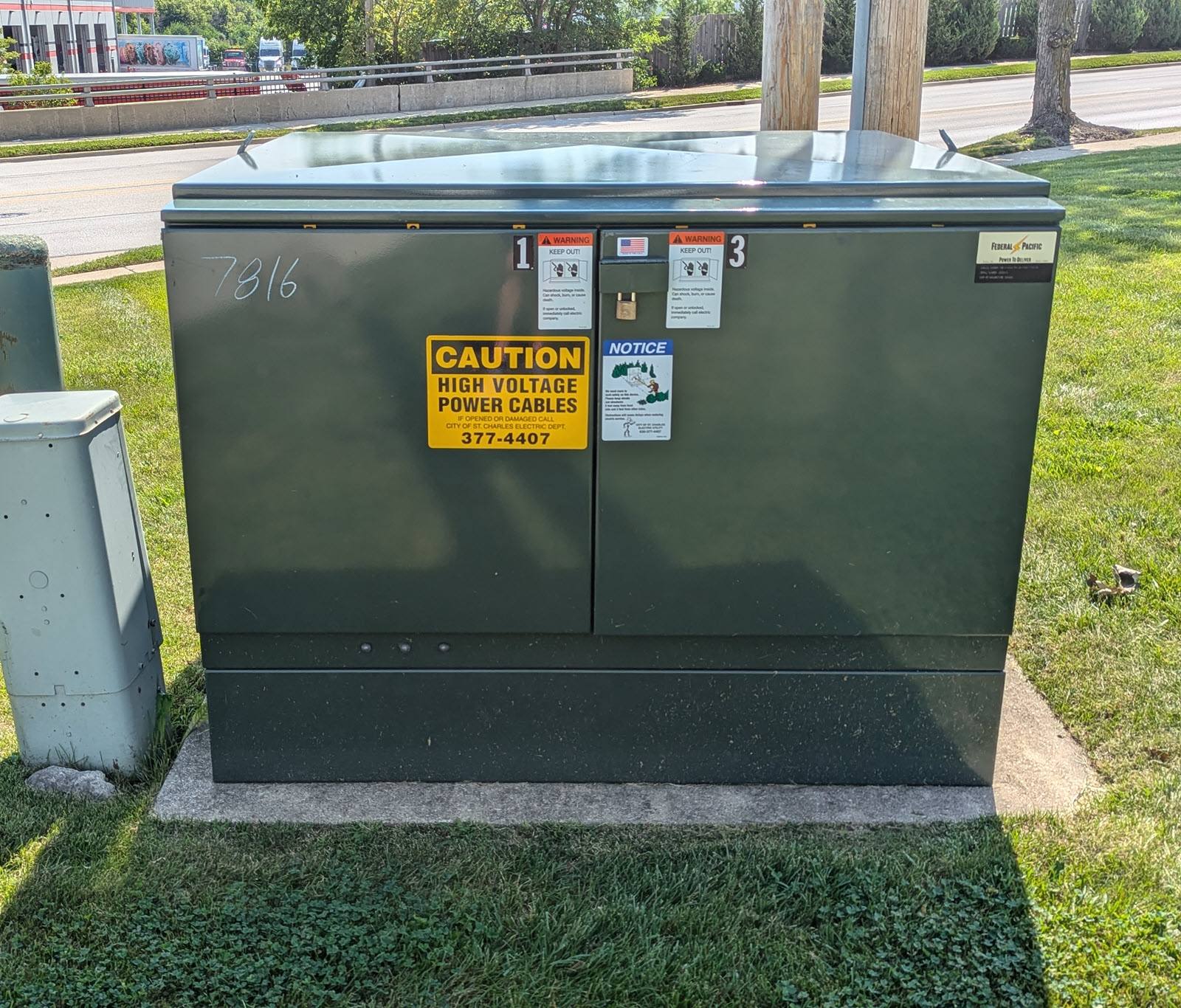
A pad-mounted transformer may be on your property without being yours to sell. Ownership, utility involvement, and electrical isolation must be settled before removal begins. Texas Electrical Transformer Buyers provides a pad mount transformer removal service tied to purchasing eligible equipment from commercial, institutional, and industrial sites. We review the unit, coordinate the agreed removal requirements, and plan loading around the enclosure, concrete pad, surrounding property, and available access.
Confirming Ownership and Sale Authority
This service is intended for owners and authorized managers removing pad-mounted transformers after replacement, redevelopment, shutdown, or a change in electrical demand. Start by determining whether the equipment belongs to your organization or the serving utility. Site location alone does not establish ownership. If a utility owns the transformer, its authorization and procedures govern the equipment; you should not offer it for sale as privately owned property without confirmation.
For privately owned units, send the nameplate, enclosure photos, condition notes, and any available purchase or asset records. State whether the transformer still serves occupied buildings or active production. We also need to know whether the sale includes only the transformer or related components. Concrete pads, underground conductors, protective barriers, and nearby switchgear remain outside the equipment purchase unless the written scope specifically addresses them as part of the transaction.
- Private or utility ownership
- Authority to sell the unit
- Active service status
- Clear equipment purchase boundaries
Coordinating Isolation Before Physical Removal
Utility coordination may involve service changes, upstream isolation, access permissions, or confirmation of ownership. The required steps depend on how the transformer connects to the electrical system. Tell us which utility or site electrical team controls the supply and whether a shutdown has been approved. We coordinate the purchase-related removal plan around those requirements, but no lifting operation should proceed while the unit remains energized or its isolation is uncertain.
Qualified electrical personnel must handle disconnection and verify the equipment is safe for the planned work under appropriate site procedures. Cable arrangements, grounding, and possible backfeed sources need attention before lifting. Establish who is responsible for those tasks and when completion will be documented. Keeping the electrical work separate from the physical loading sequence prevents a removal crew from arriving before the transformer is actually ready to leave the pad.
- Utility or site electrical contact
- Approved outage requirements
- Qualified disconnection personnel
- Readiness verification before lifting
Assessing the Pad, Enclosure, and Loading Route
Pad-mounted equipment often has limited clearance around its enclosure, especially near fences, walls, landscaping, or protective posts. Photos should show each accessible side, the pad, and the path to a loading position. Include enclosure dimensions and documented weight if available. We examine whether lifting equipment can reach the unit and whether the proposed setup could affect adjacent pavement, buried services, or areas that must remain open during removal.
Once the site information and unit condition are reviewed, we develop the proposed purchase and loading scope. An offer is specific to the transformer and based on inspection, with removal requirements considered alongside equipment condition. Liquid-filled units may need oil records or additional review. The agreed plan identifies lifting arrangements, transport preparation, and the expected condition of the work area afterward, including whether pad or barrier work is excluded.
- Enclosure and pad photographs
- Dimensions and verified weight
- Truck and lifting access
- Oil condition where applicable
Sequencing the Sale Around Your Project
Begin with equipment details and ownership confirmation, then proceed through condition review, inspection, and proposed purchase terms. After the sale scope is agreed, coordinate the outage and physical removal sequence. Give us the dates associated with replacement equipment, building occupancy, demolition, or contractor access. We assess the requested window against electrical readiness and logistics rather than assume the transformer can be collected whenever a truck becomes available nearby.
Service coverage depends on the pickup location and the removal conditions at that site. Send the city and state, gate restrictions, permissible working hours, and any rules for cranes or delivery vehicles. Commercial and institutional properties may require coordinated access to keep occupants away from the work area. Final scheduling accounts for those controls, utility involvement, and loading arrangements so the equipment transfer follows a workable plan rather than an unresolved deadline.
- Project and outage milestones
- Pickup city and state
- Site hours and access rules
- Coordinated loading and transfer
Common questions
Can I sell the transformer located outside my building?
Only if you own it or have authority from its owner to sell it. Many pad-mounted transformers are utility-owned even when located on private property. Check asset records and confirm ownership with the relevant parties before submitting it as your equipment. We need that issue resolved before purchase terms and removal responsibilities can be established.
Will removal include taking out the concrete pad and underground cables?
Not unless those tasks are expressly included in the agreed scope. Purchasing the transformer does not automatically include concrete demolition, excavation, cable removal, or restoration. Describe what you need cleared and identify any buried-service information available. We can then distinguish the equipment purchase and coordinated removal from work that requires separate arrangements.
Can removal happen while the rest of the property remains operating?
That depends on the electrical configuration and site controls. The transformer being removed must be properly isolated and disconnected, and its lifting area must be secured. Other operations may continue if qualified site personnel determine they can do so safely. Share occupancy needs, traffic routes, and outage restrictions early so the removal plan can account for them.
Reviewed by the Texas Electrical Transformer Buyers buying desk · Last updated November 13, 2026