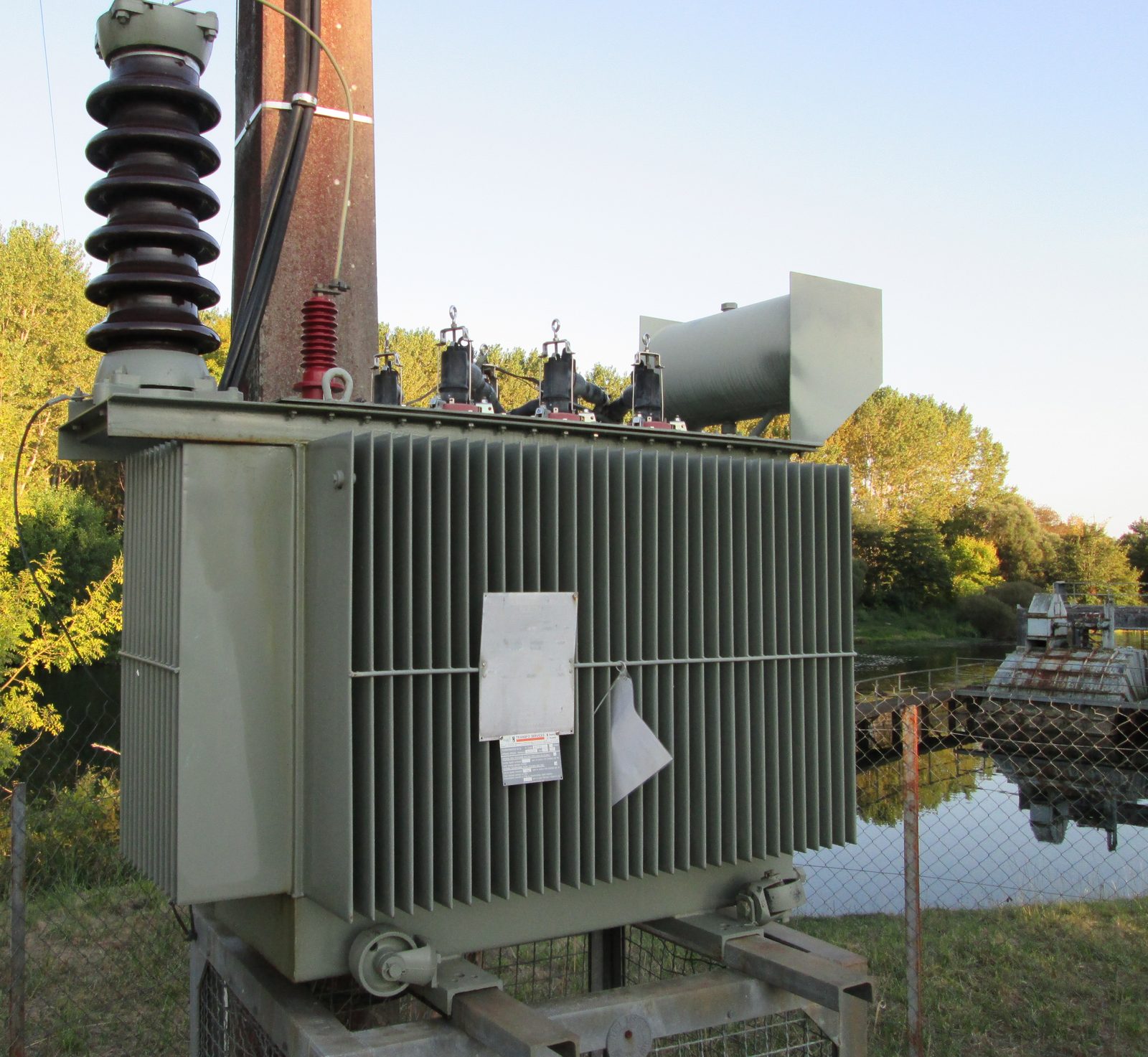
Selling a retired oil-filled transformer involves the tank, its internal components, and the liquid still inside it. Texas Electrical Transformer Buyers evaluates these units for purchase with removal and disposal requirements addressed as part of the transaction. Our oil filled transformer disposal service is for owners who need a documented path off site, including oil testing coordination and chain-of-custody records, rather than an informal pickup that leaves handling responsibilities unclear.
A Buying Service for Owners of Retired Oil-Filled Units
This service fits facility managers, property owners, electrical contractors authorized to sell equipment, and industrial operators retiring liquid-filled transformers. The unit may have been replaced, disconnected during a closure, or removed from service after a fault. Explain the reason for retirement and whether it remains installed. A transformer sitting in containment requires a different removal approach than one already staged on a suitable loading surface outdoors.
Purchase review includes the equipment's identity, condition, liquid status, and known environmental history. Provide nameplate photographs, estimated oil volume in gallons if documented, approximate weight, and information about leaks or previous draining. Identify the liquid type from records rather than appearance. We use those details to determine what additional verification is needed and whether a purchase can include the required removal and disposal arrangements for your specific unit.
- Installed or staged transformers
- Liquid type and documented volume
- Known leaks or previous draining
- Authorized seller and ownership details
Oil Testing and Handling Requirements Come First
Oil testing can determine which handling and disposal requirements apply, particularly when PCB status is unknown or existing documentation is incomplete. Send available laboratory reports with their sample dates and identification details. A report must be tied to the transformer being sold; a result from another unit is not a substitute. We review the records and coordinate additional testing when needed before finalizing the relevant removal and disposal scope.
Sampling should follow an appropriate procedure and be performed by personnel qualified for the task. Do not open an energized transformer or collect oil casually for a sale inquiry. Until the testing and handling plan are established, maintain existing containment and disclose any changes in condition. Known PCB contamination or other concerns must be raised at the outset because they can materially change the purchase decision, transportation arrangements, and disposal pathway.
- Existing laboratory report review
- Transformer-specific sample identification
- Additional testing when required
- Contamination disclosed before planning
Purchase, Removal, and Documented Transfer
The process begins with your equipment information, followed by record review and inspection as needed. We then establish unit-specific purchase terms that reflect condition, testing results, access, and handling obligations. Before removal, the parties confirm electrical disconnection, liquid management, lifting arrangements, and the materials included in the sale. The purchase agreement should make those responsibilities explicit instead of relying on assumptions about who will drain or transport the equipment.
Documentation is organized around the actual movement of the transformer and its contents. Oil sample chain-of-custody records establish how samples reach the laboratory, while transfer and disposal records address subsequent handling as applicable. We coordinate the documentation included in the agreed scope so you know which records to retain. Do not assume every transaction uses identical paperwork; requirements depend on the material classification, handling route, and applicable regulatory obligations.
- Inspection-based purchase terms
- Written handling responsibilities
- Sample chain-of-custody records
- Applicable transfer and disposal documentation
Planning Timing, Site Access, and Coverage
Testing, site preparation, and the selected disposal route influence scheduling. Provide your preferred removal window along with any shutdown, property turnover, or construction constraints. We review those dates against the work that must occur first. An active leak needs immediate attention through your site's established response procedures; a purchase inquiry is not a substitute for spill response, and sale discussions should not delay necessary containment or safety measures.
For coverage review, supply the pickup city and state and explain how the unit can leave the property. Include containment layout, truck access, available lifting space, estimated loaded weight, and any restrictions on moving liquid-filled equipment through the site. We assess the location and handling requirements together. The agreed schedule follows confirmation of testing, documentation, electrical readiness, and logistics rather than a promised turnaround that ignores the condition of the equipment.
- Preferred removal window
- Containment and loading layout
- Pickup location and route constraints
- Testing completed before applicable handling
Common questions
Can you evaluate a transformer when its PCB status is unknown?
Yes, an unknown status can be addressed during evaluation, but it must be disclosed. Provide any oil analysis, maintenance history, and identification records you have. Additional testing may be necessary before we can establish a purchase and handling plan. Unknown contents should not be treated as non-PCB oil, and the eventual purchase decision depends on the findings and applicable requirements.
What paperwork should I have ready before contacting you?
Start with nameplate photos, proof of your authority to sell, existing oil test reports, and records of any draining or fluid replacement. Include available weight and oil-volume information, plus photos showing condition and containment. You do not need to invent missing specifications. Identify the gaps so we can determine what must be verified before setting purchase terms and coordinating removal.
Does selling the transformer automatically eliminate my handling responsibilities?
No. Responsibilities need to be defined in the purchase agreement, and applicable legal obligations are not automatically erased by a sale. Confirm who controls the equipment before pickup, who manages the oil, and what transfer or disposal records will be supplied. Retain the agreed documentation and address any site-specific environmental obligations with the appropriate qualified personnel.
Reviewed by the Texas Electrical Transformer Buyers buying desk · Last updated November 13, 2026