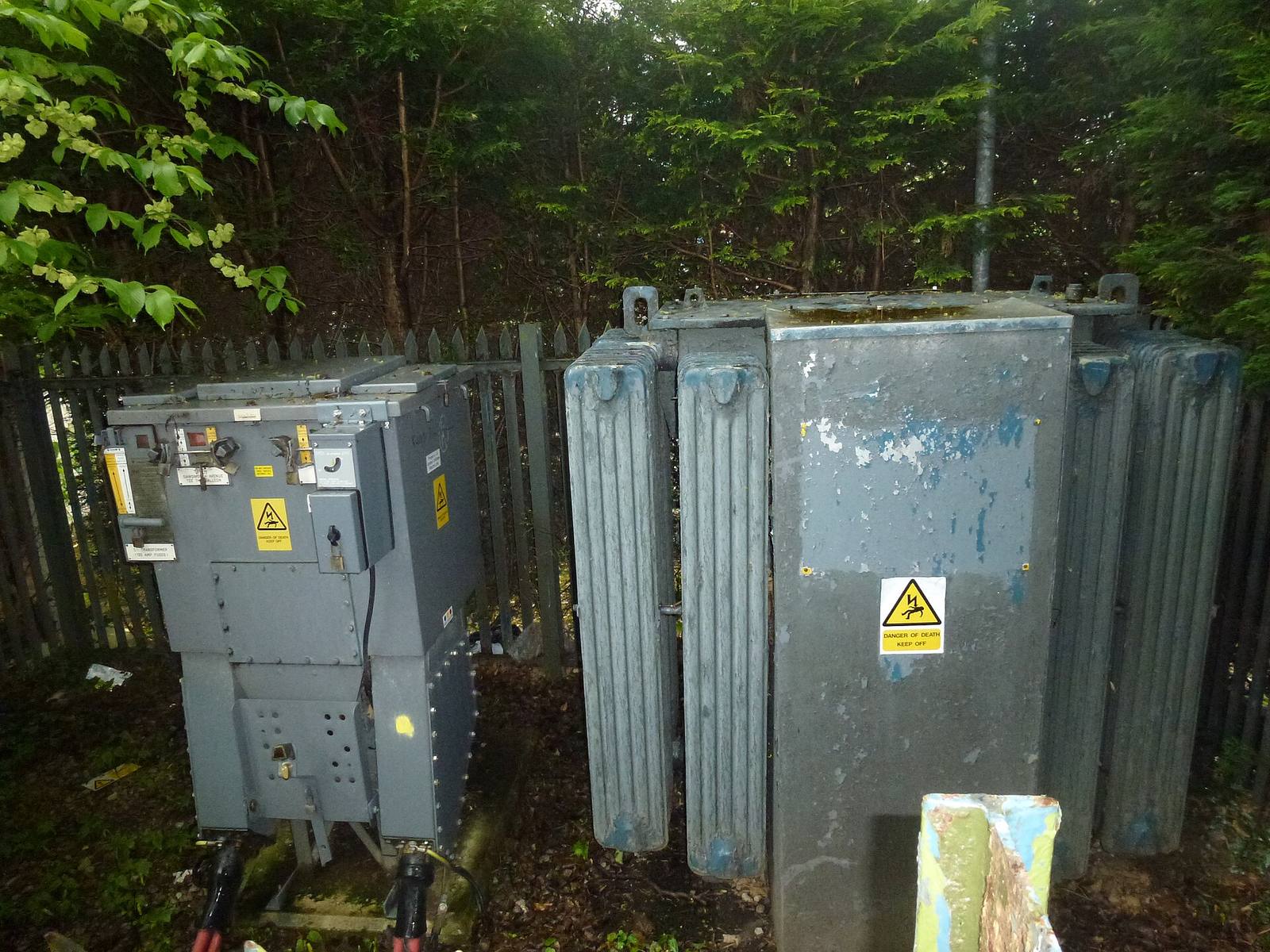
A transformer can lose resale potential while sitting unused, even when it operated normally before removal. Moisture, damaged bushings, leaking seals, missing accessories, and poor records make its condition harder to establish. Good storage protects the equipment and preserves evidence of how it was maintained. Begin with the manufacturer’s instructions and a documented baseline inspection, then choose a storage location and inspection schedule suited to the unit’s construction, condition, and expected storage period.
These transformer storage best practices apply to owners holding surplus or used equipment before a possible sale. Oil-filled and dry-type transformers require different precautions, and an outdoor-rated enclosure does not eliminate storage risks. Qualified electrical personnel should verify isolation and safe handling before anyone accesses internal components. Texas Electrical Transformer Buyers evaluates units for cash purchase, with unit-specific offers based on inspection rather than an assumption that stored equipment is ready for service.
Choose Indoor or Outdoor Storage Based on Construction
Indoor storage generally reduces exposure to rain, sunlight, windblown debris, and temperature swings, but a damp building can still promote corrosion and moisture absorption. Select a secure area with a suitable floor, controlled access, and protection from roof leaks or nearby washdown operations. Keep the transformer away from chemicals and activities that generate conductive dust. For dry-type equipment especially, review the manufacturer’s storage requirements before assuming an unheated warehouse provides adequate protection throughout seasonal changes.
Outdoor storage may be appropriate for equipment designed for it, provided the base remains stable, drainage is adequate, and openings remain properly sealed. Elevate the unit using approved supports where necessary to keep it out of standing water; do not place it on unstable scrap lumber or soft ground. Arrange any protective covering so it sheds water without trapping condensation or blocking needed ventilation. Record site conditions and obtain professional advice when enclosure damage or prolonged exposure makes weather protection uncertain.
- Check manufacturer storage requirements.
- Avoid water and conductive dust.
- Use stable, rated support surfaces.
- Maintain security and drainage.
Monitor Oil Level and Any Nitrogen Blanket
For liquid-filled equipment, document the initial oil-level indication, ambient temperature, visible leakage, and any pressure or vacuum gauge readings available without unsafe access. Oil level changes with temperature, so compare readings in context rather than treating every movement as a leak. Use the manufacturer’s reference markings and instructions to determine what is acceptable. A falling level, persistent wet seam, or damaged valve calls for professional assessment before topping off fluid or opening the tank for investigation.
Some transformers use a nitrogen blanket or a regulated preservation system, while others do not. Follow the instructions for the specific design, including any pressure limits and supply-system checks. Do not add nitrogen, vent the tank, or adjust regulators based on generic advice. Compressed gas creates pressure hazards, and nitrogen can displace breathable air. Qualified personnel should address abnormal readings and cylinder handling. Keep a record of interventions, replacement seals, fluid additions, and any samples taken during storage.
- Log level with ambient temperature.
- Inspect valves and seams externally.
- Follow design-specific pressure limits.
- Leave gas adjustments to professionals.
Protect Bushings and Control Internal Moisture
Bushings and terminal assemblies need protection from impact, contamination, and unsupported mechanical loads. Keep transport or storage guards in place where specified, and prevent cables, tools, or covers from bearing against porcelain or molded components. Document cracks, chips, loose hardware, and missing caps rather than attempting cosmetic repairs. Qualified personnel should verify that disconnected interfaces are protected using appropriate covers or plugs. A tarp is not a substitute for a properly sealed opening into a tank or connection compartment.
Where fitted, inspect breather desiccant according to the manufacturer’s indicator guidance and replacement procedure; color conventions vary by product. For dry-type units or enclosures with space heaters, determine whether the heaters are intended for storage service and how they can be supplied safely. A qualified electrician should arrange any temporary power and protection. Never energize transformer windings merely to dry stored equipment. If moisture intrusion is suspected, professional testing and a manufacturer-approved drying plan may be necessary.
- Guard bushings against impact.
- Seal disconnected interfaces correctly.
- Check desiccant by product instructions.
- Use approved heater arrangements.
Prevent Pest Damage and Respect Stacking Limits
Rodents and insects can enter damaged screens, cable openings, or poorly closed compartments, leaving nesting material, contamination, and chewed insulation. Inspect the storage area as well as the transformer, remove nearby debris, and use an appropriate facility pest-control program. Do not apply chemicals inside electrical compartments without professional guidance. Close doors and secure approved access panels, but preserve ventilation required by the equipment design. Any nest or damaged wiring warrants qualified assessment before internal cleaning or future electrical testing.
Do not stack transformers unless the manufacturer expressly permits the arrangement and specifies suitable supports and limits. A cabinet roof is not automatically a load-bearing surface, and stacking can damage enclosures, bushings, cooling equipment, or tank fittings. Even approved packaged units require attention to pallet condition and floor capacity. Leave clearance for inspections, lifting access, and safe movement around each unit. Store loose accessories separately with durable identification so they remain associated with the correct transformer rather than becoming unidentified spare parts.
- Inspect screens and cable openings.
- Remove nesting opportunities nearby.
- Stack only with explicit approval.
- Label and protect loose accessories.
Keep Inspection Records That Support a Future Sale
Create a storage file containing nameplate photographs, dimensions, available weight information, removal date, prior service history, and the reason the unit became surplus. Include fluid identification, laboratory reports, electrical test reports, and a list of included accessories when available. State clearly which records are missing. Photograph all sides and significant defects at the start of storage. This baseline helps distinguish old damage from new deterioration and gives a prospective buyer useful information without suggesting that unverified equipment has passed testing.
Set periodic inspection intervals using manufacturer guidance, storage conditions, and observed risks rather than a universal calendar rule. Repeat checks after storms, flooding, handling, or building leaks. Compare photographs and readings, record corrective work, and escalate new leakage, corrosion, moisture evidence, or pest activity. Before offering the transformer, update its condition summary and access information. Storage care can preserve options, but value also depends on ratings, completeness, test evidence, demand, and the buyer’s inspection of the actual unit.
- Build a dated baseline file.
- Record readings and corrective work.
- Inspect after unusual exposure events.
- Disclose changes before buyer review.
Common questions
Can an outdoor-rated transformer stay outside until it sells?
Possibly, but outdoor rating alone is not a storage plan. Confirm the manufacturer’s requirements, keep the unit on stable supports with effective drainage, and inspect seals, doors, fittings, and external condition. Damaged enclosures or missing covers may make outdoor exposure unsuitable. Use coverings only where they will not trap moisture or interfere with required ventilation, and reassess the arrangement after severe weather.
Does a low oil-level reading mean I should add oil?
Not automatically. Check the reading against ambient temperature and the manufacturer’s level guidance, and look for documented changes or visible leaks. Adding incompatible fluid or opening the system unnecessarily can create further problems. Have a qualified transformer service professional investigate an abnormal level and identify the correct fluid and procedure if addition is needed. Preserve records of the findings and any work performed.
Will maintenance records guarantee a higher purchase offer?
No. Records help a buyer understand condition and reduce uncertainty, but they do not guarantee a particular offer or establish current operating suitability. Useful documentation includes nameplate data, dated inspection logs, fluid results, electrical testing, and repair history. Missing records should be disclosed rather than reconstructed from assumptions. Purchase evaluation still depends on the individual transformer, its condition, completeness, and inspection.
Reviewed by the Texas Electrical Transformer Buyers buying desk · Last updated November 13, 2026