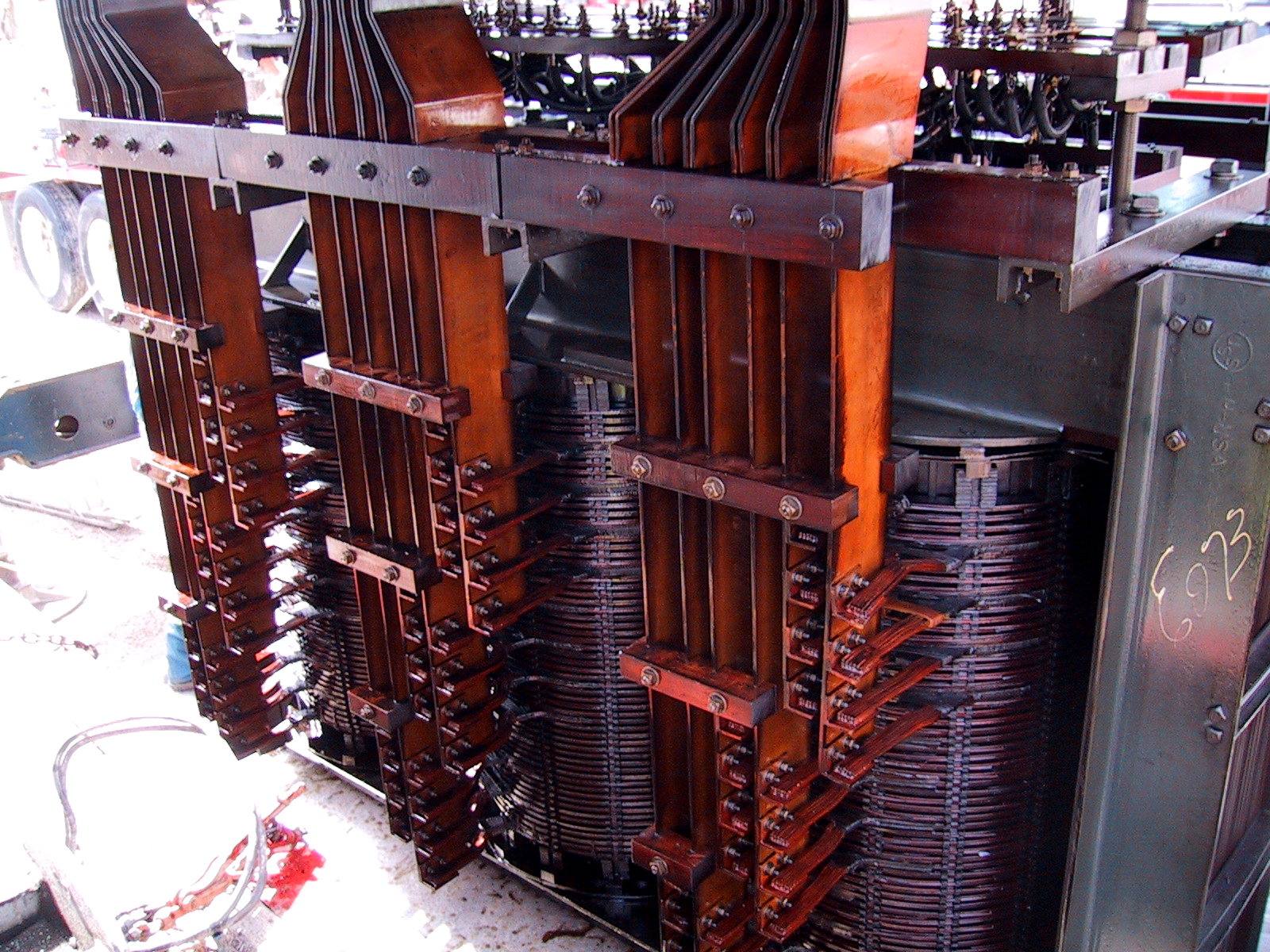
A transformer’s scrap weight is only one part of its value. An intact unit may retain equipment value because of its ratings, configuration, condition, and supporting records. A damaged or obsolete unit may be worth more through controlled dismantling and material recovery. The practical question is what you keep after disconnection, rigging, loading, transportation, fluid handling, and documentation—not which initial offer looks larger on a purchase sheet.
Start a selling vs scrapping transformer comparison before anyone drains the tank, cuts conductors, or removes the nameplate. Those actions can reduce equipment value and complicate environmental handling. Gather the identification details, establish who owns the unit, and obtain separate scopes for intact removal and scrap processing. Texas Electrical Transformer Buyers buys surplus and used transformers for cash; any equipment offer is unit-specific and based on inspection rather than assumed metal content alone.
1. Establish Whether the Transformer Has Equipment Value
Photograph the complete nameplate, enclosure, bushings or terminals, gauges, and any visible damage from a safe position. Record kVA or MVA, primary and secondary voltages, phase, frequency, cooling designation, impedance, and approximate dimensions. For liquid-filled equipment, include the fluid designation and listed fluid quantity when available. Identify missing components and whether the transformer was operating when removed from service. Do not open energized compartments or approach exposed electrical parts to obtain better photographs.
Maintenance records can distinguish a serviceable surplus transformer from an uncertain recovery project. Provide available electrical test reports, oil analyses, repair records, and the reason for retirement. A recent test is useful only when its date, methods, results, and connection to the specific serial number are clear. Qualified electrical personnel should decide whether additional testing is appropriate. Spending money on tests makes sense when the likely improvement in valuation exceeds the test cost and scheduling burden.
- Capture every readable nameplate field.
- Match reports to the serial number.
- Disclose faults, leaks, and missing parts.
- Leave electrical inspection to qualified personnel.
2. Compare Net Proceeds Using Matching Removal Scopes
Request a written explanation of what each offer includes. An intact purchase might cover pickup but exclude electrical disconnection, crane service, or work inside the building. A scrap quote might assume the owner delivers a drained, dismantled unit. Those are different transactions. Put both options on the same basis by assigning responsibility for every task between the current installation and final acceptance. Include shutdown labor, lifting equipment, access modifications, freight, cleanup, and any required testing or fluid management.
Use a simple calculation: gross payment minus all owner-paid costs equals estimated net proceeds. Keep uncertain costs separate instead of hiding them in a single allowance. A narrow doorway, weak pavement, overhead obstruction, or undocumented oil can change the result substantially. Ask contractors to identify exclusions, minimum charges, and conditions that trigger additional work. Compare the likely outcome under the stated scope, then check how a rejected load, failed inspection, or postponed pickup would affect your budget.
- Separate gross payment from net proceeds.
- Price rigging and transport explicitly.
- Identify exclusions before accepting terms.
- Include a contingency for uncertain work.
3. Work Through a Hypothetical Intact-Sale and Scrap Example
Consider a clearly hypothetical transformer weighing 12,000 pounds: 8,000 pounds of recoverable steel, 1,500 pounds of recoverable copper, 1,000 pounds of fluid, and 1,500 pounds of other material. Assume hypothetical scrap values of $0.08 per pound for steel and $2.00 per pound for separated copper. Gross metal revenue would be $640 plus $3,000, or $3,640. These figures are calculation inputs, not market quotations, company offers, or verified recovery yields for an actual transformer.
Now assume scrap preparation costs $900, rigging costs $1,200, hauling costs $450, and fluid testing and handling cost $600. Estimated scrap net proceeds become $490. If a hypothetical intact equipment offer is $4,500, with $1,200 in owner-paid rigging and $450 in hauling, its estimated net is $2,850. Electrical disconnection is excluded equally from both calculations. Different metal recovery, contamination, missing components, or included pickup could reverse the result, so replace every assumption with an actual scoped quote.
- Hypothetical gross scrap revenue: $3,640.
- Hypothetical scrap expenses: $3,150.
- Hypothetical intact-sale net: $2,850.
- Verify weights and actual cost allocations.
4. Account for Oil, Rigging, Documentation, and Liability
Liquid-filled transformers require more than a plan to move the steel tank. Establish the fluid type, available PCB records, leakage history, and whether sampling is needed. Do not assume that age, appearance, or a missing label establishes PCB status. A qualified environmental professional should evaluate uncertain records and specify appropriate testing and handling. Draining fluid without a documented destination can create avoidable exposure and expense. Keep the transformer intact until the receiving party and handling contractor confirm their acceptance requirements.
Mechanical removal also needs professional planning. A rigging contractor should verify total lifting weight, suitable lifting points, crane reach, ground conditions, and the loading path. Qualified electrical personnel must isolate the equipment, control stored energy, and verify the required safe condition before mechanical work begins. Document who performs each task and when custody changes. A bill of sale alone does not establish safe handling or erase every responsibility; obtain appropriate insurance documentation and professional advice about contractual risk allocation.
- Confirm fluid identity and PCB documentation.
- Assign testing, containment, and disposal duties.
- Verify weight before selecting lifting equipment.
- Record acceptance and transfer conditions.
5. Recognize When Scrap Is the Better Route
Scrap can be the practical choice when a transformer has severe winding damage, a compromised tank, extensive missing components, or a configuration with little remaining equipment demand. It may also make sense when refurbishment, testing, and transport would consume the likely intact value. However, rejection by one equipment buyer does not prove that dismantling is best. Compare realistic offers and processing costs before destructive work, especially when the unit remains complete and its service history is reasonably well documented.
Choose a processor that can explain its acceptance criteria, material preparation requirements, fluid handling arrangements, and settlement method. Determine whether payment depends on certified scale weight, separated metal grades, or a fixed whole-unit agreement. Ask how nonmetal residues and rejected materials will be handled. For either route, preserve photographs, the purchase agreement, weight tickets where applicable, fluid records, and pickup acknowledgment. Owners considering an intact sale to Texas Electrical Transformer Buyers should assemble that information before requesting an inspection-based offer.
- Compare recovery costs against equipment value.
- Confirm the processor accepts the complete unit.
- Document weighing and settlement terms.
- Retain records after the equipment leaves.
Common questions
Should I drain the oil or remove the copper before requesting an offer?
Usually, request an intact evaluation first. Removing fluid, cutting leads, or dismantling windings can eliminate equipment value and create additional handling obligations. The receiving party may have specific requirements for fluid condition and documentation. If draining is necessary, use qualified personnel and an approved handling plan that addresses testing, containment, transportation, and the fluid’s documented destination.
How can I estimate copper weight without taking the transformer apart?
Start with manufacturer documentation or reliable construction records for the specific unit. Total nameplate weight does not establish copper content, and some transformers use aluminum windings. Photos and ratings can support an initial review, but they do not prove recoverable metal weight. Treat any unverified estimate as a range, and ask the processor how actual material grades and weights will affect settlement.
Does selling the transformer remove all of my liability?
Do not assume that a sale transfers every environmental or site responsibility. The agreement should identify ownership, custody, handling duties, and acceptance conditions, but contractual language may not resolve all regulatory obligations. Preserve condition and fluid records, verify the contractors’ responsibilities, and ask qualified local counsel and an environmental professional to review significant uncertainties before removal.
Reviewed by the Texas Electrical Transformer Buyers buying desk · Last updated November 13, 2026