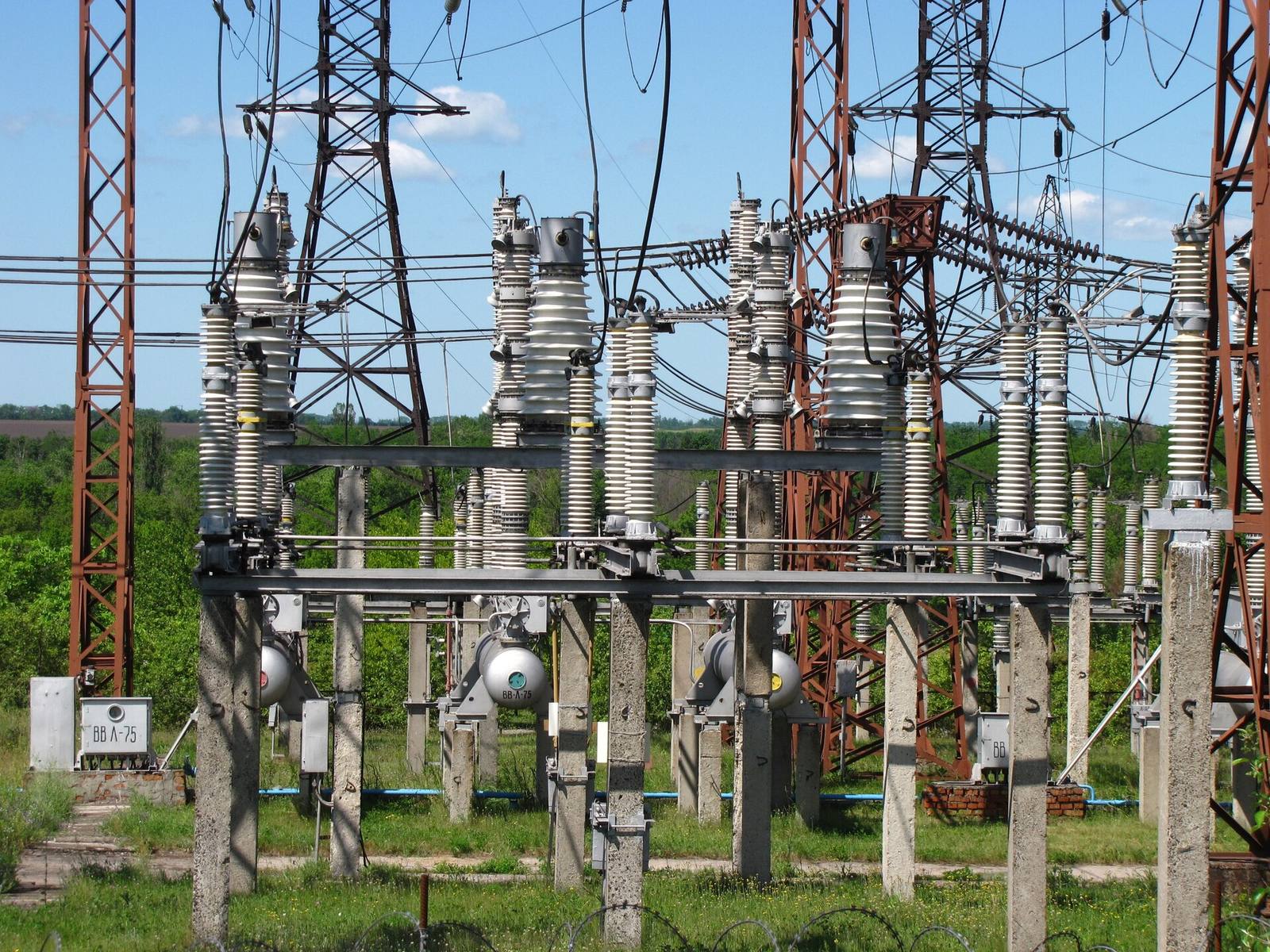
Selling decommissioned substation equipment starts with understanding what is actually available, not simply counting transformers. A retired yard may include breakers, switchgear, buswork, protective relays, current transformers, potential transformers, capacitor banks, structural steel and cable. Each asset has different inspection requirements, removal costs and potential reuse value. Before requesting an offer, establish ownership, identify the equipment and separate confirmed information from assumptions about condition or operating history.
Texas Electrical Transformer Buyers evaluates surplus and used transformers for purchase. When a transformer is part of a larger retirement package, provide the complete equipment list so the scope can be reviewed rather than assuming every component will be purchased. This guide explains how to assemble that package, preserve useful records and coordinate removal. Any offer is unit-specific and based on inspection; technical suitability and practical handling requirements both matter.
Build an Asset Register Before Anything Is Dismantled
Create one inventory line for each major asset and give it a unique identifier that matches photographs and drawings. For transformers, record manufacturer, serial number, kVA or MVA rating, primary and secondary voltages, cooling designation and nameplate weight where available. For breakers and switchgear, capture voltage class, continuous current, interrupting ratings and mechanism details. Record CT ratios, PT ratios, relay model numbers and capacitor-bank ratings separately; these details determine whether accessories belong to a useful, identifiable package.
Photograph the overall arrangement before crews disconnect equipment, then capture readable nameplates, terminal markings, mounting arrangements and visible damage. Include steel structures, bus supports, cable lengths and cable markings without assuming their value matches complete electrical equipment. Mark missing parts and distinguish installed assets from loose spares. If drawings conflict with field labels, have qualified personnel resolve the discrepancy. A clear register helps prevent mistaken ownership, accidental disposal and offers based on equipment that is no longer present.
- Assign a unique asset number.
- Photograph labels and connections.
- List accessories and missing components.
- Verify ownership and release authority.
Use Documentation to Support Condition and Compatibility
Gather one-line diagrams, equipment schedules, maintenance records and available test reports before requesting a review. Transformer oil analyses, breaker timing results, relay settings and insulation test records can help explain how equipment was maintained, but their dates and test conditions matter. A report from before a fault or long storage period does not establish current condition. Preserve original files where possible and identify which asset each document covers using serial numbers or your inventory identifiers.
Complete documentation can reduce uncertainty without guaranteeing a higher offer. It allows a buyer to distinguish a serviceable assembly from an incomplete collection of parts and identify where further inspection is needed. Explain why the substation was retired and whether equipment experienced flooding, overheating, protective trips or mechanical damage. If records are missing, state that plainly. Do not substitute an unsupported statement such as 'working when removed' for test data, and do not energize retired equipment just to demonstrate operation.
- Match reports to serial numbers.
- Include dates and operating context.
- Disclose faults and water exposure.
- Identify unverified condition claims.
Compare Complete Packages With Separate Equipment Lots
Bundling is most useful when components retain a clear relationship. A transformer with its compatible accessories and documented connections may be easier to evaluate than the same unit stripped of bushings, cooling equipment or control cabinets. Likewise, identified switchgear sections with their breakers and drawings can present a more coherent package than disconnected sections. However, unrelated equipment can complicate a purchase. Ask which items are included in the proposed scope rather than treating the entire yard as one guaranteed acquisition.
Consider reuse potential and removal economics separately. Buswork and steel can be bulky relative to their recoverable value, while cable condition, conductor material and accessible lengths affect handling decisions. CTs, PTs, relays and capacitor banks require identifiable ratings and suitable condition to support equipment-level evaluation. Mixed lots may save mobilization costs, but sorting, contamination concerns or difficult access can offset that advantage. Avoid cutting cable or dismantling assemblies until the buyer and removal contractor have agreed on what should remain intact.
- Keep matched components together.
- Separate reusable assets from scrap.
- Confirm every included item.
- Compare sorting and hauling costs.
Sequence Removal Around Electrical and Rigging Safety
Start with a removal plan prepared by qualified electrical and rigging professionals. Electrical personnel must establish isolation, apply appropriate lockout/tagout procedures, verify absence of voltage and address grounding and stored energy before work proceeds. Capacitor banks can retain hazardous charge, and disconnected conductors can still present induced-voltage hazards. A retired designation is not proof that equipment is safe. Define the boundaries between operating and decommissioned systems, including any shared control power, grounding connections or structures.
The physical sequence should preserve safe access and structural stability while protecting components intended for reuse. Qualified crews can determine when cable, bus connections and attached accessories must be removed before lifting major units. They should assess lifting points, actual transport weight, crane setup, ground conditions and haul routes. Transformer oil handling requires an appropriate containment and environmental plan. Do not drain, cut, weld or open electrical equipment as informal preparation; those actions can create hazards, damage recoverable components and change the purchase scope.
- Confirm isolation before physical work.
- Address stored and induced energy.
- Engineer lifts and structural sequencing.
- Plan fluid containment and transport.
Define the Inspection, Purchase and Handoff Scope
Submit an organized package containing the asset register, photographs, available records and a description of site access. Explain whether equipment remains installed, has been disconnected or is already stored. Identify gate restrictions, overhead obstructions, loading surfaces and any required site orientation. Share the intended shutdown or property-clearance schedule without assuming it establishes a pickup commitment. This information lets a buyer separate equipment evaluation from the cost and feasibility of retrieving it safely and without disrupting equipment that remains in service.
Before authorizing removal, document which assets are being purchased and who is responsible for disconnection, lifting, loading, hauling and cleanup. Clarify how inspection findings, missing components or newly discovered fluid issues will be handled. Have qualified environmental or legal professionals address disposal obligations and contract questions where needed. At handoff, reconcile asset identifiers against the agreed list and record the condition of the transferred equipment. Clear boundaries protect both the seller's remaining property and the integrity of the purchased transformer package.
- Submit photos, records and access details.
- Allocate removal responsibilities in writing.
- Resolve inspection exceptions before loading.
- Reconcile assets at final handoff.
Common questions
Should I offer the whole substation as one package?
Provide the complete inventory first, but do not assume every item belongs in one purchase. Compatible transformers, accessories and documented assemblies may benefit from being evaluated together. Unrelated steel, damaged cable or unidentified controls may require a separate disposition plan. Texas Electrical Transformer Buyers can review the transformer opportunity and clarify the proposed scope; offers depend on the specific equipment and inspection.
Can I remove bushings, cable and cooling equipment before inspection?
Avoid stripping the transformer before the evaluation and removal scope are settled. Removing bushings, radiators or control components can introduce moisture, damage seals and make completeness harder to verify. Qualified electrical and rigging personnel should determine what must be disconnected or removed for safe transport. Photograph connections and label retained accessories before any approved dismantling begins.
What if the substation has older oil-filled equipment with unknown fluid history?
Flag the unknown history and provide any existing fluid analyses or service records. Depending on the equipment and circumstances, qualified environmental professionals may recommend sampling or additional characterization, including evaluation of PCB concerns. Do not drain or mix fluids to prepare the package for sale. Fluid handling, transportation and disposal requirements should be resolved by appropriate professionals before removal.
Reviewed by the Texas Electrical Transformer Buyers buying desk · Last updated November 13, 2026