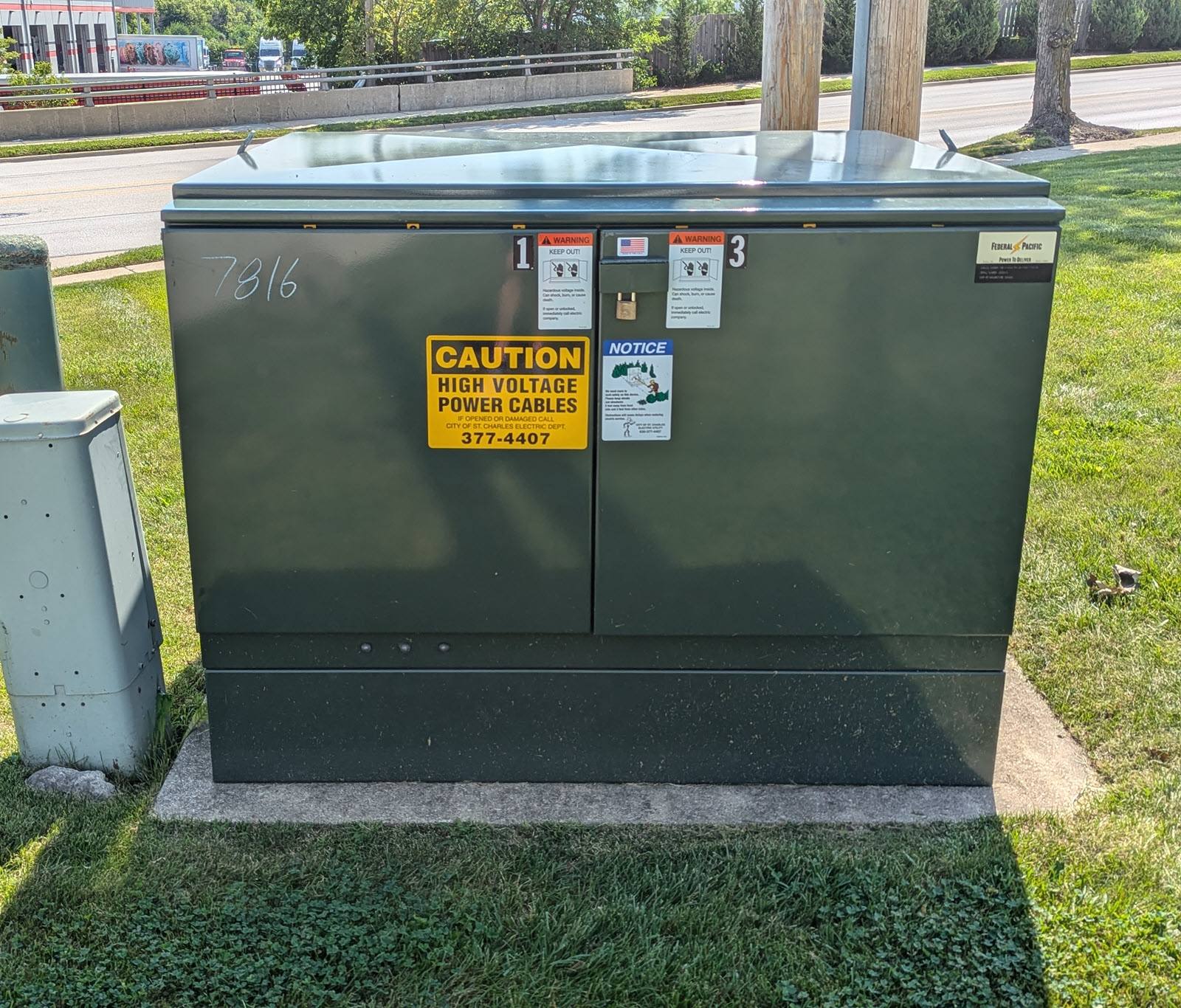
A pad-mounted transformer is not ready for removal just because the connected equipment has stopped running. Ownership, utility boundaries, underground cables, insulating fluid, and lifting access all need to be established before work begins. This guide explains how to prepare a unit for removal while preserving its resale potential. It is intended for owners and facility managers coordinating qualified electrical contractors, riggers, environmental professionals, and a prospective equipment buyer.
Start pad mount transformer removal planning before scheduling demolition or ordering replacement equipment. Photograph the nameplate, identify who owns the transformer, and collect available maintenance and fluid records without opening energized compartments. Texas Electrical Transformer Buyers buys surplus and used units for cash, but offers are unit-specific and based on inspection. Removal costs, missing components, damage, and incomplete documentation can affect whether selling the unit is practical compared with other disposition options.
Establish Ownership and Coordinate the Outage
Confirm whether the transformer belongs to your organization, the serving utility, or another party under an existing agreement. A unit located on your property is not necessarily yours to sell. Ask the utility to identify its equipment and service boundary, and have your electrical contractor review the one-line diagram and actual field connections. Resolve ownership and authorization questions before requesting disconnection, arranging a crane, or representing the transformer as available for purchase.
Plan the outage around every possible source of electrical energy, including generators, alternate feeds, and connected equipment capable of backfeeding. The utility and qualified electrical personnel should determine who disconnects each circuit and establishes the electrically safe work condition. Switching, lockout/tagout, absence-of-voltage testing, and any required grounding belong to trained personnel following applicable procedures. Keep unqualified staff outside the work area; do not assume a utility outage alone makes every transformer compartment safe to enter.
- Confirm ownership and sale authorization.
- Identify utility and customer boundaries.
- Map normal and alternate feeds.
- Assign switching and isolation responsibilities.
Inspect the Unit and Plan Cable Terminations
Collect the kVA rating, primary and secondary voltages, phase, serial number, impedance, connection information, and fluid type from accessible records or safely obtained nameplate photographs. After electrical clearance, qualified personnel can document bushings, elbows, terminal pads, cabinets, and signs of leakage or corrosion. Note whether accessories remain with the transformer. A complete, identifiable unit is easier to evaluate than one with removed terminals, damaged compartments, or an unreadable nameplate, although condition still requires inspection.
Have the electrical contractor decide how cables will be disconnected, identified, protected, and handled after removal. Separable connectors, bolted secondary connections, and older cable arrangements require different methods; pulling on cables or using the transformer as leverage can damage both equipment and underground circuits. Label each circuit before separation and document the cable routing. If cables will serve a replacement transformer, verify their condition, length, rating, and termination compatibility rather than assuming the existing arrangement will transfer unchanged.
- Photograph nameplate and accessible components.
- Record fluid and maintenance history.
- Label cables before qualified disconnection.
- Protect retained cables and bushings.
Check the Pad, Site Barriers, and Lifting Route
Inspect the concrete pad for cracking, settlement, exposed edges, anchoring, and the relationship between the transformer base and cable openings. A sound-looking surface does not establish lifting-equipment bearing capacity or replacement suitability. Identify bollards, fencing, gates, overhead conductors, buried utilities, and nearby structures that restrict access. Have qualified site personnel assess whether barriers can be temporarily removed and restored without compromising security or damaging foundations, underground cables, or other infrastructure around the pad.
Give the rigging contractor verified dimensions and weight, including fluid where applicable, and photographs of the entire approach route. Crane or boom access depends on working radius, overhead clearance, ground conditions, outrigger space, and truck positioning—not merely whether a truck fits through the gate. Use manufacturer-identified lifting provisions and a professionally developed lift plan. Never substitute cabinet handles, bushings, or unverified attachment points. Keep the load path clear and establish an exclusion zone before lifting begins.
- Measure gates, routes, and clearances.
- Verify lifting weight and provisions.
- Assess pad and outrigger support.
- Plan bollard and fence restoration.
Manage Oil Containment and Disposal Responsibilities
Identify the insulating fluid and review available laboratory results before disturbing the tank or arranging shipment. Older equipment or incomplete records may warrant sampling by a qualified professional, including assessment of PCB status where relevant. Do not infer fluid composition from appearance or age alone. Inspect accessible surfaces for wet seams, valve leakage, staining, and damaged fittings. Tell the buyer and removal contractor about known leaks early so they can evaluate handling requirements and whether specialized containment is needed.
Develop a spill-control plan appropriate to the fluid quantity, site drainage, and lifting route. Protect drains and have suitable containment and response materials available before work starts. Draining is not automatically necessary for resale or transport and should occur only under an agreed technical plan. Assign responsibility for recovered fluid, contaminated absorbents, damaged equipment, and any affected soil. Use qualified environmental and waste contractors to determine handling and disposal requirements; an equipment purchase does not automatically resolve those obligations.
- Document fluid type and test results.
- Identify leaks and nearby drains.
- Assign spill-response responsibilities.
- Confirm authorized waste handling arrangements.
Complete the Pre-Removal Checklist and Replacement Sequence
Before mobilization, hold a coordination review with the owner, utility contact, electrical contractor, rigging contractor, and receiving party. Confirm authorization, outage scope, cable disposition, lifting information, containment provisions, transportation arrangements, and site restoration responsibilities. Establish who can stop the job if conditions differ from the plan. Provide the buyer with current photographs and disclose removed parts or newly discovered damage. Do not schedule a lift around an assumed offer; agree on the transaction and handling scope separately.
If service must resume through a replacement unit, sequence its delivery, pad work, cable preparation, testing, and energization before removing the existing transformer. Compatibility includes voltage, kVA, impedance, connection, footprint, compartment layout, and required working clearances. The replacement may require pad modifications or new terminations, extending the outage. Where temporary service is proposed, have qualified professionals design and coordinate it. Retain final condition photographs, transfer documentation, and any fluid or disposal records after the old unit leaves.
- Approve outage and pre-removal checklist.
- Confirm buyer and transportation scope.
- Verify replacement fit and connections.
- Retain removal and transfer records.
Common questions
Can I sell a transformer that the utility disconnected?
Disconnection does not establish ownership or permission to sell. Confirm who owns the transformer through your records and the serving utility before offering it. Also determine whether customer-owned cables or other retained equipment remain attached. Once ownership and availability are established, provide nameplate photographs and condition information for evaluation. Any offer is unit-specific and based on inspection.
Should the oil be drained before the transformer is picked up?
Not without an agreed handling plan. Draining can introduce moisture, create waste-handling obligations, and change the unit’s condition. The buyer, qualified transport provider, and environmental professional should determine whether the transformer can move with its fluid intact or requires another arrangement. Disclose leaks and available fluid test results before scheduling removal, and never drain insulating fluid onto the ground or into a drain.
What if bollards or fencing block the crane?
Have the rigging contractor evaluate the access restriction before mobilization. Temporary barrier removal may be feasible, but foundations, underground services, security needs, and restoration all need consideration. An alternative crane position may require greater working radius or different equipment. Do not remove protective barriers or improvise a lifting route without approval from responsible site personnel and the professionals planning the lift.
Reviewed by the Texas Electrical Transformer Buyers buying desk · Last updated November 13, 2026