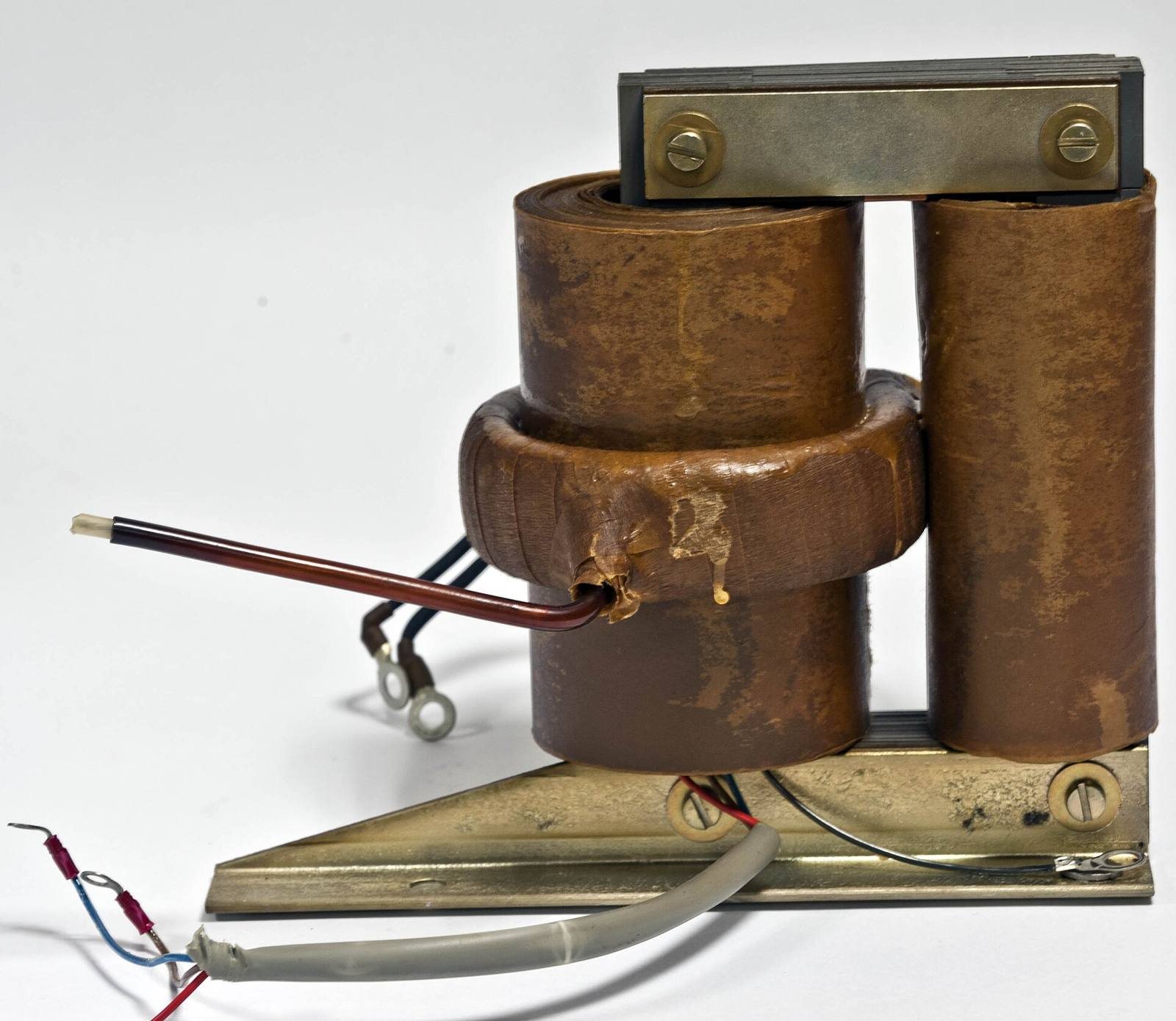
Evaluating transformer condition starts with separating what you know from what still needs verification. A clean enclosure does not establish that insulation is sound, and a missing test report does not automatically make a unit unusable. Before requesting an offer, assemble the nameplate information, operating history, maintenance records, and clear photographs. These materials help a buyer decide which uncertainties matter and whether additional testing would meaningfully improve the evaluation.
Your role as the owner or equipment manager is primarily to document, not diagnose. You can gather records and photograph accessible exterior surfaces without energizing the transformer or opening electrical compartments. Electrical isolation, oil sampling, internal inspection, and diagnostic testing belong with qualified personnel using appropriate procedures. Keep equipment status explicit throughout the process: installed, disconnected, stored, or awaiting removal each presents different inspection constraints and handling requirements.
Start With a Safe Exterior Inspection
First establish whether the transformer is energized, isolated, or simply believed to be disconnected. Do not treat an open switch or an idle facility as proof of a safe condition. Qualified electrical personnel must verify isolation and address stored energy, grounding, and possible backfeeds before anyone accesses electrical components. From an approved observation area, record visible enclosure damage, corrosion, oil staining, broken gauges, damaged bushings, and missing covers without touching or disturbing the equipment or crossing established approach boundaries.
Photograph the full unit, nameplate, accessible cooling surfaces, visible terminals, and any questionable areas from safe positions. Distinguish an old stain from an active leak only when supporting observations are available; a photograph alone may not establish the difference. Note whether radiators are bent, fans appear incomplete, or enclosure vents are obstructed. For dry-type equipment, report externally visible dust or water intrusion without removing panels. Exterior findings guide further investigation but cannot confirm the condition of concealed windings and insulation.
- Confirm equipment status with qualified personnel.
- Capture legible nameplate photographs.
- Document damage without disturbing components.
- Identify missing parts and visible leaks.
Use Electrical Tests to Answer Specific Questions
Insulation resistance testing measures resistance through insulation under an applied DC test voltage. Results depend on temperature, moisture, test duration, connections, and the equipment design, so a single number without context is weak evidence. A qualified testing firm should select suitable test voltages and document conditions, readings, and discharge procedures. Comparisons with prior results can reveal changes, but acceptance should follow applicable manufacturer guidance and professional interpretation rather than a universal resistance threshold copied from another transformer.
Winding resistance measurements can reveal abnormal connections, winding problems, or issues associated with tap contacts. A transformer turns ratio test checks the relationship between windings and helps verify the expected ratio at the tested tap positions. Neither test alone establishes complete serviceability. Ask the testing firm to record winding configuration, tap position, temperature, instrument details, and any limitations. DC winding tests also require controlled discharge and may require demagnetization before subsequent testing or return to service, as directed by the specialist.
- Request results for identified windings.
- Record temperature and tap position.
- Compare against relevant historical tests.
- Have anomalies professionally interpreted.
Understand Oil Analysis, Moisture, and Partial Discharge
For liquid-filled transformers, dissolved gas analysis, or DGA, examines gases in insulating fluid that can indicate thermal or electrical activity. Interpretation depends on gas patterns, concentrations, changes over time, and operating context. One sample is a snapshot, not a complete diagnosis. Have qualified personnel collect representative samples using appropriate containers and procedures. Ask for the laboratory report, sampling date, fluid type, operating status, and previous results so a buyer can distinguish a developing trend from an isolated finding.
Moisture testing helps assess an important insulation risk, but water measured in oil does not directly establish the moisture content of solid insulation. Temperature and equilibrium conditions influence interpretation. Depending on design and suspected defects, a specialist may recommend dielectric testing or partial discharge assessment. Partial discharge involves localized electrical activity within or around insulation; measurement methods and interference control matter. Do not energize an unknown unit just to obtain a reading or attempt sampling through an unfamiliar valve yourself.
- Identify the insulating fluid type.
- Preserve complete laboratory reports.
- Include sampling conditions and dates.
- Use specialists for discharge assessment.
Check Tap Changers and Reconstruct Load History
Identify whether the unit has a de-energized tap changer or a load tap changer, and collect its maintenance records. The inspection approach differs substantially between these designs. A de-energized tap changer must not be operated while energized, and any operation requires the proper isolation procedure. Load tap changers may need specialized examination of contacts, mechanisms, controls, and their separate fluid compartments where fitted. Record the indicated position without assuming it proves correct internal contact engagement or reliable operation.
Load history gives test results their operating context. Gather available demand logs, loading records, alarm events, cooling failures, trips, and reports of unusual noise or overheating. Sustained heavy loading and repeated thermal stress can affect insulation even when the tank looks sound. Conversely, calendar age alone does not describe actual duty. If the records are incomplete, state the gap rather than estimating service conditions. Include known outages, extended storage, and any documented repairs that changed the windings or cooling arrangement.
- Identify the tap changer design.
- Collect maintenance and repair reports.
- List trips and cooling failures.
- Separate recorded facts from recollections.
Build a Condition Package Before Authorizing More Testing
Organize the available evidence into one package: nameplate photographs, ratings, serial number, equipment status, exterior images, maintenance history, and complete test reports. Label each report by date and explain whether the transformer operated afterward. A recent report may still leave questions if the unit experienced a fault, flooding, or mishandling since testing. Include storage conditions and known missing accessories. This lets a buyer evaluate both the physical unit and the reliability of the information supporting its stated condition.
Before commissioning a broad testing program, discuss which unknowns are likely to affect the purchase decision. Testing costs may not be justified for every unit, while targeted investigation can be worthwhile when a specific uncertainty prevents evaluation. Ask a qualified firm for a defined scope, safety requirements, and interpretive report rather than requesting unspecified certification. Texas Electrical Transformer Buyers evaluates surplus and used transformers for purchase; offers are unit-specific and based on inspection, with unresolved condition issues considered during that assessment.
- Submit full reports, not selected readings.
- Disclose incidents occurring after testing.
- Define the scope before authorizing work.
- Document remaining condition uncertainties.
Common questions
Can I check transformer condition without energizing it?
You can collect records, read an accessible nameplate, and photograph exterior conditions from a safe, authorized position. Do not open compartments, touch terminals, operate tap changers, or sample fluid merely because the unit appears disconnected. Many diagnostic tests use their own test sources and do not require normal service energization, but qualified personnel must establish safe isolation and conduct those tests.
Does a good insulation resistance reading mean the transformer is ready for service?
No. Insulation resistance addresses only part of the condition assessment and depends on test setup, temperature, and other factors. It does not rule out ratio errors, defective connections, tap changer problems, or every internal insulation defect. A qualified testing firm should interpret it alongside other relevant tests, inspection findings, manufacturer information, and operating history. Avoid describing a unit as service-ready based on one favorable result.
Should I pay for new testing before contacting a buyer?
Start by sharing the records and photographs you already have. A buyer can identify whether missing information materially limits evaluation, and a testing firm can recommend an appropriate scope. Commissioning every available test may add expense without changing the purchase decision. Where electrical access, sampling, or internal examination is required, use qualified professionals and agree on responsibility for testing costs before work begins.
Reviewed by the Texas Electrical Transformer Buyers buying desk · Last updated November 13, 2026