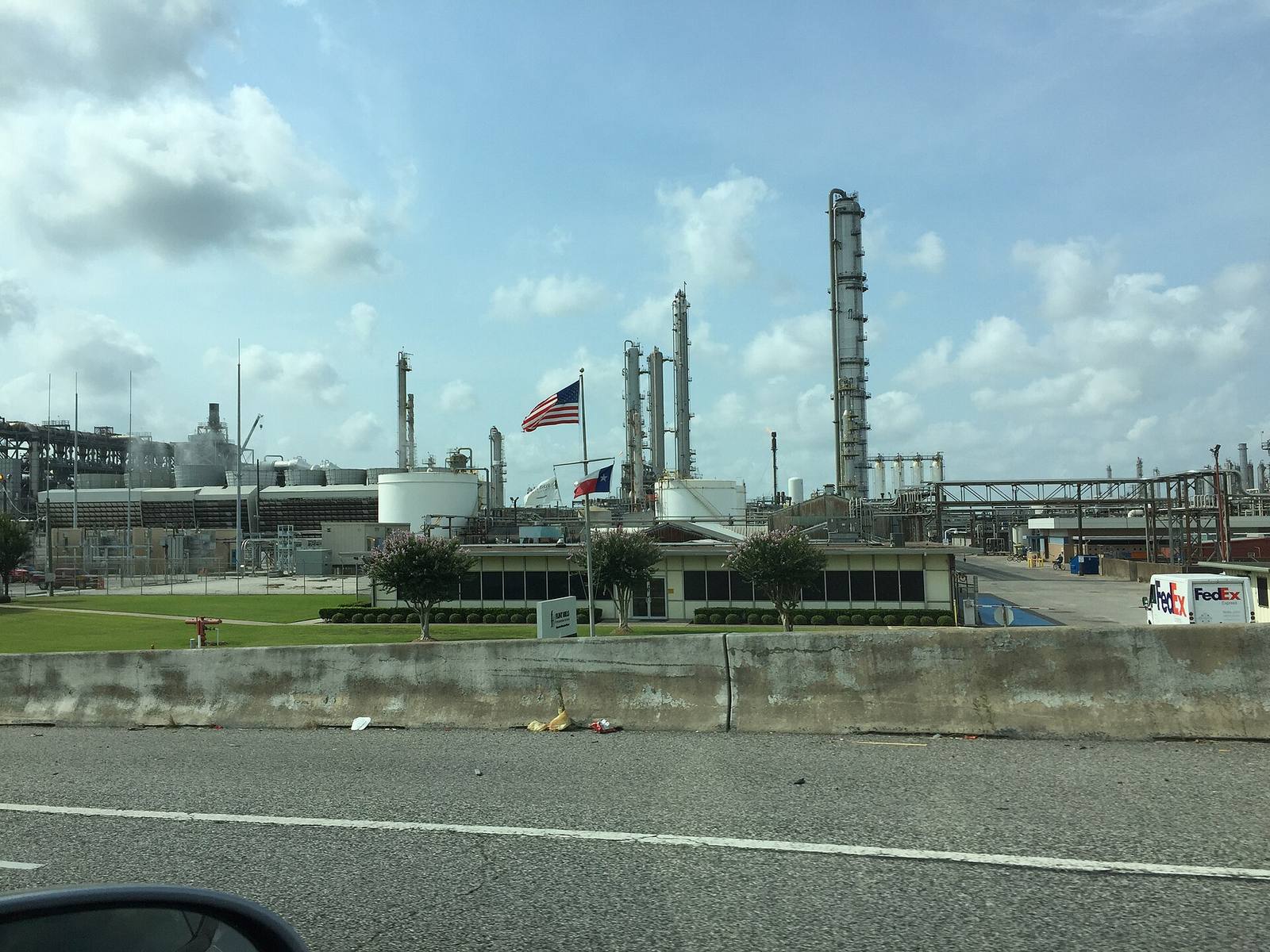
Orange combines Sabine River industry with a fabrication, marine, and chemical support business setting. Its Port of Orange and industrial and shipbuilding heritage provide useful context for equipment sellers across Orange County on the Gulf Coast. Texas Electrical Transformer Buyers purchases used and surplus transformers from authorized sellers. Whether your unit served a shop, waterfront operation, or industrial support building, its specifications and removal conditions are the starting point.
Electrical equipment from Orange shops and river industry
Fabrication shops and industrial support buildings commonly use dry-type transformers for indoor distribution and pad-mounted units for facility service. Larger industrial applications may involve liquid-filled substation equipment. These general equipment patterns help sellers identify what to submit; they are not claims about assets at the Port of Orange. Include both installed units awaiting replacement and disconnected spares that your business no longer needs.
For each transformer, supply photographs showing the nameplate and overall construction. Useful specifications include capacity, primary and secondary voltage, phase, manufacturer, and serial number. Explain whether the enclosure, terminals, and accessories are intact. If a unit came from a building renovation or shop relocation, describe its last use and how it has been stored since removal, including any period exposed to weather outdoors.
- Indoor dry-type units
- Facility pad-mounted transformers
- Industrial substation equipment
- Surplus shop power equipment
Moving transformers from shops and waterfront sites
Pickup planning in Orange starts with the actual loading environment, not simply the street location. A shop transformer may need to pass through a doorway, while a waterfront industrial unit may require controlled access and dedicated lifting equipment. Provide photographs of the loading route and identify floor changes, narrow openings, fencing, or overhead structures. Confirm where a truck can safely wait and receive the equipment.
A forklift is not automatically suitable because a transformer appears compact. Verify the weight, handling provisions, and capacity of the proposed loading equipment with qualified personnel. Larger units may require a crane or other rigging arrangement. Before pickup, agree on who provides disconnection, lifting, loading, and transport. Site rules and any port-related access requirements should be communicated by the seller before equipment or personnel arrive.
- Measure doors and clearances
- Verify equipment weight
- Confirm safe lifting provisions
- Explain waterfront access rules
How selling works in Orange
Send your equipment details with the Orange location and identify the person authorized to approve the sale. We review the transformer’s specifications, reported condition, and removal needs to determine the next evaluation steps. An offer is unit-specific and based on inspection. Service history and handling requirements matter, so neither physical size nor a rough estimate of metal content establishes the purchase terms by itself.
The agreement should make payment and release expectations clear before loading begins. Confirm the accepted amount, payee, payment method, and timing, along with which accessories are included. If a property manager or removal contractor is coordinating access, distinguish that role from ownership of the transformer. Keep a copy of the agreed terms and make sure the person releasing equipment understands the conditions for transfer.
- Confirm ownership documentation
- Send specifications and photos
- Set payment and release terms
- Retain the purchase record
Evaluating stored and incomplete Orange equipment
Equipment from a closed work area or rearranged fabrication shop may have incomplete records. Report what you know and mark uncertain details as unknown rather than estimating them. Photograph damaged windings, missing covers, broken bushings, and any dismantled components. If several transformers are stored together, assign simple identifiers so photographs and descriptions remain matched to the correct unit throughout the inspection and purchase discussion.
For outdoor storage near Gulf Coast river industry, describe exposure to rain, standing water, and corrosion without assuming those conditions make a unit unusable. Oil-filled equipment also needs available fluid and PCB records, plus disclosure of leaks or drained tanks. Dry-type equipment should be photographed for contamination and physical damage. These observations support review, but they do not replace electrical testing or a qualified inspection.
- Label each separate unit
- Identify uncertain specifications
- Show missing components
- Describe moisture exposure
Common questions
Who buys used transformers in Orange?
Texas Electrical Transformer Buyers is an option for sellers asking who buys used transformers in Orange. We purchase equipment rather than sell replacement units. Submit clear nameplate images, overall photographs, and a description of condition and access. Ownership must be established, and any purchase offer depends on the specific transformer and inspection.
Can I sell a dry-type transformer from a fabrication shop?
Submit it for review with the kVA rating, voltage information, nameplate photographs, and pictures of the enclosure and connections. Explain whether it operated normally before removal and whether any parts are missing. Dry-type construction does not automatically establish acceptance; condition, specifications, and the practical requirements for removing the unit all matter.
What if the nameplate is unreadable?
Send the clearest photographs possible and check existing maintenance files, drawings, or purchase records for identifying information. Do not substitute an estimated rating for a verified specification. Tell us which details are unavailable. Additional identification or inspection may be needed before we can determine whether to proceed with a purchase review.
Can pickup occur from a waterfront property in Orange?
A waterfront location can be evaluated, but the seller needs to provide access rules, loading space, ground conditions, and equipment handling details. Confirm whether trucks and rigging personnel need authorization from the property operator. Pickup scope and responsibilities must be agreed upon in advance; proximity to the water does not establish how loading will work.
Reviewed by the Texas Electrical Transformer Buyers buying desk · Last updated November 13, 2026