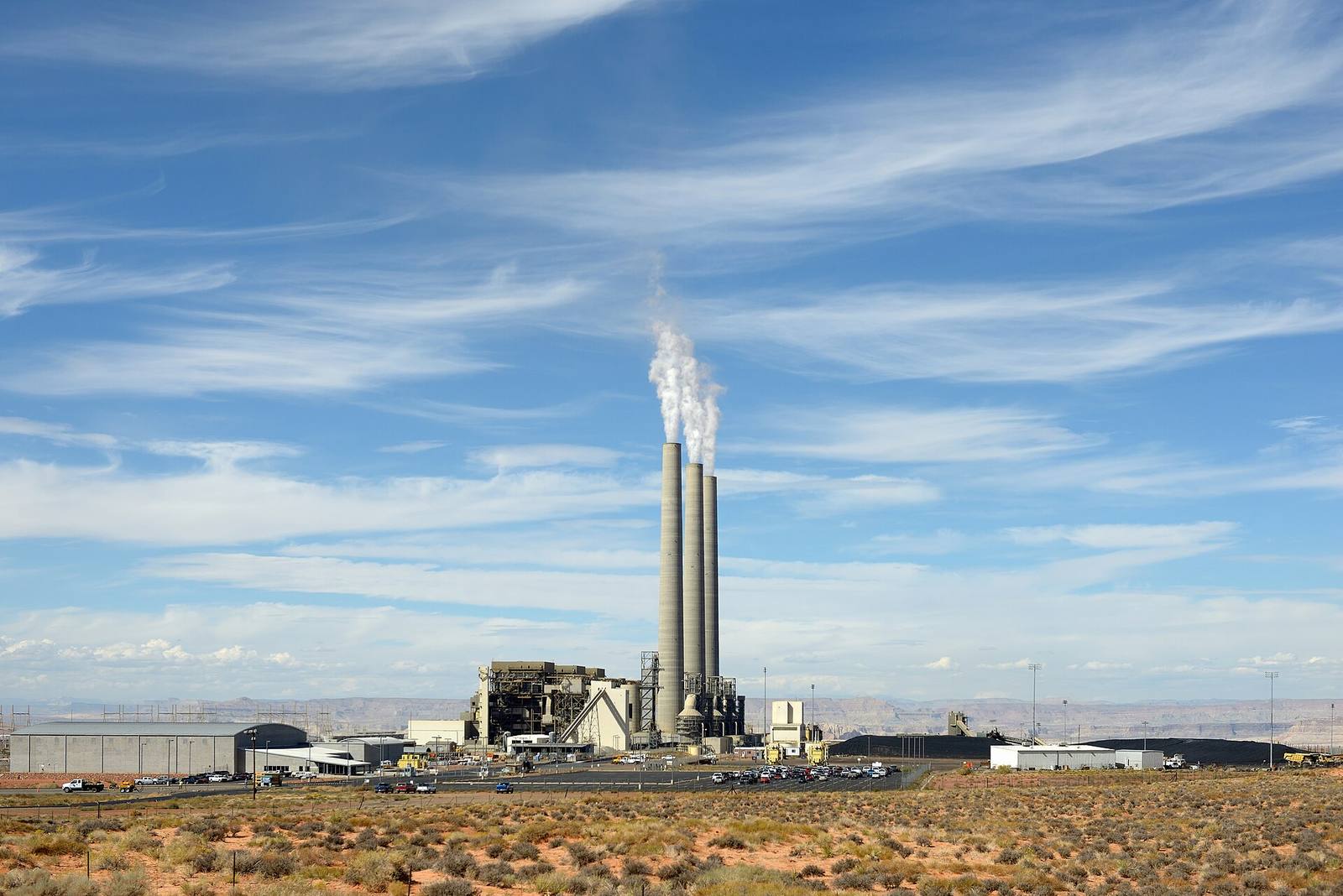
If you need to sell used transformers in Ingleside, start with the equipment specifications and removal requirements. Texas Electrical Transformer Buyers buys surplus and used units from owners, facility managers, and authorized contractors. In San Patricio County on the Gulf Coast, the Port of Corpus Christi Ingleside terminal, LNG development, and marine fabrication provide a practical setting for evaluating heavy industrial electrical equipment.
Industrial transformer equipment around Ingleside
Port-related work, LNG applications, and marine fabrication can involve substantial electrical loads, with transformers serving production equipment, auxiliary systems, and contractor power distribution. Depending on the installation, sellers may have liquid-filled substation transformers, outdoor pad-mounted units, or indoor dry-type equipment. We evaluate the actual unit rather than assuming its specifications from the type of business or the location where it operated.
A transformer released after a project, capacity change, or equipment replacement may still warrant evaluation as used equipment. Provide the kVA rating, primary and secondary voltages, manufacturer, and serial number whenever available. For larger industrial assemblies, identify whether switchgear, cooling equipment, or connected components are included. Clear scope information helps separate the transformer purchase from any broader demolition or electrical removal contract.
- Liquid-filled substation units
- Outdoor pad-mounted transformers
- Indoor dry-type equipment
- Surplus contractor power units
Condition details that support an offer
Coastal exposure makes photographs of the tank, cabinet, fittings, and base particularly useful. Show corrosion, damaged doors, leaking seals, or missing accessories rather than photographing only the nameplate. An exterior condition issue does not establish the internal condition by itself, but it affects inspection planning. Include available maintenance records and explain whether the unit was operating when it was removed from service.
For liquid-filled transformers, share any existing oil test reports and fluid identification records. Do not assume PCB status from appearance or an incomplete label. If documentation is missing, disclose that limitation before arranging removal. Offers are unit-specific and based on inspection, with electrical ratings, completeness, service history, fluid documentation, and handling requirements all contributing to the evaluation of equipment presented for sale.
- Legible nameplate photographs
- Tank and cabinet condition
- Available fluid documentation
- Known faults or missing parts
Planning pickup at an industrial coastal site
Pickup near port, LNG, or fabrication operations starts with the site's access rules and lifting conditions. Tell us whether the transformer is inside a controlled work area, on a concrete pad, or already staged for loading. Provide its estimated weight and dimensions, along with gate restrictions and available truck access. These details help determine whether forklift handling, crane work, or specialized rigging needs consideration.
Electrical isolation and disconnection must be completed by qualified personnel under the site's procedures before handling begins. For a heavy unit, the removal plan should address lifting points, overhead clearance, ground conditions, and containment where applicable. We coordinate pickup arrangements around the agreed scope; responsibility for rigging, loading, and site preparation should be established explicitly rather than left to assumptions on collection day.
- Site access and check-in rules
- Verified weight and dimensions
- Crane or forklift availability
- Isolation and loading responsibilities
How selling works in Ingleside
Send a basic equipment package with photographs, ratings, quantity, location, and your authority to sell. Explain whether removal is tied to a contractor schedule or whether the transformer can remain staged while arrangements are finalized. We use that information to assess purchasing interest and identify inspection needs. A documented description helps prevent confusion over which unit, accessories, and handling tasks are part of the transaction.
An Ingleside seller gets paid through the purchase terms agreed for the inspected equipment, not through a posted rate for every transformer. Before authorizing release, confirm the final scope, accepted offer, payment method, and payment timing with us. Coordinate those terms with the pickup plan so your plant manager or contractor knows what may leave the property and what documentation must accompany the transfer.
- Submit equipment details
- Arrange the required inspection
- Confirm purchase and payment terms
- Release under the agreed plan
Common questions
who buys used transformers in Ingleside?
Texas Electrical Transformer Buyers purchases used and surplus transformers from equipment owners and authorized sellers in Ingleside. We are buyers only. Send nameplate photographs, condition information, and removal details so we can evaluate the unit. Any offer is specific to that equipment and based on inspection, rather than a universal price.
Can I submit a transformer from an LNG or marine fabrication project?
Yes. Identify the transformer itself, its ratings, and whether it belongs to your company or another project participant. Include any project release restrictions and clarify which accessories are included. Equipment associated with LNG or fabrication work still requires an individual condition review; its previous application alone does not establish purchase value.
Will you arrange crane work for a large transformer?
Crane and rigging needs must be reviewed as part of the pickup scope. Provide weight, dimensions, lifting-point information, and photographs showing access around the unit. The parties should agree on who arranges and pays for each handling task. Do not assume crane service or electrical disconnection is automatically included in a purchase.
What should I do if oil or PCB records are unavailable?
Tell us which records are missing and provide any readable labels or previous maintenance documents. We can identify what information needs further review before proceeding. Do not drain the unit or classify its fluid based on guesswork. Fluid status, equipment condition, and applicable handling requirements must be addressed before removal is approved.
Reviewed by the Texas Electrical Transformer Buyers buying desk · Last updated November 13, 2026