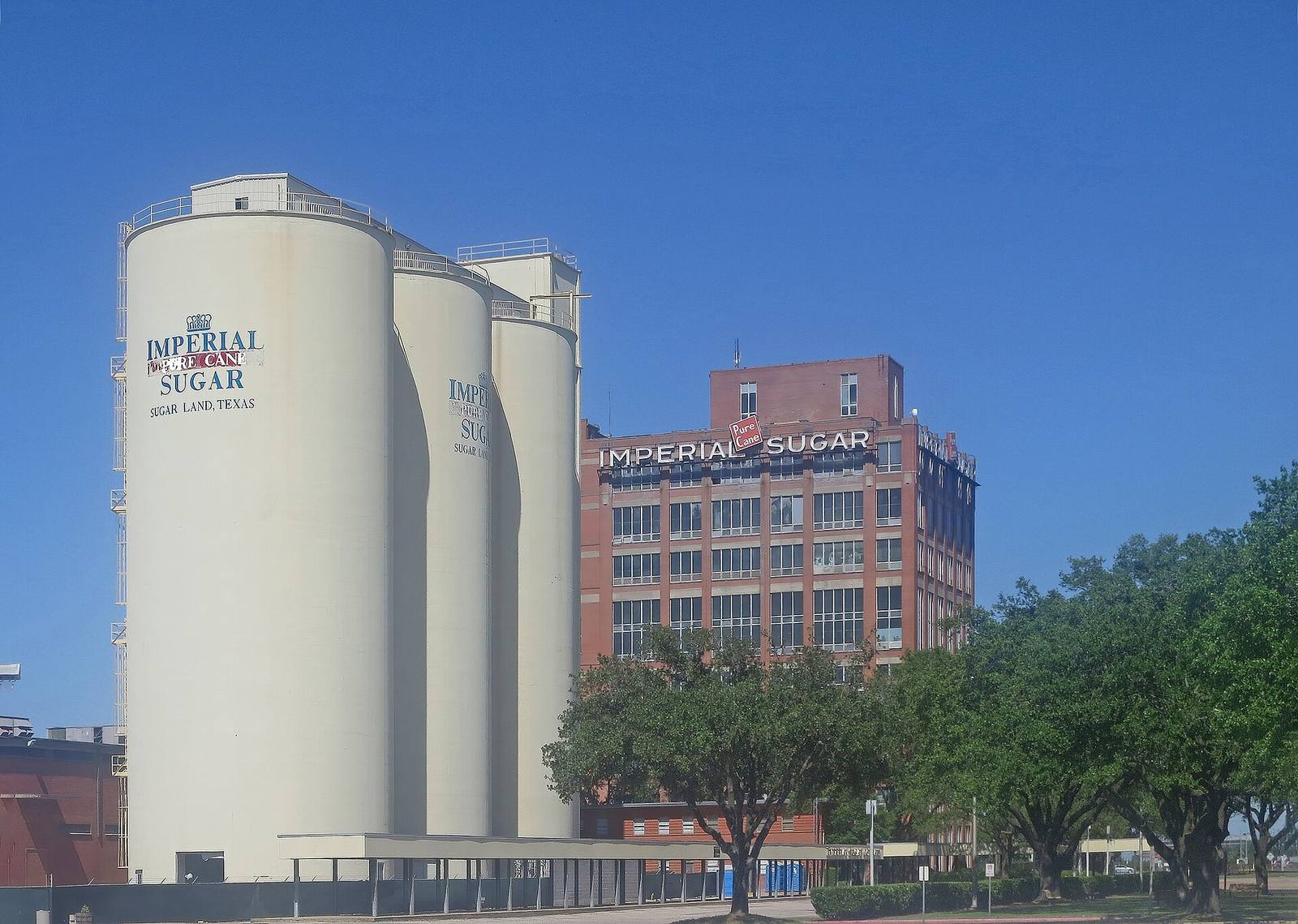
Garland’s manufacturing operations, distribution properties, and industrial parks generate transformer surplus as production equipment changes and electrical systems are replaced. Fabrication and food plants in this mature Dallas County industrial suburb can have units with very different service histories. Texas Electrical Transformer Buyers evaluates that equipment for cash purchase, giving North Texas owners a direct way to discuss specifications, condition, and practical removal requirements.
Transformers serving Garland production and distribution
Manufacturing facilities commonly use dry-type transformers for building loads and production support, along with larger liquid-filled units in their electrical distribution systems. Fabrication operations may have transformers associated with dedicated machinery or process equipment. Distribution properties can have units serving warehouse lighting, office space, and material-handling systems. The application provides useful context, but the actual nameplate determines what equipment is being offered.
At a food plant or fabrication property, service conditions deserve particular attention. Explain exposure to moisture, dust, washdown areas, or heat where relevant to the installation. Include maintenance records and disclose any known electrical faults or repairs. We need an accurate account of the transformer’s condition, not just confirmation that it once powered a working facility or was removed during a production change.
- Production-support dry-type units
- Plant distribution transformers
- Warehouse electrical equipment
- Machinery-related surplus assets
Moving equipment through an active industrial site
Industrial-park access can make collection straightforward, but a truck entrance alone does not resolve rigging. Describe the transformer’s position relative to loading doors, production aisles, overhead obstructions, and outdoor staging areas. For installed units, supply dimensions and available weight information. Those details help determine whether the removal path can accommodate suitable lifting equipment without disrupting adjacent machinery or damaging the building.
Keep electrical work separate from equipment handling in the removal plan. Qualified personnel should isolate and disconnect the transformer before anyone attempts to lift it. Depending on the layout, pickup may involve a properly rated forklift, crane, or specialized rigging team. Establish who provides those resources, how the equipment reaches the collection vehicle, and what operating restrictions apply at your Garland site before scheduling the move.
- Identify aisle restrictions
- Provide dimensions and weight
- Separate disconnection from lifting
- Confirm truck staging space
How selling works in Garland
Send a list of the transformers available, with a separate nameplate image for every unit. State whether they are still installed, disconnected on site, or stored elsewhere. If equipment is part of a larger plant cleanout, distinguish transformers you own from assets belonging to utilities, landlords, or contractors. Clear ownership and asset identification allow the purchase discussion to focus on equipment you can legally release.
Following evaluation and inspection, any purchase agreement should specify which units are included and how payment and removal will proceed. A Garland seller gets paid according to those agreed transaction terms, not a blanket promise made before the equipment is reviewed. Tell us about internal approval procedures, required release paperwork, and contractor involvement so the commercial terms match the way your organization actually disposes of assets.
- Separate each offered unit
- Verify equipment ownership
- Review inspection findings
- Agree on transaction terms
Condition details that matter after industrial service
Years of industrial use can leave issues that are not visible in a distant photograph. Note damaged enclosures, broken bushings, missing connections, fluid leaks, or evidence of overheating. For liquid-filled transformers, provide the fluid designation and available documentation concerning its condition or PCB status. Unknown fluid history needs to be disclosed; do not assume age or appearance establishes the contents or acceptable handling procedures.
Purchase value reflects the transformer’s specifications, completeness, condition, and applicable demand, as well as collection effort. Copper or aluminum winding information is useful when documented, but it is only one part of the assessment. Difficult access or specialized handling can change transaction feasibility. Our offers are unit-specific and based on inspection, so neither the original equipment cost nor a general scrap estimate establishes our purchase terms.
- Known damage and repairs
- Fluid and testing documentation
- Verified winding information
- Complete removal requirements
Common questions
Who can help when I ask who buys used transformers in Garland?
Texas Electrical Transformer Buyers considers transformers from manufacturers, distribution facilities, and other equipment owners. Reach us at 614-715-3047 or saleselectricalbuyers@gmail.com with unit specifications and photographs. Describe operating condition and site access as well. We evaluate each potential purchase individually and do not promise a price before reviewing the equipment and inspection requirements.
Will you consider equipment from a fabrication or food plant?
Yes, equipment from either setting can be submitted for evaluation. Identify the transformer’s application and disclose relevant exposure to dust, moisture, heat, or other operating conditions. Maintenance records and clear condition photographs help establish what is available. The plant category alone does not determine acceptance; specifications, inspection findings, and removal feasibility govern the purchase decision.
What documentation helps with an older oil-filled transformer?
Provide the nameplate, fluid identification, maintenance history, and any available fluid analysis or PCB documentation. Report leaks and explain whether the unit remains installed or has been stored. If records are missing, say so directly. Additional assessment may be necessary before purchase or handling can be agreed, and appearance is not a substitute for reliable fluid information.
Should our maintenance crew load the transformer?
Only personnel with suitable training, equipment, and site authorization should undertake handling. A facility forklift may not have the capacity or access needed for a particular transformer. Review the weight, lifting provisions, and travel route first. Loading responsibilities must be agreed in advance, and electrical isolation must be completed independently of the lifting operation.
Reviewed by the Texas Electrical Transformer Buyers buying desk · Last updated November 13, 2026