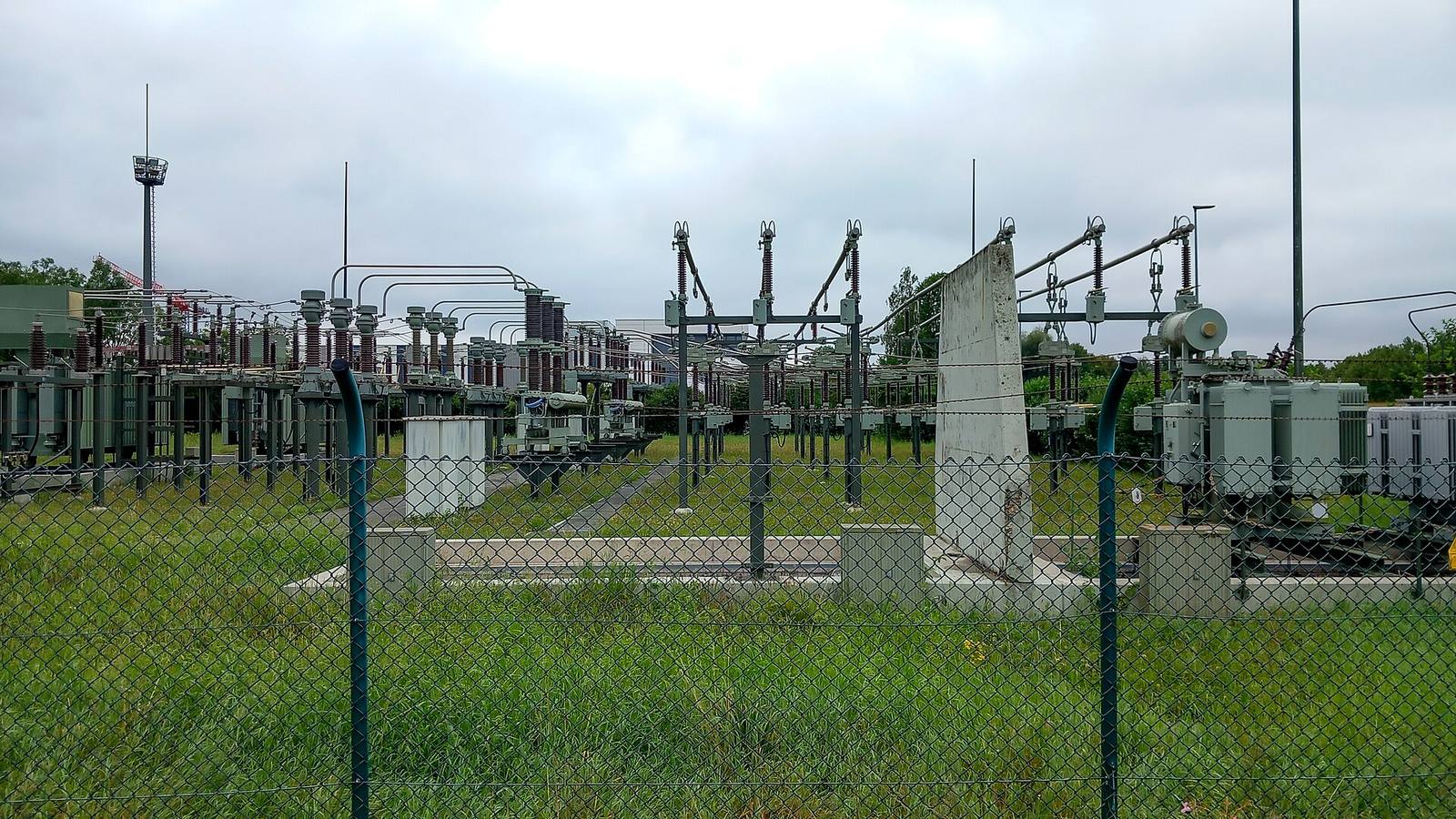
College Station’s Texas A&M University setting, research activity, and healthcare uses make building and campus electrical distribution important considerations when equipment becomes surplus. Selling a transformer requires more than identifying its capacity: ownership, operating status, and removal access all matter. Texas Electrical Transformer Buyers purchases used and surplus units from authorized sellers in this Brazos County city in Central Texas, evaluating the equipment and transaction scope before establishing an offer.
Campus distribution and specialized building loads
Large campus distribution systems may include outdoor liquid-filled transformers, substation equipment, and indoor dry-type units serving individual buildings. Research and healthcare properties can also use transformers dedicated to specific equipment or distribution needs. Those general patterns help organize a submission, but they do not identify any particular College Station installation. Tell us the actual configuration, ratings, and former service rather than relying on a broad campus or laboratory description.
When a building system is upgraded, a retired transformer may remain usable, need repair, or have an uncertain operating history. State why yours was removed and whether it was working at the time. Include details about accessories, enclosure condition, and any alterations made during service. For institutional assets, verify that the person offering the equipment has the necessary disposal authority before inspection and purchase arrangements move forward.
- Outdoor distribution transformers
- Indoor building-load units
- Specialized equipment transformers
- Institutional disposal authorization
Coordinating removal near occupied facilities
College Station pickup planning should account for the actual property environment, particularly where research, healthcare, or campus operations remain active. Identify loading access, approved work areas, pedestrian routes, and any restrictions on vehicle entry. A transformer beside a building may still require a carefully defined lifting area. Share route photographs and dimensions so the proposed handling plan reflects site conditions instead of assuming direct truck access to the equipment.
Before movement, qualified electrical personnel need to isolate the transformer and confirm that connected systems are safe. Rigging planning must address equipment weight, lifting provisions, overhead obstacles, and the load-bearing surface. An indoor route may require checks at doors, turns, and the final loading point. The parties should agree on disconnection, lifting, transportation, and site coordination responsibilities before choosing a removal date or bringing equipment onto the property.
- Approved vehicle entry
- Occupied-area work boundaries
- Door and route clearances
- Documented handling responsibilities
Technical evidence for a purchase decision
Send close, readable nameplate photographs and broader images that show the transformer’s condition and installation. Useful information includes kVA, primary and secondary voltage, phase, manufacturer details, and identifiable connection arrangements. Available test reports or maintenance records can help explain its service history. Obtain photographs only from safe locations; an equipment review does not justify opening energized compartments or disturbing electrical connections to reveal a hidden identification plate.
Describe any leakage, moisture exposure, damaged components, or missing parts, and identify whether the transformer remains installed or is in storage. For liquid-filled equipment, include available fluid documentation without guessing at its contents. Inspection determines the offer for that particular unit, with removal requirements also part of the assessment. Research or healthcare use does not itself establish condition, and equipment age alone does not provide a complete basis for evaluation.
- Readable electrical ratings
- Service and testing records
- Known condition issues
- Installation or storage status
How selling works in College Station
Begin with an equipment summary and the name of the party authorized to approve its sale. Identify the College Station site, inspection access, and any disposal procedures that apply to the asset. We review those details and determine what further evaluation is needed. If the transformer is tied to a renovation, separate the equipment purchase from the electrical shutdown and construction activities that the facility or its contractors must manage.
Before release, establish the purchase amount and agreed payment method, timing, and conditions. A College Station seller should know who accepts payment, who authorizes asset removal, and what documentation records the transfer. Payment follows those agreed terms, not an assumed deadline. Confirm the final equipment list and removal scope after inspection, particularly when several departments or contractors are involved in approving access, disconnection, and loading.
- Confirm approval authority
- Explain disposal procedures
- Agree on payment conditions
- Coordinate final asset transfer
Common questions
who buys used transformers in College Station?
Texas Electrical Transformer Buyers evaluates and buys surplus and used transformers from authorized College Station sellers. Provide nameplate information, photographs, condition details, and inspection access requirements. Each purchase offer is unit-specific and based on inspection; we buy equipment rather than supply replacement transformers or maintain sales inventory.
Can a campus department sell its surplus transformer directly?
That depends on the institution’s ownership and disposal procedures. The department should confirm who has authority to approve a sale and release the asset. Include those requirements in the initial discussion so inspection, payment instructions, and removal planning are coordinated with the appropriate representative rather than an unauthorized contact.
How do you evaluate transformers used for research equipment?
We review the actual ratings, connection configuration, condition, and available operating records. Explain the former application, but do not assume specialized use establishes value or serviceability. If the transformer has an unusual voltage arrangement or missing documentation, additional technical clarification may be needed before an inspection-based offer can be determined.
Can removal be coordinated with an occupied healthcare building?
The site should identify its operational restrictions, shutdown requirements, and approved work boundaries before scheduling. Qualified personnel must handle electrical isolation, and the lifting plan should separate removal activity from occupied routes. Pickup responsibilities and timing are agreed for the specific site; no universal removal schedule applies.
Reviewed by the Texas Electrical Transformer Buyers buying desk · Last updated November 13, 2026